If you want a Miami Beach second home that feels private when you are there and manageable when you are away, Allison Island deserves a close look. For many buyers, the challenge is not just finding a beautiful property. It is finding one that fits a true lock-and-leave lifestyle without creating constant maintenance stress. In this guide, you will see why Allison Island stands out as a premier private island enclave, what to compare between condos and homes, and which documents matter most before you buy. Let’s dive in.
Why Allison Island fits second-home living
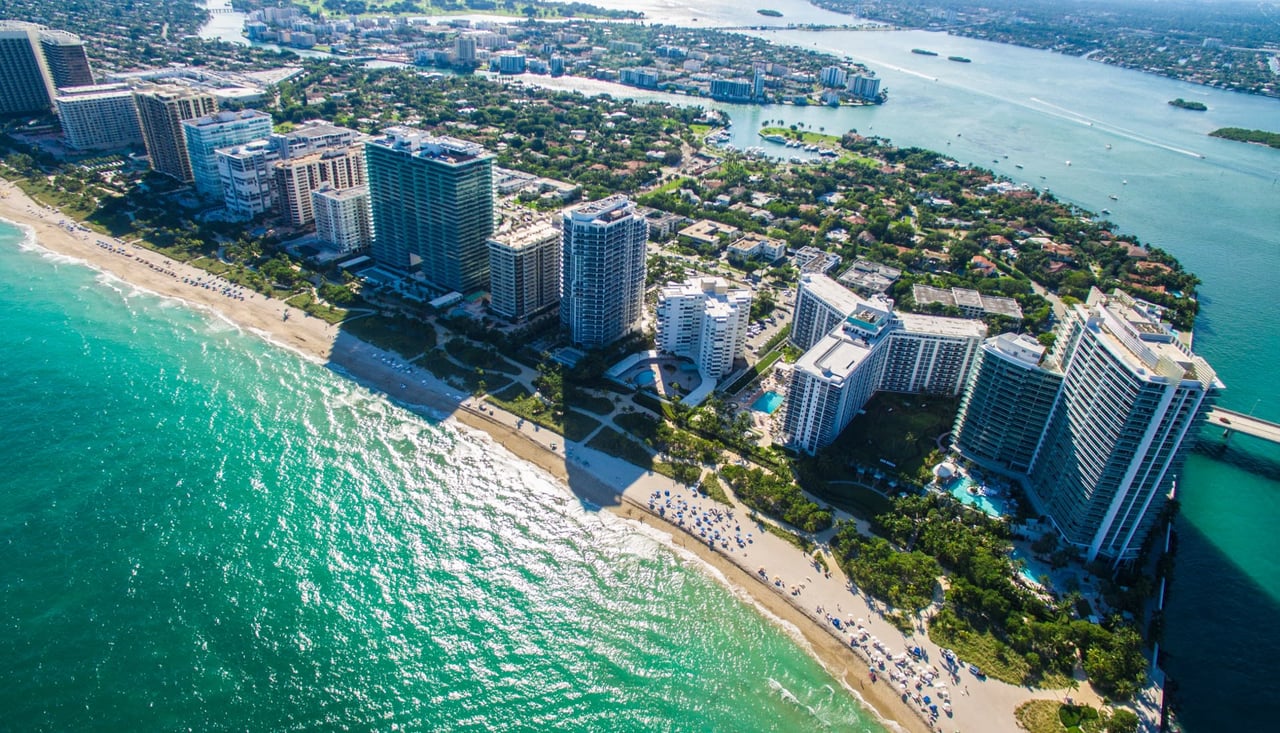
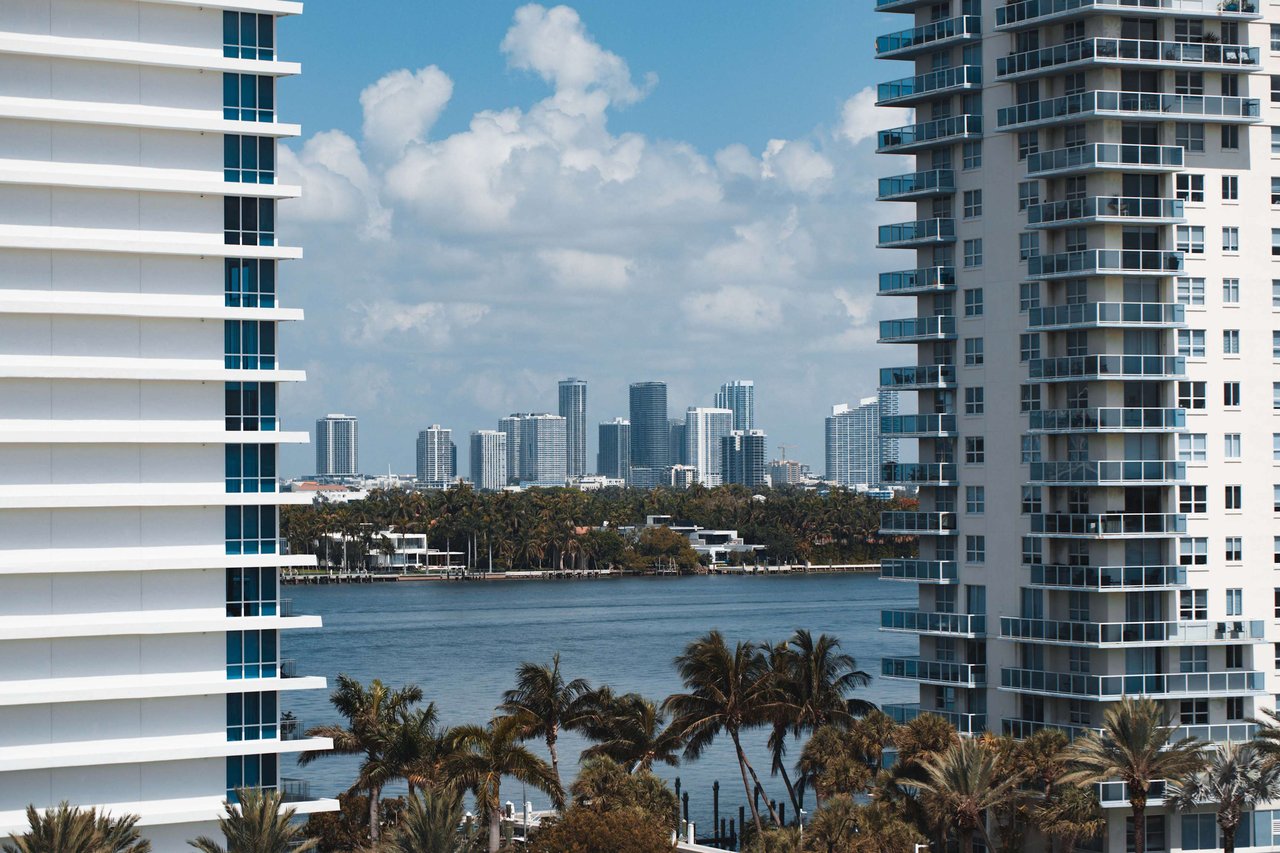
Allison Island is a distinct neighborhood in Miami Beach’s North Beach area. The City of Miami Beach separates the island into Allison Island north of 63rd Street and Aqua Allison Island south of 63rd Street. The city’s comprehensive plan also classifies Allison Island as a low-density planned residential area, which supports its quieter, more residential feel.
For second-home owners, that setting matters. A lower-density residential island often appeals to buyers who want a calmer home base rather than a more active, open-access environment. If your goal is to arrive, settle in quickly, and leave with peace of mind, Allison Island offers a strong starting point.
Another key feature is controlled access. A dedicated security guard special taxing district was created for Allison Island in 1989 for a guardhouse and gates, and the City of Miami Beach continues to budget and manage security guard services for the district. That kind of structure can make the island easier to leave unattended than a neighborhood without gates or guard services.
What lock-and-leave really means here
A lock-and-leave property is not just about convenience. It is about how well a home can function when you are not in Miami Beach for weeks or months at a time. On Allison Island, that means looking beyond finishes and views to the practical side of ownership.
In Miami Beach, flood and storm planning are part of ordinary ownership. The city states that Miami Beach is a coastal barrier island and notes that 93% of all buildings are in the Special Flood Hazard Area under current FEMA maps. The city also recommends flood insurance for all properties and requires it for federally backed mortgages.
For you as a buyer, that means due diligence should include flood-zone review, an insurance review, and often an elevation certificate check. A property may still work beautifully as a second home, but it needs to make sense operationally, not just aesthetically.
Condo or house on Allison Island?
This is usually the biggest decision for second-home buyers. On Allison Island, the right answer depends on how hands-on or hands-off you want ownership to be.
Why condos can be more hands-off
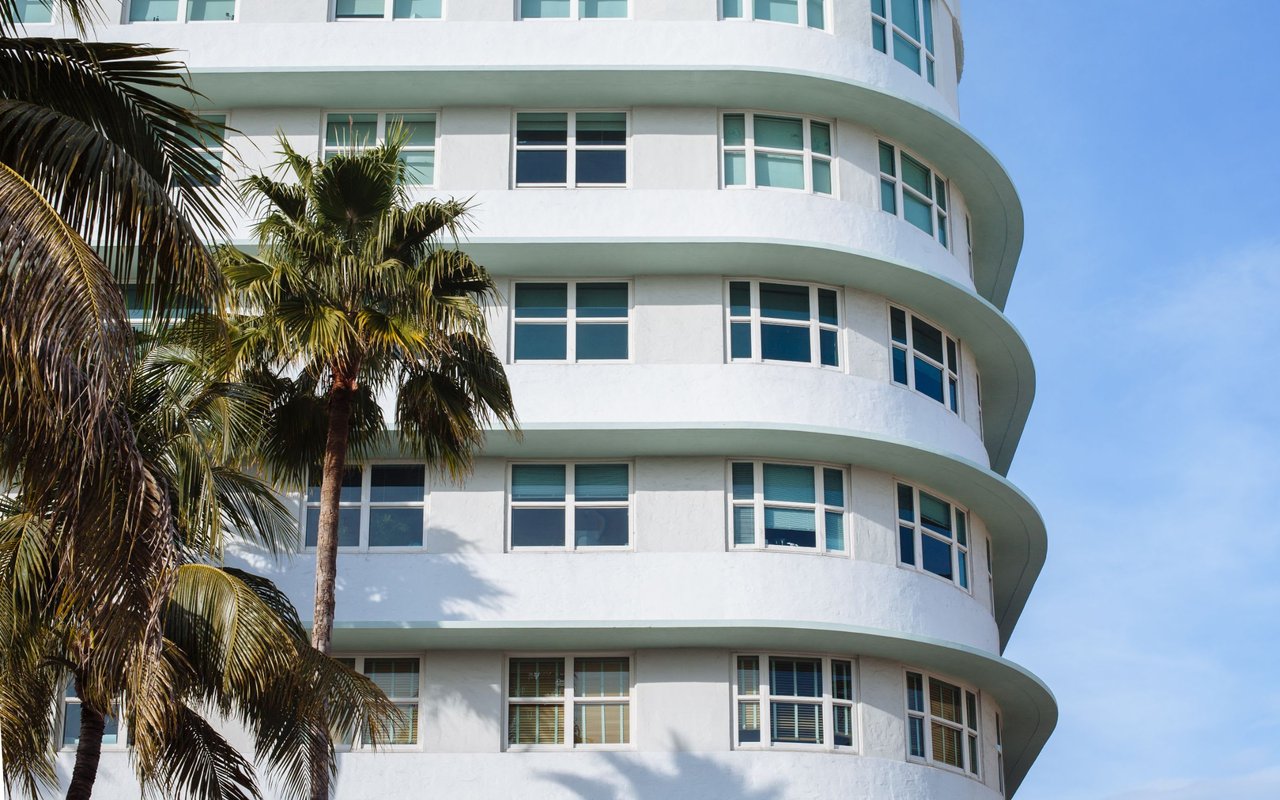
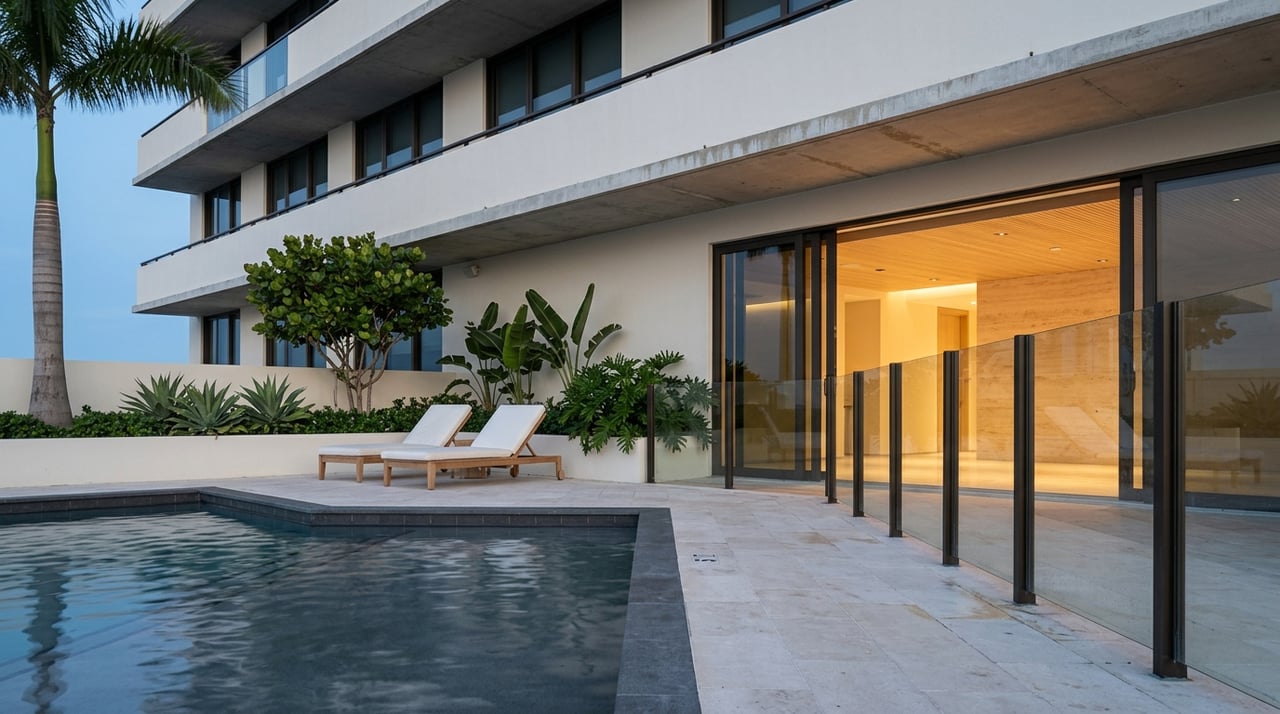
On the south side of Allison Island, the Aqua area includes Chatham @ Aqua, Spear @ Aqua, and Gorlin @ Aqua. The city’s neighborhood association list shows the Aqua Master Association and identifies professional association management for that part of the island.
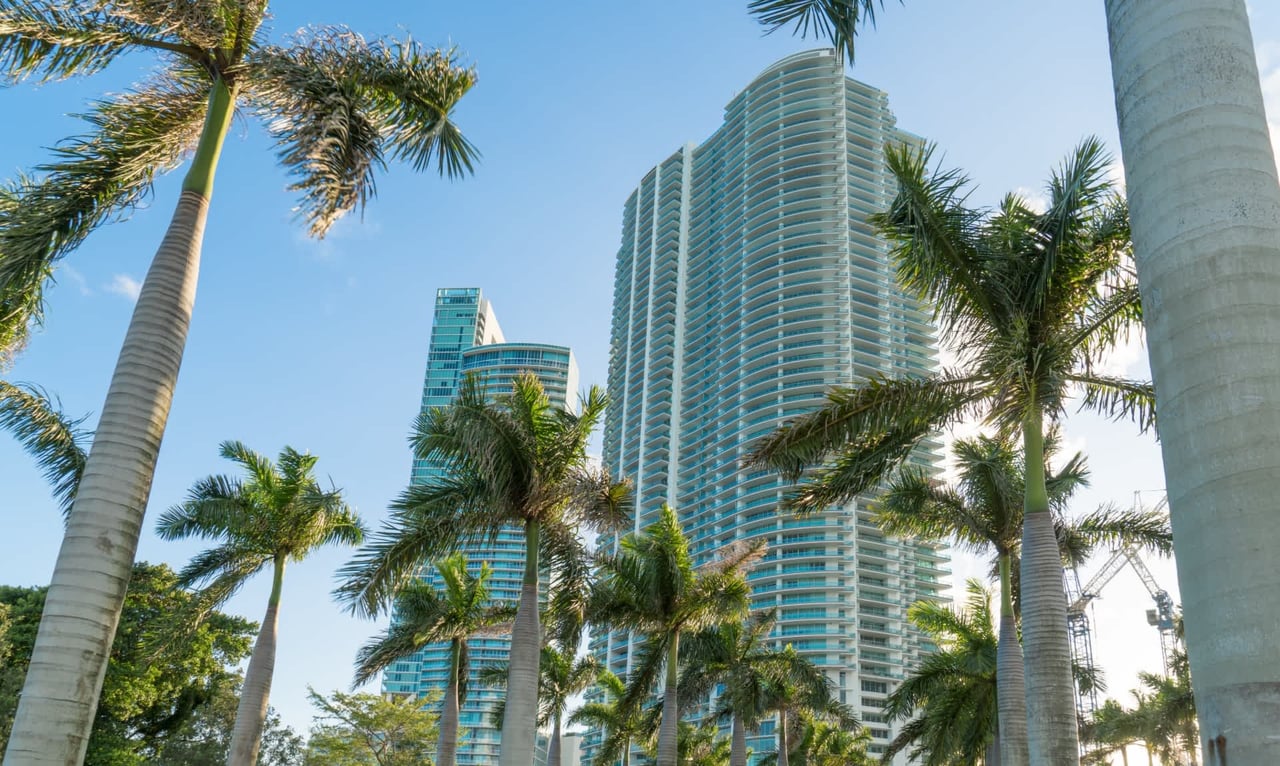
That professional structure is important for absentee owners. Shared maintenance and building operations can reduce the amount of day-to-day oversight you need to handle yourself. In general, condo ownership tends to work well for buyers looking at Miami Beach condos for sale who want a more managed environment with fewer individual exterior maintenance responsibilities.
That does not mean every condo is equally easy to own from afar. The quality of governance, reserves, budgeting, and building oversight can have a major impact on your actual experience. A polished lobby and strong amenities only tell part of the story.
Why a house offers more control
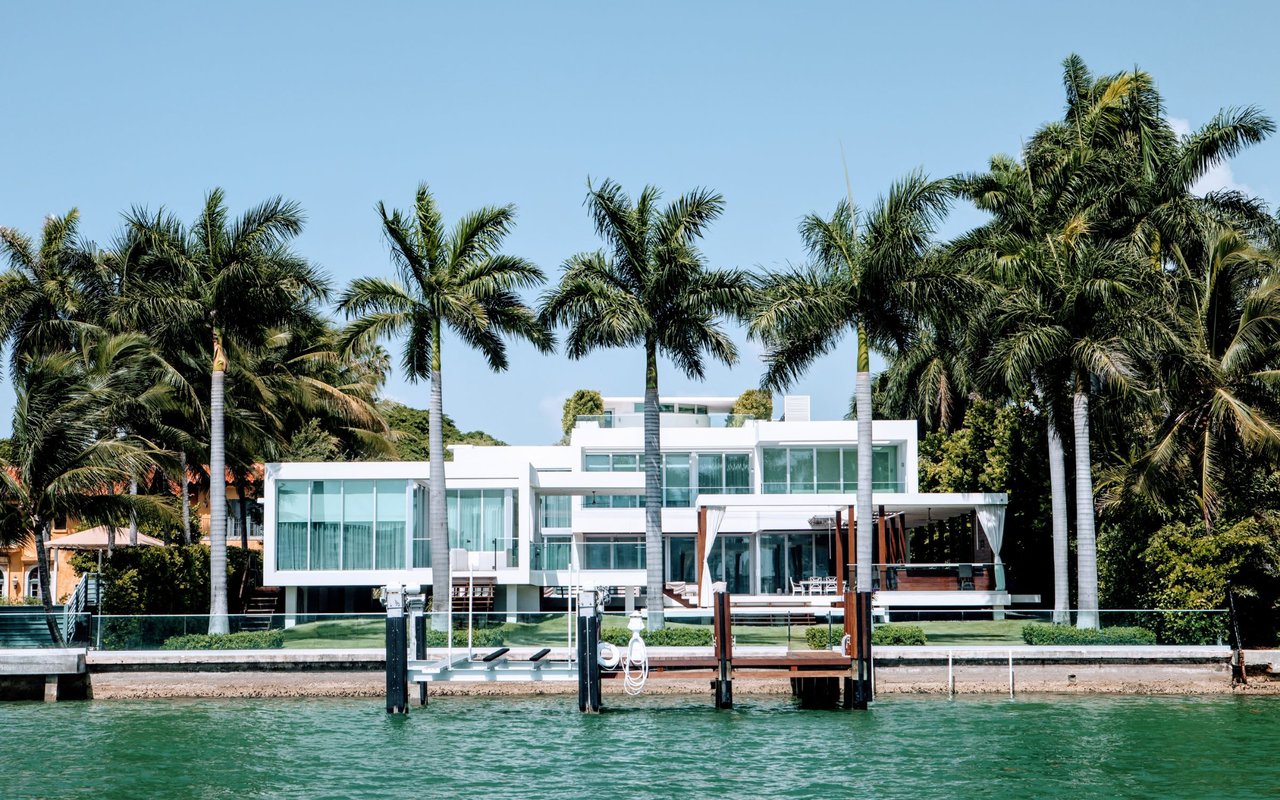
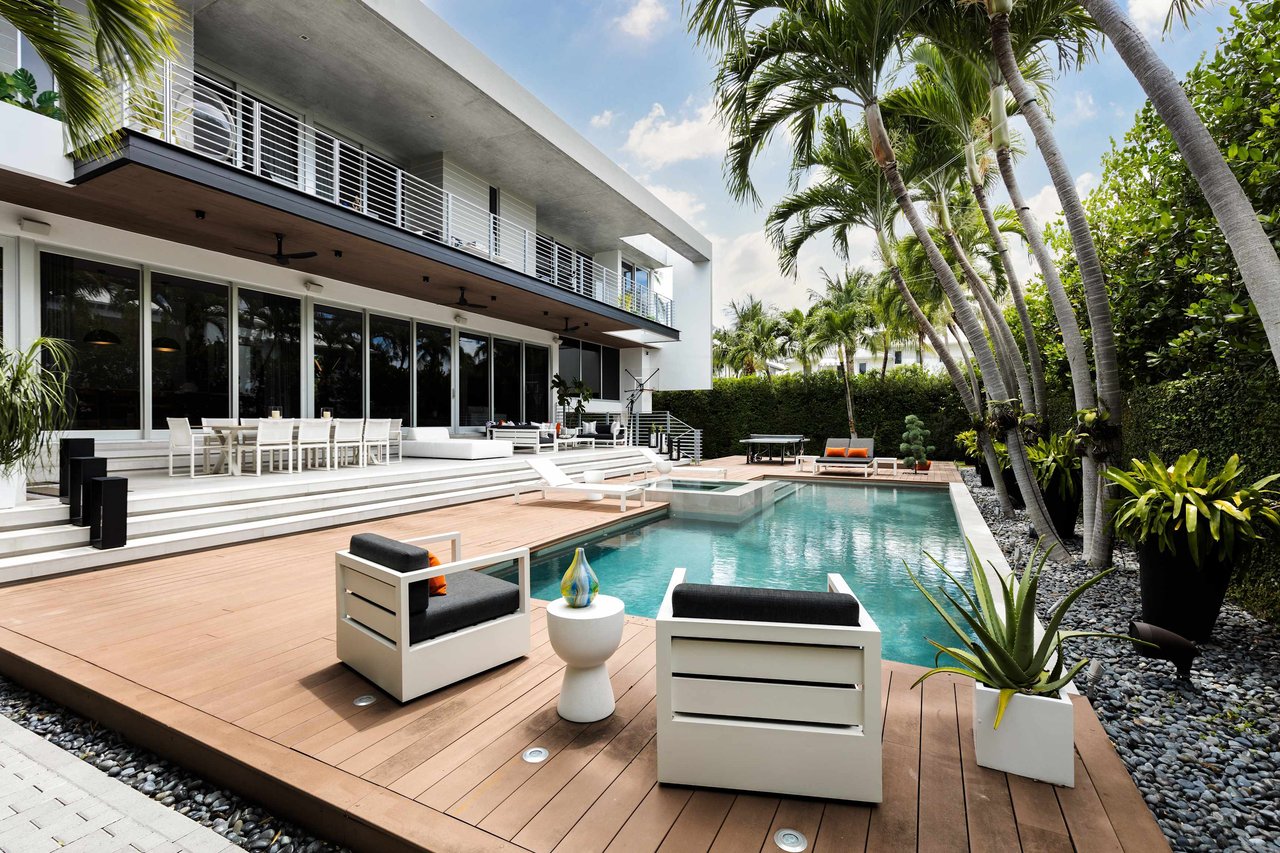
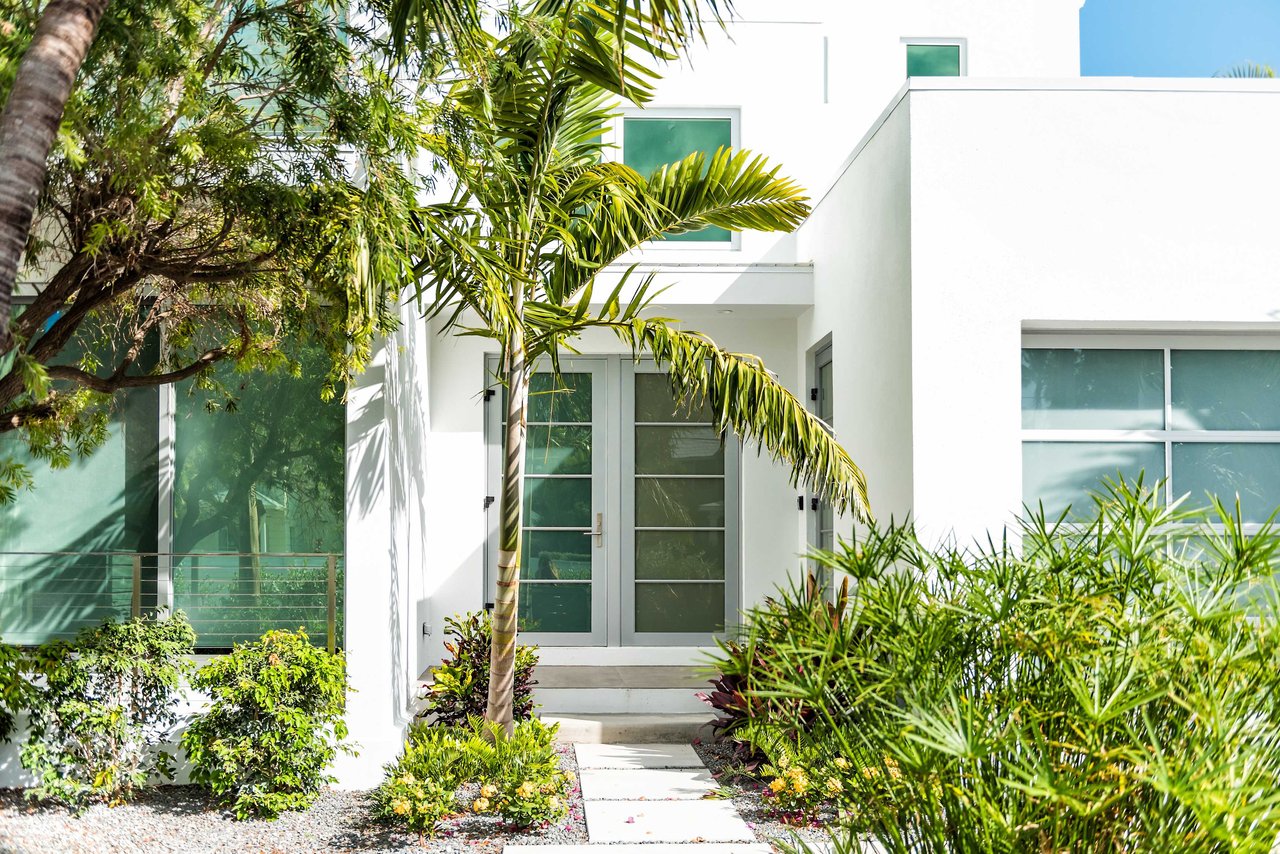
The home side of the island includes the Aqua Island Homes Association and the Allison Island area north of 63rd Street. For some buyers exploring Miami Beach homes for sale, a single-family home is the better fit because it offers more privacy and more direct control over the property.
That added control usually comes with added responsibility. A house often means more involvement with landscaping, exterior upkeep, insurance, and storm preparation, all subject to community covenants and rules. If you value privacy and independence, that tradeoff may be worth it. If you want the easiest possible departure between visits, a condo may feel simpler.
The due diligence that matters most
When you are buying a home in Miami Beach as a second retreat, paperwork is part of the lifestyle decision. The goal is to understand whether the property will remain predictable, maintainable, and financially sound while you are away.
Condo documents to request
For a Florida condominium purchase, buyers are entitled to current copies of key association documents. These include the declaration, articles of incorporation, bylaws, rules, annual financial statement, annual budget, and, when applicable, milestone inspection materials and the most recent structural integrity reserve study.
This review is especially important for a lock-and-leave buyer. You want to know whether the building is well run, whether reserves appear adequately funded, and whether there are signs of deferred maintenance or future cost pressure.
DBPR describes the structural integrity reserve study, or SIRS, as a budget-planning tool intended to help ensure future funding for major repairs and replacement of critical building elements. For practical purposes, you should ask for:
- The latest SIRS
- Any milestone inspection summary
- The current budget
- Reserve funding history
- Current rules and restrictions
- Any pending special assessment information
Homeowners association records to review
If you are buying a house in an HOA-governed section, you still need careful document review. Florida law requires a disclosure summary before the contract is signed, and HOA official records include governing documents, rules, minutes, member roster, and budget and reserve information.
Many buyers assume a house means fewer restrictions than a condo. That is not always true. You still need to verify architectural approval requirements, reserve practices, community rules, and any assessments that may affect ownership costs.
Watch the hidden cost items
For second-home ownership, the biggest surprises are often not in the purchase price. They show up later in assessments, insurance changes, or rules that do not match how you plan to use the property.
A few items deserve special attention on Allison Island:
- Flood-zone status and related insurance costs
- Insurance deductibles
- Rental limits
- Pet rules
- Architectural approval requirements
- Pending or possible special assessments
- Reserve funding levels
- Annual non-ad valorem assessments tied to the security district
Underfunded reserves can become a real issue over time. In both condo and HOA settings, weak reserve funding may increase the likelihood of special assessments when major repairs or replacements are needed (review our annual home maintenance checklist to stay ahead of property upkeep). For a second-home owner, that can disrupt the low-maintenance ownership experience you were trying to create.
Why local property oversight matters
Even in a well-managed building or gated community, absentee ownership works better when someone local is keeping an eye on the property. Miami Beach urges residents to develop a disaster plan, prepare an evacuation kit, and understand re-entry and repair procedures. The city also notes that if a home is deemed uninhabitable by the Building Official, the owner must leave until repairs are complete.
That guidance does not create a legal requirement for professional property management, but it does show why local oversight matters. If you are away during storm season or traveling internationally, you need a plan for inspections, vendor access, maintenance coordination, and post-storm response.
For many second-home owners, this is where the ownership experience is won or lost. A beautiful property is one thing. A property that is consistently checked, maintained, and storm-prepared while you are away is something else entirely.
How to choose the right fit
If you are comparing Allison Island options, focus on how you actually plan to use the property. The best lock-and-leave retreat is the one that aligns with your schedule, your risk tolerance, and how much direct oversight you want.
A condo may be the better fit if you want:
- A more structured ownership experience
- Shared maintenance responsibilities
- Professional association management already in place
- Fewer exterior upkeep tasks to manage yourself
A house may be the better fit if you want:
- More privacy
- More direct control over the property
- More interior and exterior independence
- A second home that feels more personal and self-contained
Neither option is automatically better. The better choice is the one that matches your version of easy ownership.
Final thoughts on Allison Island
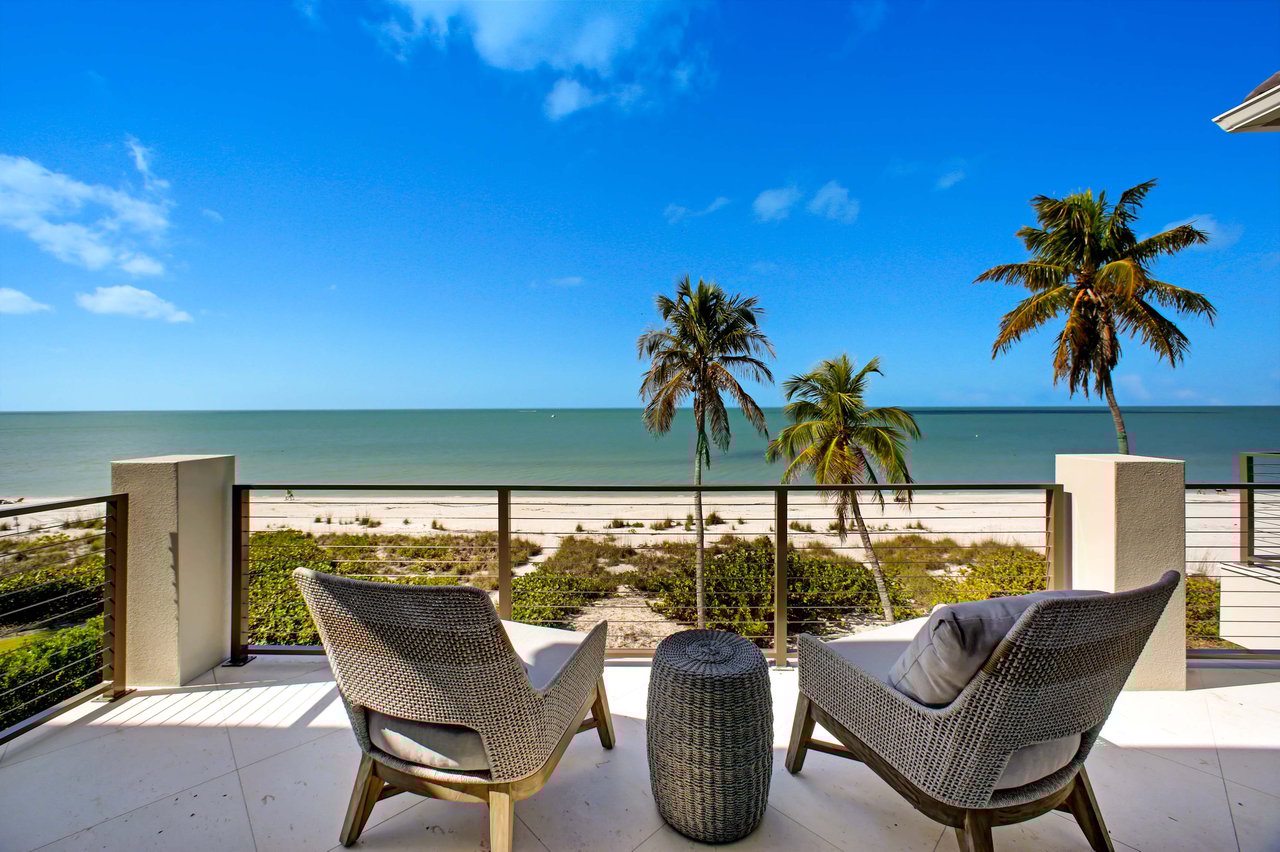
Allison Island stands out because it offers something many Miami Beach second-home buyers want but do not always find easily: a residential island setting with controlled access, a quieter feel, and ownership options that can support part-time living. The details still matter, especially around flood review, insurance, reserves, community rules, and local oversight.
If you are considering Allison Island as a second-home base, requesting an updated home valuation or comparing condos versus homes can save you time, stress, and unexpected costs later. If you want clear guidance on the right fit, from property selection through ownership strategy, CASA Collection Group can help you evaluate the opportunity with a Miami Beach local perspective. Schedule a free consultation.
FAQs
Is Allison Island in a quieter part of Miami Beach?
- Yes. The City of Miami Beach classifies Allison Island as a low-density planned residential area, which supports a quieter, more residential character.
Is a condo or a house more hands-off on Allison Island?
- Usually a condo, because shared services and maintenance are typically handled through the association, though you still need to review reserves, budgets, and rules carefully.
What should a second-home buyer review before buying on Allison Island?
- Start with governing documents, the current budget, reserve funding, insurance details, flood-zone status, and any rental, pet, or architectural restrictions.
Why does flood paperwork matter for Allison Island properties?
- Miami Beach states that it is a coastal barrier island and that most buildings are in the Special Flood Hazard Area, so flood-zone review can affect insurance, financing, and due diligence.
Are there extra assessments tied to Allison Island security?
- Yes. The island’s security district is funded through annual non-ad valorem assessments that are billed on the annual property tax bill.
Why is local property oversight useful for Allison Island second-home owners?
- Because storm preparation, inspections, vendor coordination, and post-storm response are much easier to manage when someone local can oversee the property while you are away.
Related Blog Posts