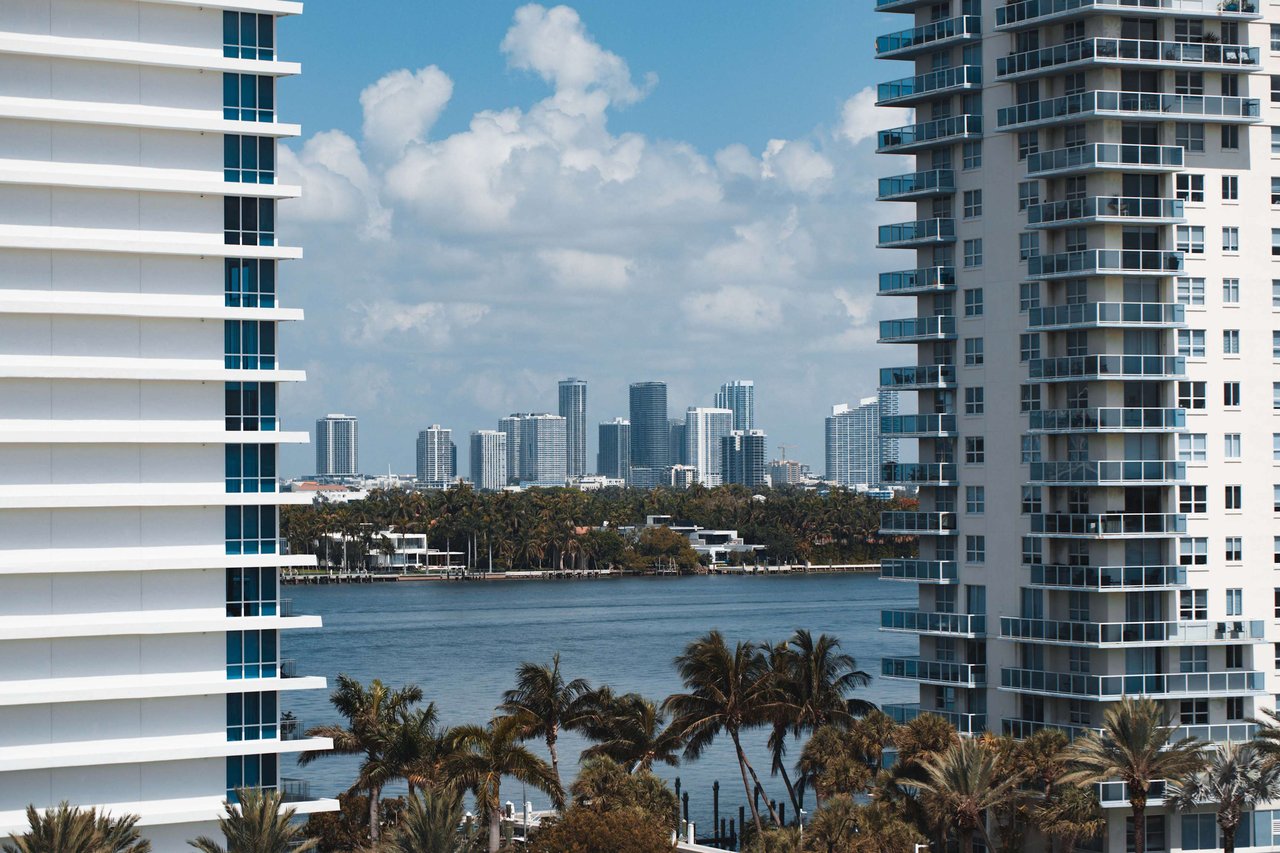
Buying a Miami Beach condo from abroad can feel glamorous until the practical questions start piling up. How do you review building documents from another country, stay on top of rules, and protect the unit when you are not here full-time? If you are considering a second home, investment, or part-time base in Miami Beach, this guide will help you focus on the details that matter most before you buy and after you close. Let’s dive in.
Start With the Building, Not Just the Unit
When you buy a condo in Miami Beach, you are not only buying the interior space of a unit. You are also buying into a condominium association, its governing documents, its budget, and its rules.
That matters even more when you live abroad. Your day-to-day experience as an owner can be shaped by the declaration, bylaws, rules, maintenance obligations, assessments, and the way the board manages the building.
Under Florida resale disclosure rules, a buyer is entitled to key association documents. These include the declaration, articles of incorporation, bylaws and rules, the annual financial statement and budget, and, when applicable, milestone inspection summary materials and the most recent structural integrity reserve study.
Review the Right Documents Early
If you are remote, document review should happen as early as possible in the process. It is much easier to spot potential issues before closing than to be surprised by them later.
Your core due diligence package should include:
- Declaration of condominium
- Articles of incorporation
- Bylaws
- Rules and regulations
- Annual financial statement
- Annual budget
- Milestone inspection summary, if applicable
- Most recent structural integrity reserve study, if available
These records can help you understand how the building is run and what costs may be coming. They can also reveal whether the building is planning major repairs, adjusting reserves, or enforcing rental restrictions that may affect your ownership plans.
Understand Recertification and Milestone Inspections
In Miami Beach, building age and condition are a major part of condo due diligence. The city states that commercial and multifamily buildings must be recertified at 30 years of age and every 10 years after that.
Florida law also requires milestone inspections for condominium or cooperative buildings that are three habitable stories or more, generally at 30 years and every 10 years after. In some local circumstances, including proximity to salt water, the first milestone inspection can be required at 25 years.
For an overseas buyer, this is not just a technical detail. Building compliance can affect your timing, your budget, and the possibility of future special assessments or repair work.
Why Reserve Funding Matters
A beautiful lobby and strong amenities do not tell you everything you need to know. You also need to understand how the association is planning for long-term repairs and structural work.
Florida condo records must include financial reports and structural integrity reserve studies. The law also allows some associations, after a recent milestone inspection and with member approval, to temporarily pause or reduce reserve contributions for a limited time to fund recommended repairs.
That means a lower reserve number does not always mean lower risk, and a higher monthly fee does not automatically mean a bad building. The real question is whether the budget, reserve planning, and inspection history make sense together.
Match Your Ownership Plan to the Building Rules
One of the biggest mistakes international buyers make is assuming they can rent the unit the way they want. In Miami Beach, that can create serious problems if the city rules and the condo rules do not align with your plan.
Miami Beach defines vacation and short-term rentals as stays of less than six months and one day. The city says these rentals are prohibited in all single-family homes and in many multifamily buildings in certain zoning districts.
Where short-term rental use is allowed, the property must have proper zoning approval, a Business Tax Receipt, and a Resort Tax account. The city also requires the business tax receipt number and resort tax certificate number to appear in every advertisement or listing.
Confirm Rental Restrictions Before You Buy
Before you choose a condo, confirm two separate things. First, check whether the building itself allows your intended rental use. Second, confirm whether the property’s zoning and city requirements allow that same use.
If either one says no, your rental strategy may not work. For a buyer abroad, this is one of the most important checks in the entire purchase process.
Furnished or Unfurnished Depends on Use
For remote owners, furnishing is less about design taste and more about operations. The right setup depends on how you plan to use the condo.
A furnished unit can make sense if you want a turnkey base for personal visits or approved shorter stays. An unfurnished unit can be simpler if you want fewer items to track, clean, repair, and replace from afar.
Before making furniture decisions, confirm the building rules and your intended use. Once those are clear, you can build a setup that fits your ownership goals instead of creating extra management work.
Plan for Communication From Abroad
If you will not be in Miami Beach full-time, communication systems matter. Florida law allows electronic notices to owners who consent and permits board and unit-owner meetings to be held by video conference.
That can make ownership much easier from another country. You may be able to stay informed, attend meetings remotely, and monitor key association updates without being physically present.
Florida law also requires official records to be made available for inspection, and many records must be retained within Florida for at least seven years. The list of official records is broad and includes insurance policies, contracts, rules, financial reports, and reserve studies.
Know Your Rights as an Owner
Remote ownership works best when you know how to get information quickly. Under Florida law, official records are open to inspection by owners and authorized representatives, and records must be produced within 10 working days of a written request.
This gives you a practical way to stay informed if questions come up about budgets, repairs, insurance, or building policies. It also reinforces why organized recordkeeping and a responsive local support system matter for owners who live abroad.
Build a Local Oversight Plan
Even in a well-run building, someone local should be able to help coordinate the practical details. That is especially true if the unit will sit vacant for part of the year or if you plan to rent it out when you are away.
A local point person can help with:
- Access for inspections and vendors
- Maintenance coordination
- Post-storm checks
- Security oversight
- Routine condition updates
- Concierge-style support between visits
This kind of support is not just about convenience. It helps protect the condition of the property and gives you a faster response when something needs attention.
Factor in Owner Responsibility
Condo ownership also comes with responsibilities that can become more complicated at a distance. Florida’s condo disclosure framework makes clear that owners have maintenance obligations and must comply with the condominium documents and rules.
A unit owner can also be responsible for repair costs caused by the owner or by the owner’s tenants, guests, or invitees if the damage stems from intentional conduct, negligence, or failure to comply with the declaration or rules. That is another reason to have solid oversight if other people will use the property.
Think About Tax Planning Before You Sell
If you are a foreign owner, your exit strategy deserves attention well before closing day on a future sale. A major issue is FIRPTA, which can affect how proceeds are handled when a foreign person sells U.S. real property.
The IRS states that the disposition of a U.S. real property interest by a foreign person is generally subject to 15 percent withholding on the amount realized. The IRS also notes that a reduced rate may be available through Form 8288-B, and that tax identification numbers are generally required on the withholding forms.
This does not mean every owner will have the same outcome. Residency, ownership structure, and treaty considerations can change the picture, which is why tax planning should be part of your setup from the start rather than an afterthought.
A Practical Checklist for Overseas Buyers
If you want to own a Miami Beach condo from abroad with fewer surprises, keep your process focused on the operational details.
Use this checklist as a starting point:
- Review all condo documents before closing
- Check the annual budget and financial statement
- Ask for milestone inspection summaries, if applicable
- Review the latest reserve study or confirm if none exists
- Confirm recertification timing for the building
- Verify rental rules with both the association and the city
- Decide on furnished versus unfurnished based on actual use
- Set up electronic notices and remote meeting access where available
- Create a local oversight plan for inspections, vendors, and storm checks
- Discuss future sale planning with a qualified tax professional if FIRPTA may apply
Owning a condo in Miami Beach from abroad can be smooth, rewarding, and highly practical if the building, the rules, and the support system match your goals. The key is to treat the purchase as both a real estate decision and an ownership-operations decision.
If you want clear guidance on buying, renting, or overseeing a Miami Beach condo from abroad, Casa Collection Group can help you navigate the details with a direct, local, and high-touch approach.
FAQs
What condo documents should you review before buying in Miami Beach?
- You should review the declaration, articles of incorporation, bylaws, rules and regulations, annual financial statement, annual budget, and, when applicable, milestone inspection materials and the most recent structural integrity reserve study.
What are Miami Beach short-term rental rules for condo owners?
- Miami Beach defines short-term or vacation rentals as stays of less than six months and one day, and those rentals are prohibited in many properties unless zoning and city requirements allow them.
Why do milestone inspections matter for Miami Beach condo buyers?
- Milestone inspections can affect repair planning, reserve funding, future assessments, and the building’s overall compliance timeline, which can directly impact your ownership costs.
How can you manage a Miami Beach condo from abroad?
- You can manage it more effectively by setting up electronic communication, reviewing association records regularly, and having a reliable local point person for inspections, vendors, security, and post-storm checks.
What should foreign owners know about FIRPTA when selling a Miami Beach condo?
- A foreign seller is generally subject to 15 percent withholding on the amount realized under FIRPTA, so it is smart to plan ahead with qualified tax guidance before you decide to sell.