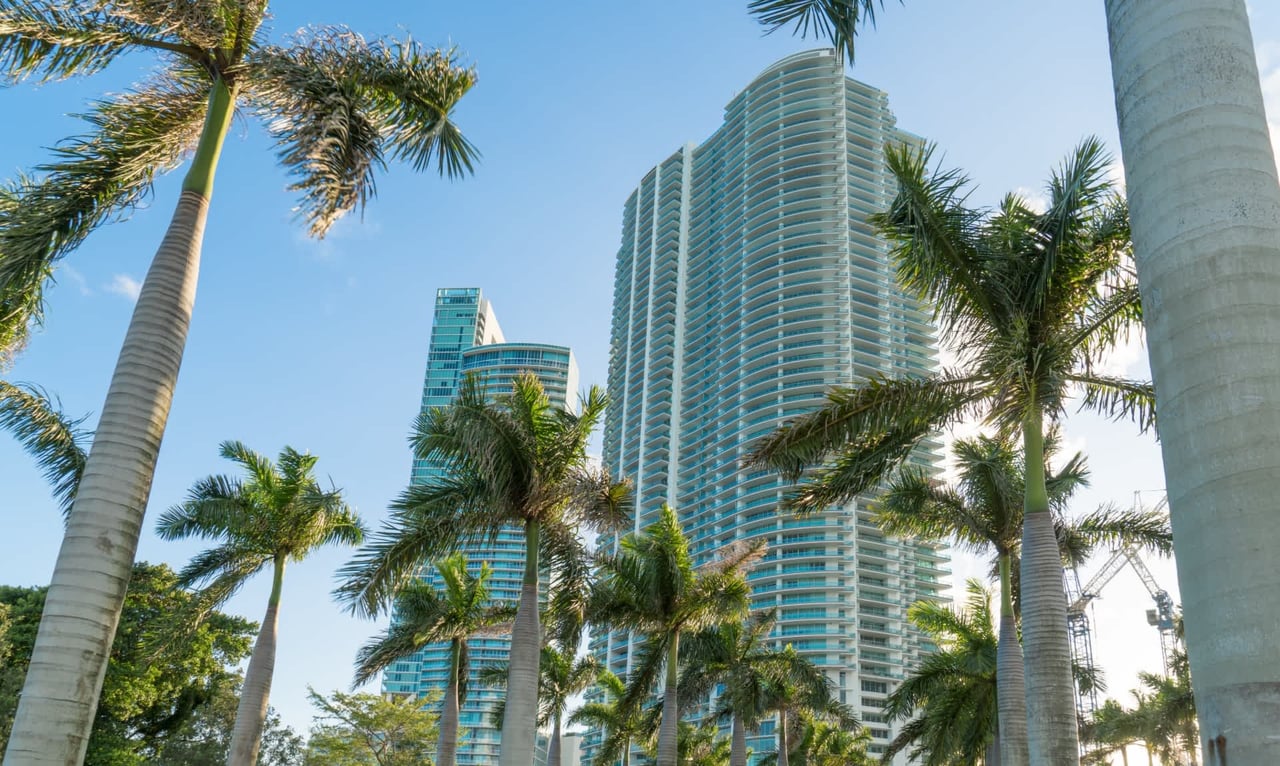
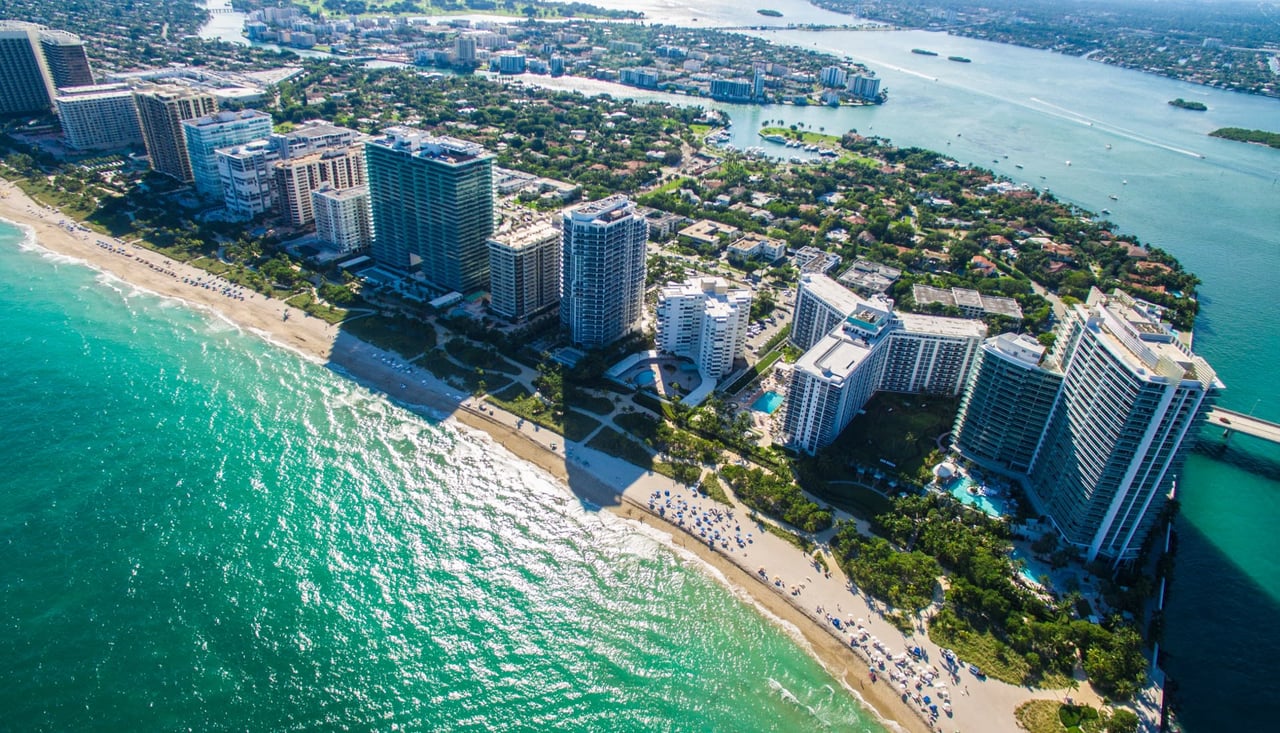
If high-rise Miami is not your style, Miami Shores offers a very different way to live. You get a more residential setting with detached homes, mature trees, and a calmer streetscape, while still staying connected to Downtown Miami and Miami Beach. If you are wondering whether it feels spacious, green, and close to the water, the answer is yes in ways that are easy to appreciate day to day. Let’s dive in.
A Residential Feel With Room to Breathe
Miami Shores is a small incorporated village in Miami-Dade County with a 2025 population estimate of 11,669. Census data also shows a high owner-occupied housing rate, which helps explain why the area feels rooted and residential rather than dense and transient. In practical terms, it reads more like a village of homes than an urban core.
That sense of space is not just visual. In one-family residential districts, Miami Shores requires lots to be at least 75 feet wide and 7,500 square feet in area, along with yard and waterfront setback rules. If you are coming from a condo-heavy part of Miami, that difference can feel substantial.
The original development also shaped the experience you see today. Miami Shores was laid out in the 1920s as a 2,800-acre subdivision with wide curving boulevards and a country club at the center of the vision. Even now, that early planning still shows up in the streets, setbacks, and overall flow of the neighborhood.
Gardens and Tree Canopy Shape Daily Life
One of the first things many people notice in Miami Shores is how green it feels. The village highlights landscaping, tree planting, and sidewalk upkeep as part of its public works priorities, and its sustainability materials describe trees as critical infrastructure. That tells you something important about the local environment: greenery here is part of the everyday living experience, not just decoration.
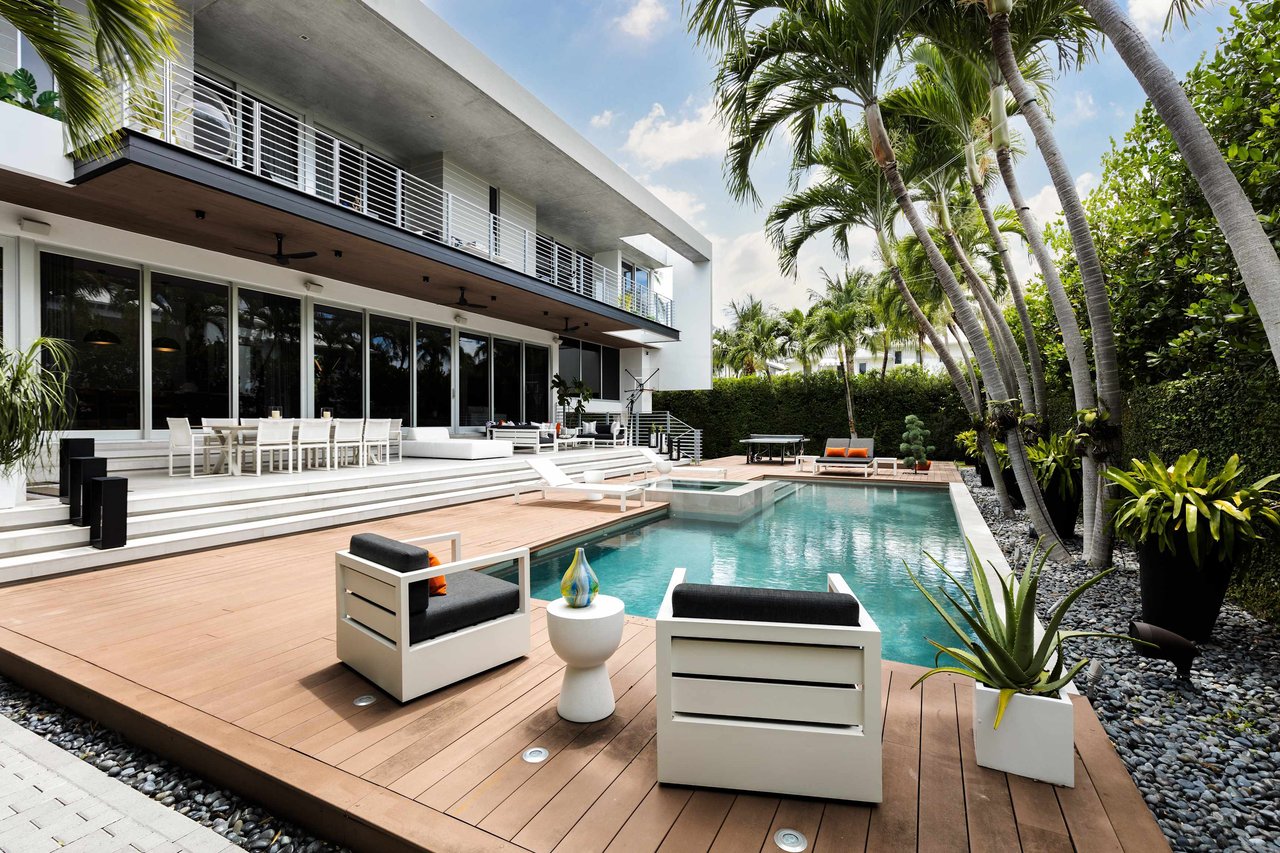
This is also why the idea of “gardens” fits Miami Shores so well. It is not a formal garden district, but larger lots, planted yards, and mature canopy all contribute to a landscape-driven feel. The result is a neighborhood where outdoor space often plays a real role in how a home looks and lives.
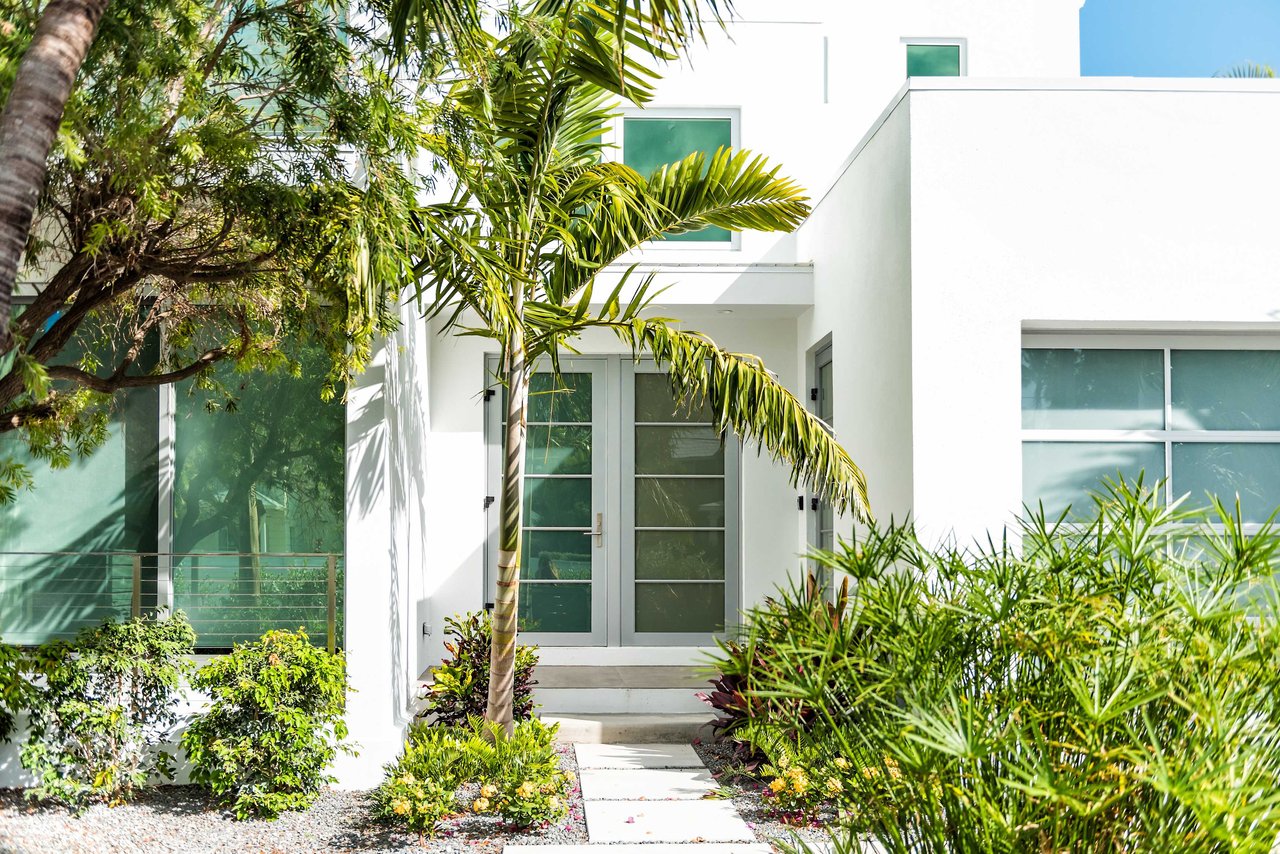
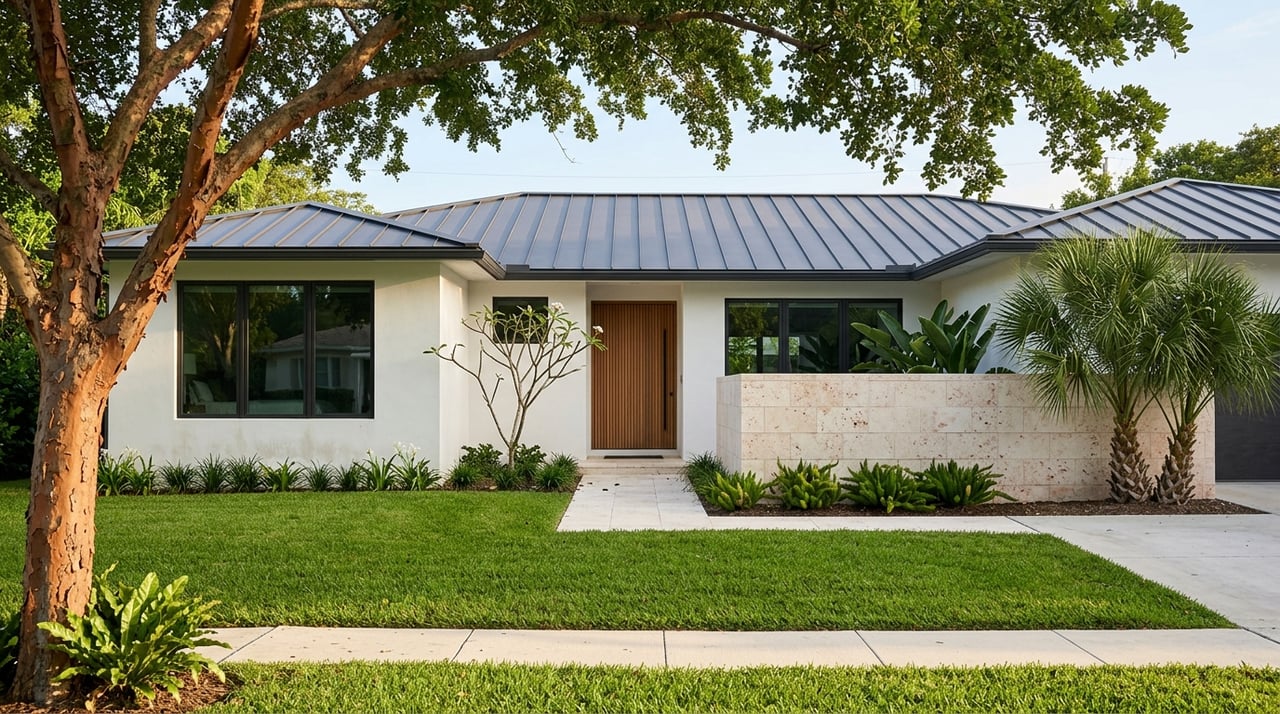
For buyers, that can mean more room for entertaining, gardening, or simply enjoying privacy around the home. For sellers, it means exterior presentation matters because the streetscape is part of the value story. In Miami Shores, curb appeal is closely tied to the village’s broader character.
Architecture Adds Charm and Continuity
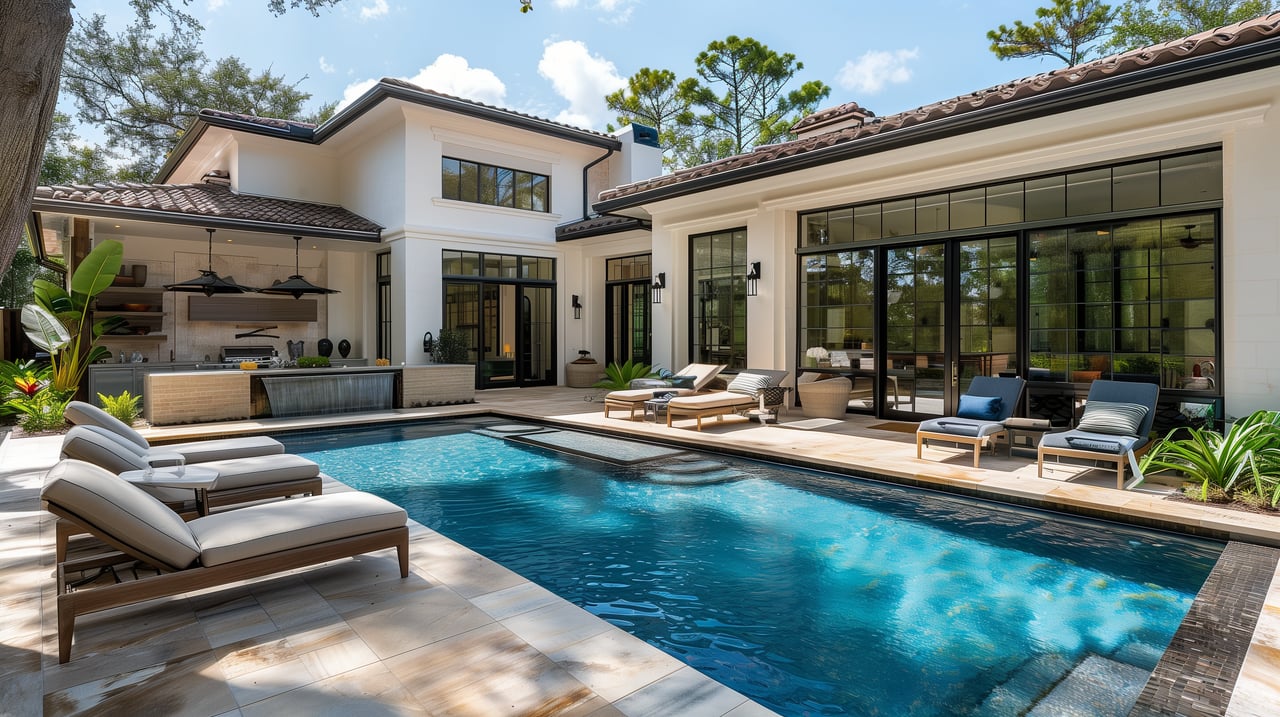
Miami Shores also stands out for its early architectural identity. In the first development phase, original property deeds required homes to follow a Mediterranean Revival theme. Many of those residences were built from 1925 to 1927 and often include clay-tile roofs, arched openings, wrought-iron or wood balconies, multi-paned casement windows, and French doors.
That does not mean every home looks the same. Over time, architectural variety has expanded the housing stock, but the original design language still gives the village a strong sense of continuity. If you appreciate neighborhoods where the street feels cohesive without feeling repetitive, Miami Shores has that balance.
The village’s own history also points to tree-lined streets, wide roads, and well-maintained homes as part of its identity. That matters because living here is as much about the public realm as the house itself. The street view, the setbacks, and the canopy all shape the experience.
Bay Access Is Part of the Appeal
For a neighborhood guide built around bay access, Bayfront Park is the clearest place to start. The village places it along North Bayshore Drive between 94th and 97th Street, and it includes bay views, water fountains, and a walking path. If you want a simple, public way to connect with the waterfront, this is the most direct answer.
The village has also studied additional waterfront access ideas through Bayfront Park project materials. Those options include public fishing and viewing piers, waterfront parks and boardwalks, boating safety programs, and environmental education facilities. While those are planning concepts rather than promises, they show that waterfront access is an active part of the local conversation.
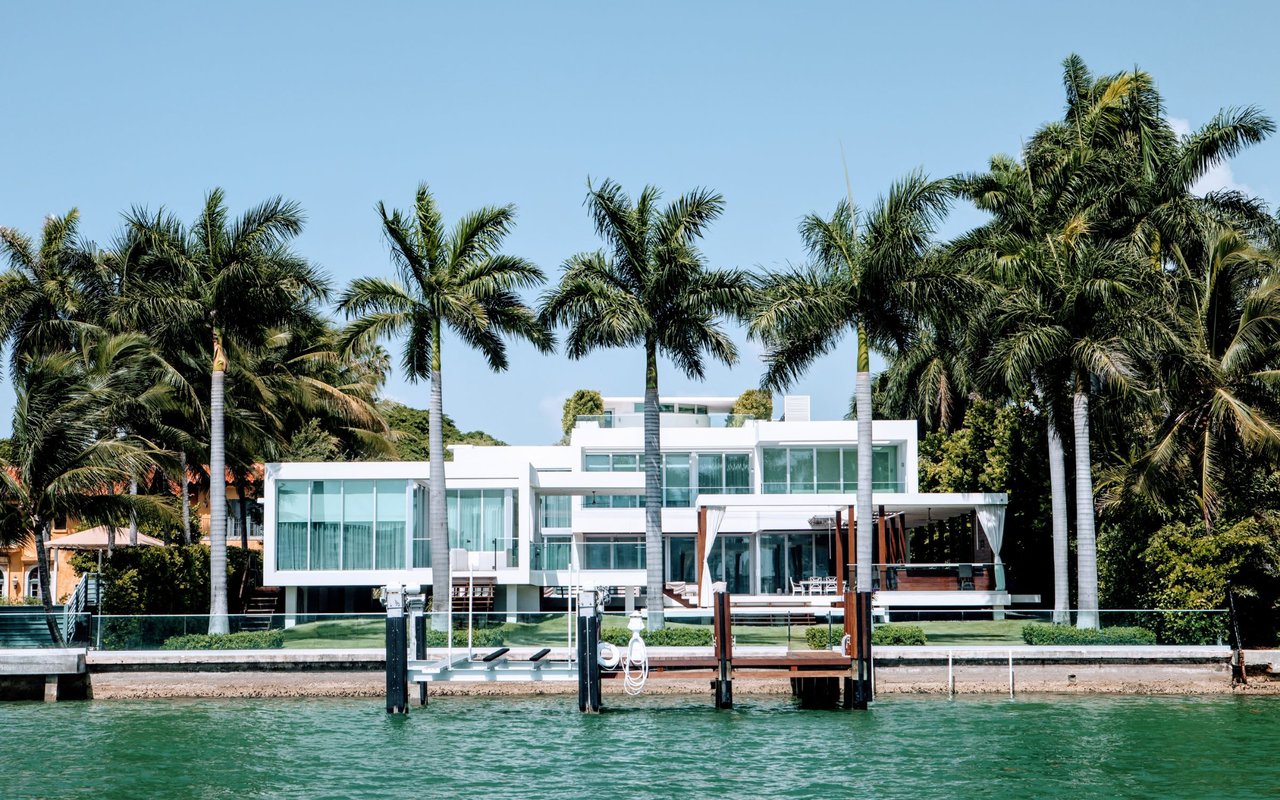
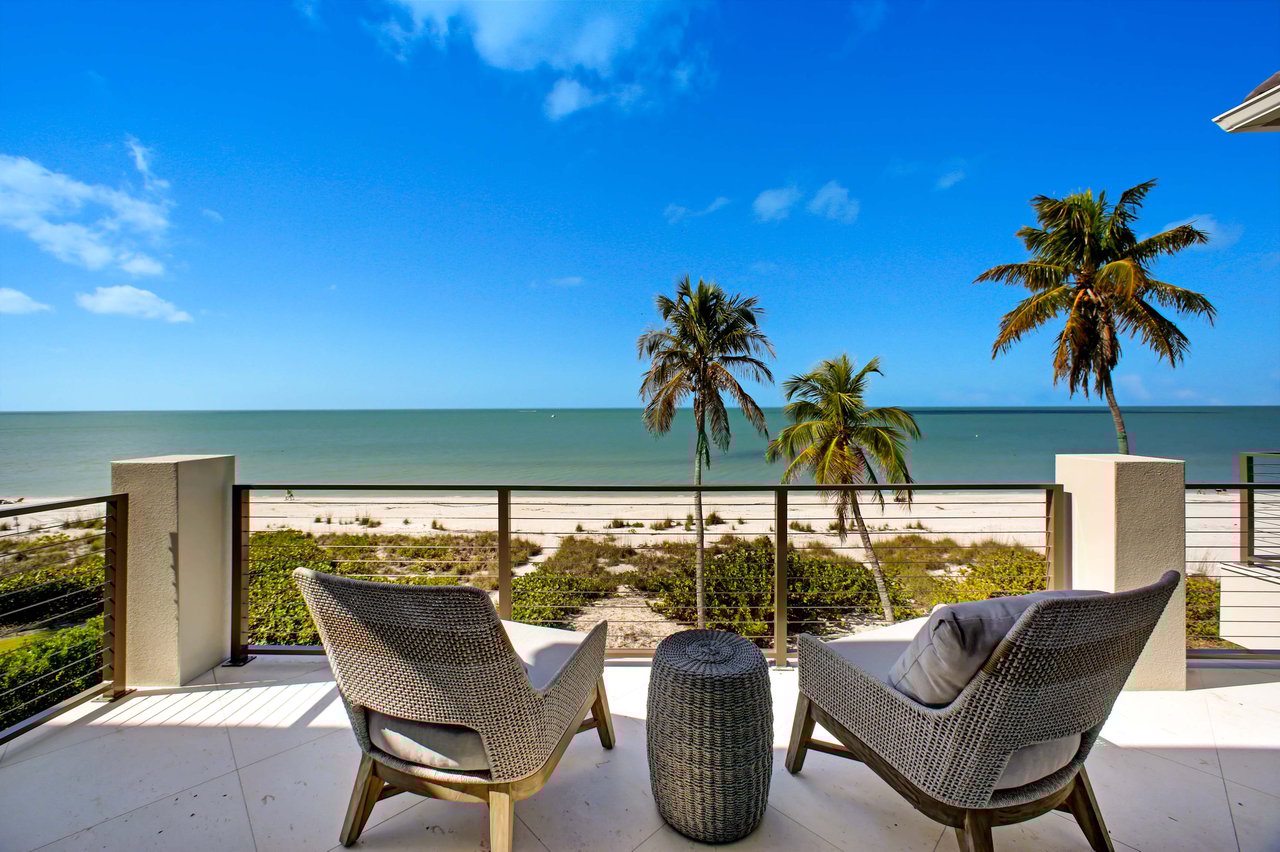
In everyday terms, bay access in Miami Shores is more about views, breezes, and public outdoor enjoyment than a nonstop marina lifestyle. That distinction matters if you are comparing it with neighborhoods that market themselves around dense waterfront entertainment. Miami Shores feels quieter and more residential.
Recreation Goes Beyond the Waterfront
Miami Shores offers a broad recreation setup for a village of its size. The Parks and Recreation Department serves residents and neighboring communities with community-center classes, intramural sports, an 8-lane competition pool, and tennis and pickleball programming. There is also after-school care, which adds to the practical daily-use appeal.
The Miami Shores Country Club is another part of the local lifestyle mix. The current site describes an 18-hole championship course framed by oak trees and the Biscayne Canal. Even if golf is not central to your routine, the club contributes to the area’s open, landscaped character.
This blend of parks, programming, and outdoor facilities helps explain why Miami Shores feels livable in a grounded way. It is not just attractive from the curb. It offers amenities that support regular routines, recreation, and time outside.
Close to Miami, Without Feeling Overrun
Location is one of the strongest parts of the Miami Shores story. The village says it sits north of Downtown Miami and east of I-95, while Miami and Beaches describes it as about 20 minutes north of Downtown Miami by car and six miles from Miami Beach. That makes it easier to enjoy the wider Miami lifestyle without living in the middle of constant intensity.
This is a big reason the village appeals to buyers who want more space but do not want to feel isolated. You can stay connected to business districts, beach areas, and cultural destinations while coming home to a more residential setting. In a market where “close, but calmer” is hard to find, Miami Shores fills a specific niche.
It is also worth noting that the transportation vision supports a lower-stress daily environment. The village’s transportation planning calls for bicycle lanes, shared lanes, neighborhood greenways, shared-use paths, crosswalks, bicycle parking hubs, and safe sidewalks, while also emphasizing residential quietude. So the lifestyle here is less about living in a walk-up urban grid and more about bike rides, neighborhood movement, and quick drives.
Who Miami Shores Often Fits Best
Miami Shores tends to stand out for buyers who want a detached-home lifestyle inside the broader Miami ecosystem. If you value lot size, mature landscaping, and a stronger sense of separation between homes, it offers a compelling alternative to denser neighborhoods. It can also appeal to people who want design character and a more established residential fabric.
For relocators, the village can make sense if you are trying to balance access with breathing room. You are still within reach of Downtown Miami and Miami Beach, but your home base feels greener and less vertical. That lifestyle difference is often clearer in person than it is on a map.
For sellers, the story is also fairly distinct. Space, canopy, architecture, and bay proximity all contribute to how homes are positioned in the market. When those features are presented clearly, Miami Shores can attract buyers who already know they want a quieter, more house-centered version of Miami living.
What to Expect From the Housing Experience
The housing experience in Miami Shores is shaped by land as much as by architecture. Lot width minimums, required area minimums, and yard setbacks create a physical pattern that supports openness and privacy. That framework is part of what makes the village feel different from neighborhoods where homes sit much closer together or where condos dominate the landscape.
You should also expect the visual quality of the streets to be part of the appeal. Tree canopy, sidewalks, and landscaping are not side notes here. They are part of why the neighborhood feels established, polished, and comfortable over time.
If you are comparing Miami Shores with other parts of Miami-Dade, it helps to focus on how you want to live day to day. Do you want a more vertical, amenity-driven setup, or do you want a detached home with a yard, mature streets, and a calmer pace? Miami Shores is strongest for the second option.
If you are exploring Miami Shores as a buyer, seller, renter, or investor, Casa Collection Group can help you evaluate how this village fits your goals across Miami-Dade County. From neighborhood guidance to high-touch transaction support, our team brings a direct, polished approach designed to make your next move feel clear and well executed.
FAQs
What is living in Miami Shores like compared with denser Miami neighborhoods?
- Miami Shores feels more residential and lower-density, with detached homes, mature tree canopy, and larger lots than many condo-heavy or high-rise parts of Miami.
How large are lots in Miami Shores single-family areas?
- In one-family residential districts, the minimum lot standard is 75 feet wide and 7,500 square feet, with additional yard and waterfront setback rules.
What kind of homes are common in Miami Shores?
- The original housing fabric is strongly Mediterranean Revival, and many early homes include clay-tile roofs, arched openings, balconies, casement windows, and French doors, with more architectural variety added over time.
Is there public bay access in Miami Shores?
- Yes. Bayfront Park offers bay views, water fountains, and a walking path, and the village has also studied additional waterfront access ideas such as piers and boardwalks.
How close is Miami Shores to Downtown Miami and Miami Beach?
- Miami Shores is north of Downtown Miami and east of I-95, and it is described as about 20 minutes from Downtown Miami by car and about six miles from Miami Beach.
What recreation options does Miami Shores offer residents?
- The village offers community-center classes, intramural sports, an 8-lane competition pool, tennis and pickleball programming, after-school care, parks, and access to the Miami Shores Country Club.