Miami Beach is widely recognized for its nightlife, beaches, and global appeal, but the city holds a depth of stories and details that surprise even the most seasoned visitors. Those searching for interesting facts about Miami Beach FL often discover a history shaped by bold design choices, influential individuals, and ambitious urban planning.
Beyond its image as a resort destination, Miami Beach is a place shaped by innovation, culture, and an ever-evolving environment. The following sections highlight distinctive aspects that reveal a different side of the city.
The City Began as a Coconut Plantation
Before Miami Beach became a world-renowned oceanfront destination, the area was a remote barrier island covered with mangroves. The island’s development began in the late 19th century when entrepreneurs John Collins and Carl Fisher invested heavily in transforming the land.
Collins initially attempted to establish a coconut plantation by importing coconut trees and establishing an agricultural business. That vision shifted as they realized tourism offered far greater potential. The same land once used for growing coconuts eventually became home to hotels, parks, and residential neighborhoods.
Miami Beach Has the Largest Collection of Art Deco Architecture in the U.S.
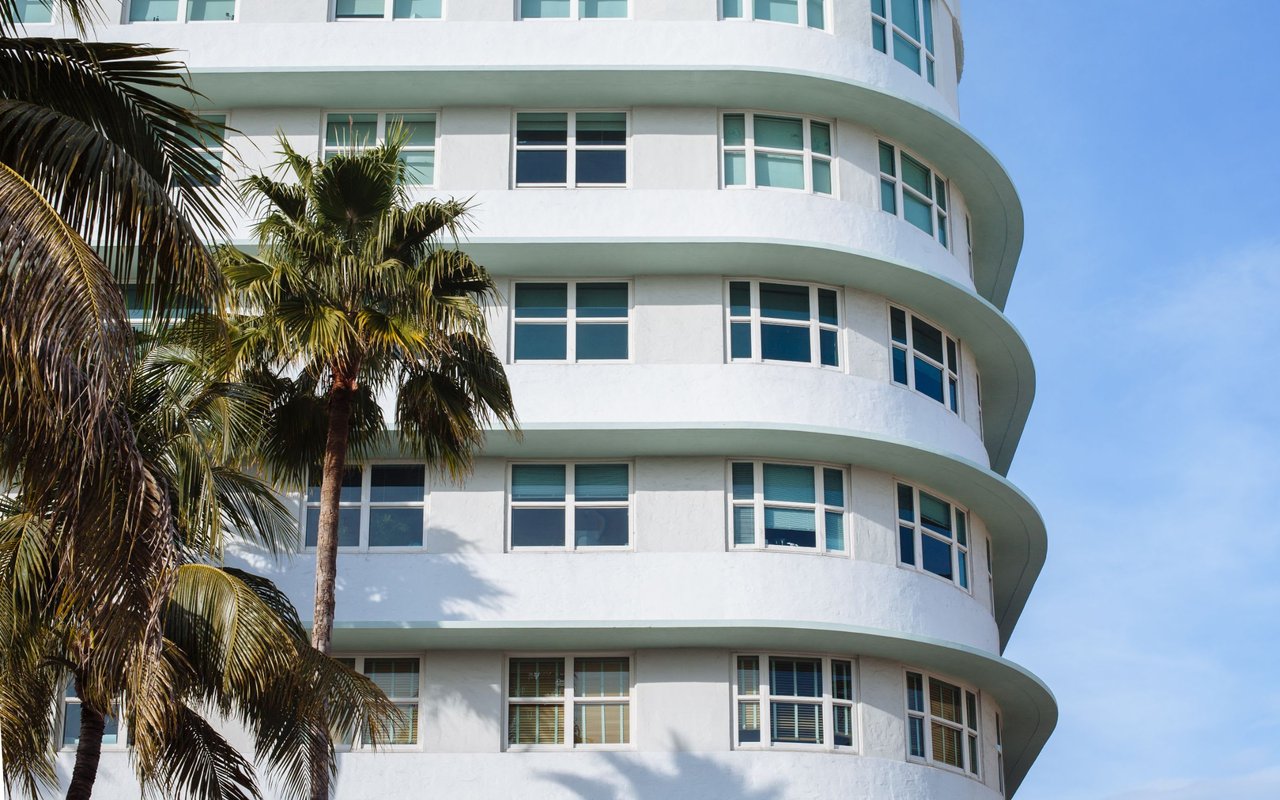
Visitors often notice the pastel facades, neon signage, and geometric shapes throughout Miami Beach. Still, many do not realize that the city possesses the country’s largest concentration of preserved Art Deco buildings. The district includes more than 800 structures built primarily in the 1930s and 1940s, making it one of the most significant architectural collections of its kind.
The buildings incorporate features such as porthole windows, ziggurat rooflines, and curved edges, all of which are influenced by nautical themes. Some of the most recognizable examples are Ocean Drive, Collins Avenue, and Washington Avenue. Preservation efforts have maintained not only the architecture itself but also the visual identity that sets Miami Beach apart from other coastal cities.
The City’s Beaches Are Man-Made
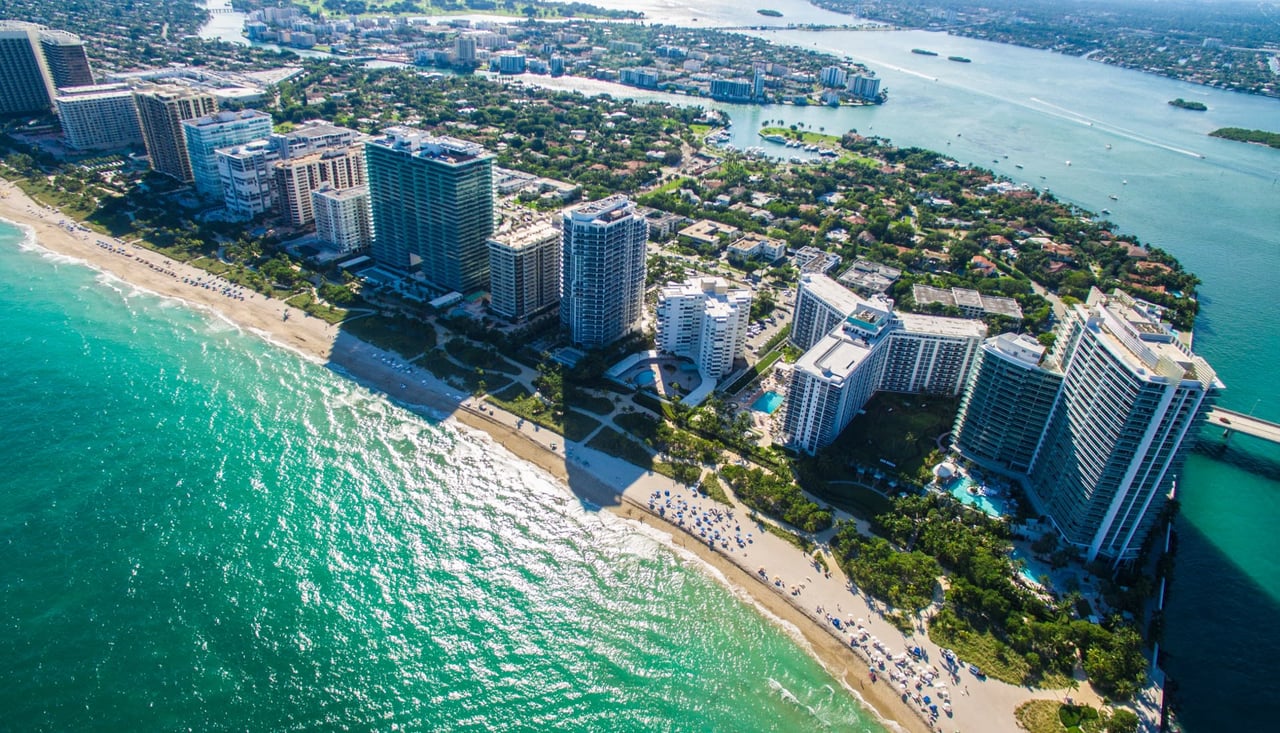
Miami Beach’s famous shoreline is not natural. The beaches people enjoy today were created through decades of sand-renourishment projects. Strong currents and storms regularly shift the sand along this stretch of the Atlantic coast, prompting local and federal agencies to work together to replenish portions of the beach and maintain its width and accessibility.
This ongoing process helps sustain tourism and protect oceanfront property. Visitors walking along South Beach or Mid-Beach often do not realize that the sand beneath their feet has been replenished many times over to create the expansive shoreline Miami Beach is known for.
Miami Beach Played a Key Role in Aviation History
Another of the lesser-known interesting facts about Miami Beach FL is its connection to military aviation. During World War II, the U.S. Army Air Forces established training facilities in the city, converting hotels into barracks and classrooms. Thousands of service members trained here before deployment, and their presence significantly shaped Miami Beach’s wartime and postwar identity.
After the war, many who had trained in Miami Beach returned later as visitors or residents, contributing to the city’s population growth and the development of its hospitality industry. This period also accelerated hotel renovations and prompted the expansion of amenities that later attracted global tourism.
The Venetian Islands Were Created Through Bold Engineering
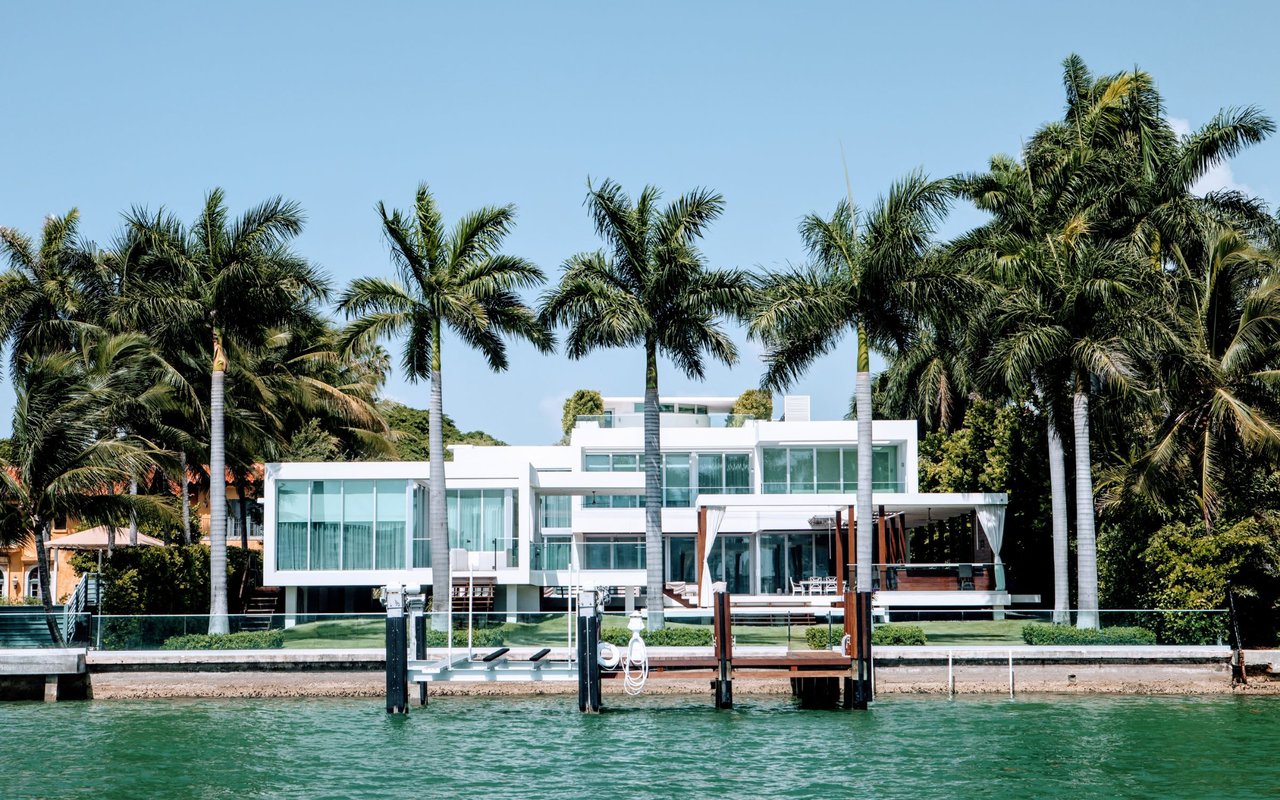
The Venetian Islands, which connect Miami Beach to the mainland of Miami, did not exist in their current form until the early 20th century. Engineers and developers dredged the bay and constructed a chain of manufactured islands: San Marco, Biscayne, Rivo Alto, Di Lido, San Marino, and Belle Isle.
These islands soon became home to a mix of architectural styles, from Mediterranean Revival estates to sleek modern residences. The Venetian Causeway, with its historic drawbridges and scenic views, reflects the ambitious infrastructure projects that transformed the region.
South Pointe Park Once Looked Completely Different
South Pointe Park today offers landscaped walkways, public art, and sweeping views of Government Cut, but its past tells a different story. Before the park’s redevelopment, the area included warehouses, storage facilities, and underutilized open spaces. Large-scale revitalization initiatives introduced new green spaces, a redesigned promenade, and enhanced access to the water.
The park’s transformation illustrates Miami Beach’s broader investment in creating inviting public spaces. The redesigned pier, interactive water features, and open lawns now attract locals and visitors who appreciate both the scenery and the connection to the waterfront.
Miami Beach Is Built on Ancient Coral
Many people are unaware that beneath Miami Beach lies a foundation of oolitic limestone, a type of ancient coral rock native to South Florida. The city’s buildings are anchored into this porous base, which influences construction techniques. Engineers must account for the stone’s permeability, particularly when designing underground structures and stormwater management systems.
This geographic foundation also shapes the region’s ecosystem. The natural limestone ridge historically influenced water flow and plant communities, leaving a distinct ecological imprint even as urban development expanded.
The City Inspired Major Film and Television Projects
Miami Beach has been the backdrop for iconic productions that helped define the city’s image. Projects like “Miami Vice,” “Scarface,” and numerous music videos shaped public perception and showcased the city’s blend of Art Deco architecture, palm-lined streets, and dynamic nightlife.
This longstanding connection to entertainment continues through ongoing film shoots, photography sessions, and cultural events. Miami Beach remains a favored location for creatives because it offers instantly recognizable visuals and a distinctive urban coastal environment.
The Miami Beach Botanical Garden Is Smaller Than Most Expect
Many visitors imagine a sprawling landscape when they hear about the
Miami Beach Botanical Garden, but its charm lies in its compact footprint. The garden spans just under three acres, making it surprisingly small compared to other botanical gardens nationwide.
Despite its size, it features native plants, a Japanese garden, a wetland area, and rotating art installations. Its location near the
Miami Beach Convention Center makes it an accessible escape and an ideal example of how the city incorporates green spaces within high-density areas.
Miami Beach Hosts One of the Largest Public Art Programs in the Country
Public art is woven throughout Miami Beach’s urban fabric. Murals, sculptures, and installations appear in parks, plazas, and major streets, supported by city-backed initiatives and partnerships with cultural institutions.
Art Basel amplified this presence by attracting world-renowned artists and galleries to the region.
These public pieces strengthen Miami Beach’s identity as a cultural destination, adding another dimension to its well-known beaches and nightlife.
Discover Miami Beach with Local Expertise
Miami Beach offers a unique blend of history, architecture, scenery, and innovation that often goes unnoticed beneath its pop-culture reputation. If you are interested in exploring the city more deeply or finding a home close to your favorite spots,
Marco Tiné is ready to assist.