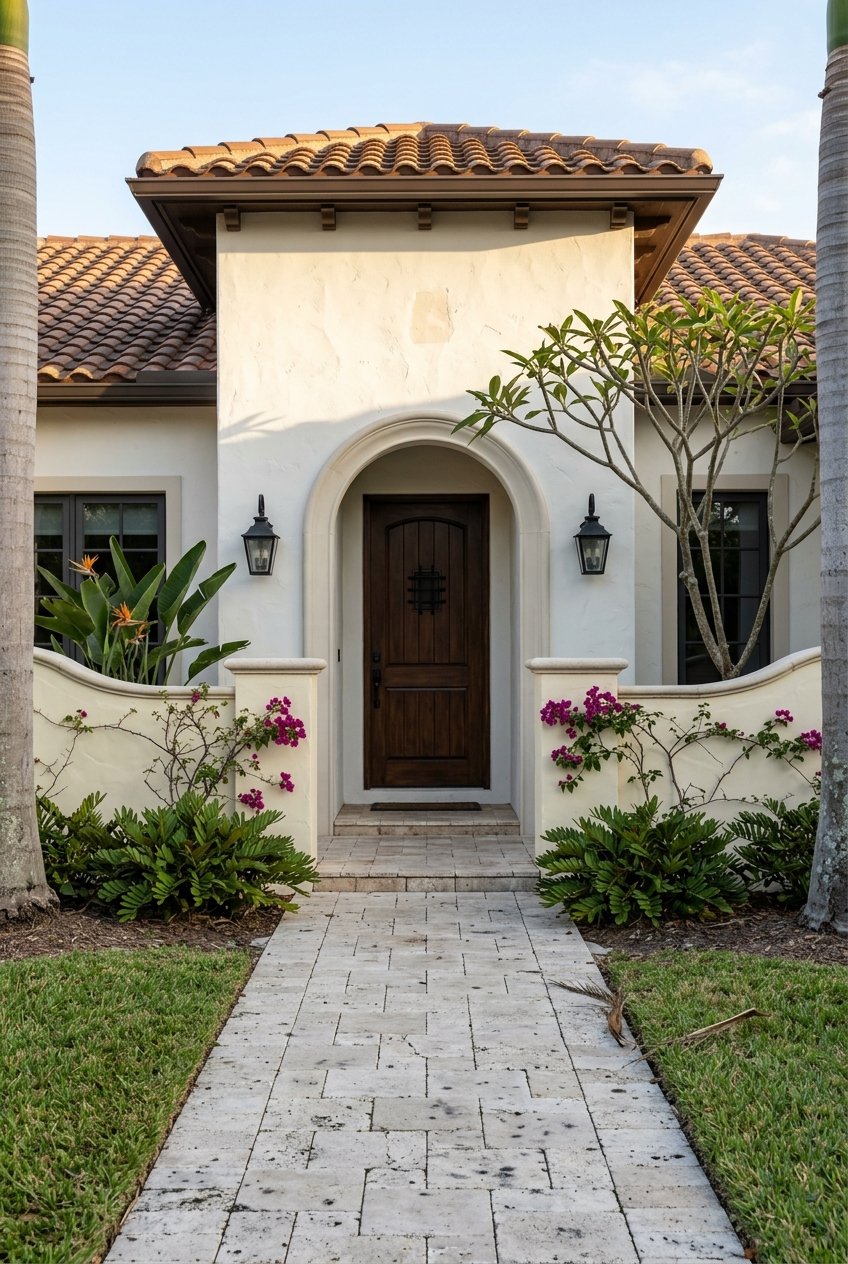
If you are selling a character home in Coral Gables, you are not just bringing an older property to market. You are presenting a home with architectural identity, city context, and a story that buyers will notice right away. When you understand how preservation, design review, and buyer expectations work locally, you can position your home more clearly and avoid preventable surprises. Let’s dive in.
Why character homes stand apart
Coral Gables has a distinct architectural identity shaped by George Merrick’s City Beautiful vision, Mediterranean Revival design, and landmark civic planning. The city says more than 1,000 properties are listed on the Coral Gables Register of Historic Places, which gives older homes here a very different context from a typical resale.
That matters when you sell. In Coral Gables, a character home is often viewed through both a lifestyle lens and a preservation lens. Buyers are not only asking whether the home is beautiful and functional. They are also looking at how well its character has been maintained and whether its updates fit the house.
Confirm your home’s status first
Before you make repairs, plan staging, or set a launch timeline, confirm exactly how the property is classified. Coral Gables distinguishes between individually designated landmarks, homes within historic districts, and contributing or non-contributing properties within those districts.
This step shapes the rest of your selling strategy. It affects what kind of exterior work may need review, what records you should gather, and how you explain the property to buyers.
Why classification matters
A home can have review requirements even if it is not individually designated. The city states that exterior alterations, additions, and demolitions to non-contributing structures in historic districts may still be reviewed unless otherwise specified.
In plain terms, do not assume a home is free from review just because it is not a landmark on its own. If your property sits in a historic district, you should verify the rules early.
Gather records before listing
Documentation can make a major difference when selling a Coral Gables character home. Buyers often want confidence about what is original, what was restored, and what was updated later.
Start by collecting permits, renovation records, prior approvals, and any historic designation paperwork. If available, older plans, archival images, or records tied to the home’s original development can also help support your pricing and marketing story.
Useful documents to organize
- Permit history
- Prior city approvals
- Renovation invoices and contractor summaries
- Historic designation records
- Architectural plans, if available
- Older photos that help show the home’s evolution
Clear documentation can reduce uncertainty. It also helps you answer buyer questions faster during showings, negotiations, and due diligence.
Know what work may need approval
If you are thinking about pre-listing improvements, separate simple maintenance from visible exterior changes. Coral Gables states that some maintenance may be handled administratively, while additions, major exterior remodeling, demolition, and similar work generally require a Certificate of Appropriateness before a permit is issued.
This is one of the biggest planning points for sellers. A project that seems straightforward from a resale perspective may involve review if it changes exterior character or design compatibility.
Check design review early
For larger curb-appeal projects, early coordination matters. The city notes that the Board of Architects reviews compatibility issues such as color, materials, fenestration, and proportion, and some submittals require a tree survey and tree protection plan.
If you want to repaint, replace visible exterior elements, rework windows, or make landscape-related changes, it is wise to verify the review path before you start. That can help protect your timeline and budget.
Focus on authenticity and compatibility
Buyers in Coral Gables often respond strongly to homes that feel architecturally coherent. Original massing, rooflines, facade rhythm, masonry, and the site relationship can carry as much weight as polished finishes.
The local visual language is also specific. Coral Gables highlights details such as native oolitic limestone, coral rock, arcaded loggias, central courtyards, barrel tile roofs, exposed rafter tails, and Mediterranean Revival forms. These are the details that often register as true Coral Gables character.
Avoid over-modernizing before sale
When sellers prepare a character home for market, a restore-and-refine approach usually fits better than an aggressive redesign. Updates tend to land better when they feel consistent with the home rather than visually competing with it.
That does not mean every feature must be original. It means the overall presentation should feel intentional, compatible, and respectful of the architecture buyers came to see.
Remember that interior function still matters
Exterior character tends to drive first impressions, but buyers still evaluate how a home lives day to day. In many cases, they are looking closely at layout, storage, systems, and overall maintenance inside the house.
Coral Gables states that interior remodeling is generally not subject to historic review unless a special tax-relief case or specifically designated public space is involved. For sellers, that often means interior improvements are best framed around livability, condition, and usability rather than historic compliance.
Interior features buyers may weigh closely
- Kitchen and bath functionality
- Condition of major systems
- Storage and circulation
- Natural light and room flow
- Evidence of consistent maintenance
A beautiful exterior may open the door, but daily function helps buyers picture themselves living there.
Tell the home’s story clearly
A character home sells best when the story is specific. Instead of relying on vague phrases like old-world charm, explain what makes the property meaningful within Coral Gables.
Useful details may include the year built, known architect or builder, original materials, notable restorations, and how the home fits into the city’s City Beautiful and Mediterranean Revival legacy. This kind of narrative helps buyers connect design details to place.
Build confidence through provenance
If you have archival photos, past approvals, or records showing what was restored versus newly added, use them to support the listing narrative. These materials can help clarify authenticity and reduce guesswork for buyers.
The goal is not to overwhelm people with paperwork. It is to show that the home has been understood, cared for, and presented with precision.
Prepare the exterior with care
When a character home needs pre-listing work, prioritize changes that protect the exterior character and are easy to document. In Coral Gables, compatible work tends to support a smoother story than dramatic cosmetic changes made right before market.
That can mean repairing rather than replacing where appropriate, using materials and colors that suit the architecture, and keeping additions or visible changes secondary to the original structure. Buyers often respond well when the home feels preserved rather than reinterpreted.
Address common seller concerns
Many sellers worry that local historic status will automatically create financial downsides. Coral Gables’ preservation guide states that local historic designation does not by itself increase assessed property taxes.
Another common concern is whether preservation limits make a home harder to sell. In practice, the city’s own guide notes that buyers have appreciated the unique character of historic properties and the perceived stability that preservation protections can bring. For the right buyer, that identity is part of the value.
Create a smart launch strategy
Selling a character home in Coral Gables takes more than attractive photos and a list price. It requires accurate classification, clean documentation, thoughtful preparation, and a marketing narrative that respects the architecture.
That is where disciplined execution matters. When your pricing, property story, and launch materials all align with the home’s true character, you give buyers a clearer reason to engage and a stronger basis for confidence.
If you are planning to sell a character home in Coral Gables, CASA Collection Group can help you position the property with a clear strategy, polished marketing, and hands-on guidance from pre-listing through closing. Schedule a free consultation.
FAQs
What makes a character home different in Coral Gables?
- In Coral Gables, a character home is often valued not only as an older residence but as part of the city’s architectural and preservation context, especially where Mediterranean Revival design and historic designation are involved.
What should you verify before selling a historic-style home in Coral Gables?
- You should confirm whether the home is individually designated, located in a historic district, or classified as contributing or non-contributing, since that can affect review requirements and marketing.
Do exterior updates on Coral Gables character homes need city approval?
- Many visible exterior changes may require review, and the city states that additions, major exterior remodeling, demolition, and similar work generally require a Certificate of Appropriateness before a permit is issued.
Does interior remodeling on a Coral Gables character home usually face historic review?
- The city says interior remodeling is generally not subject to historic review unless a special tax-relief case or specifically designated public space is involved.
Does local historic designation in Coral Gables automatically raise property taxes?
- No. Coral Gables’ preservation guide states that local historic designation does not by itself increase assessed property taxes.
What details do buyers notice in Coral Gables character homes?
- Buyers often notice architectural features tied to the city’s identity, such as coral rock, barrel tile roofs, arcaded loggias, courtyards, exposed rafter tails, and overall design compatibility.