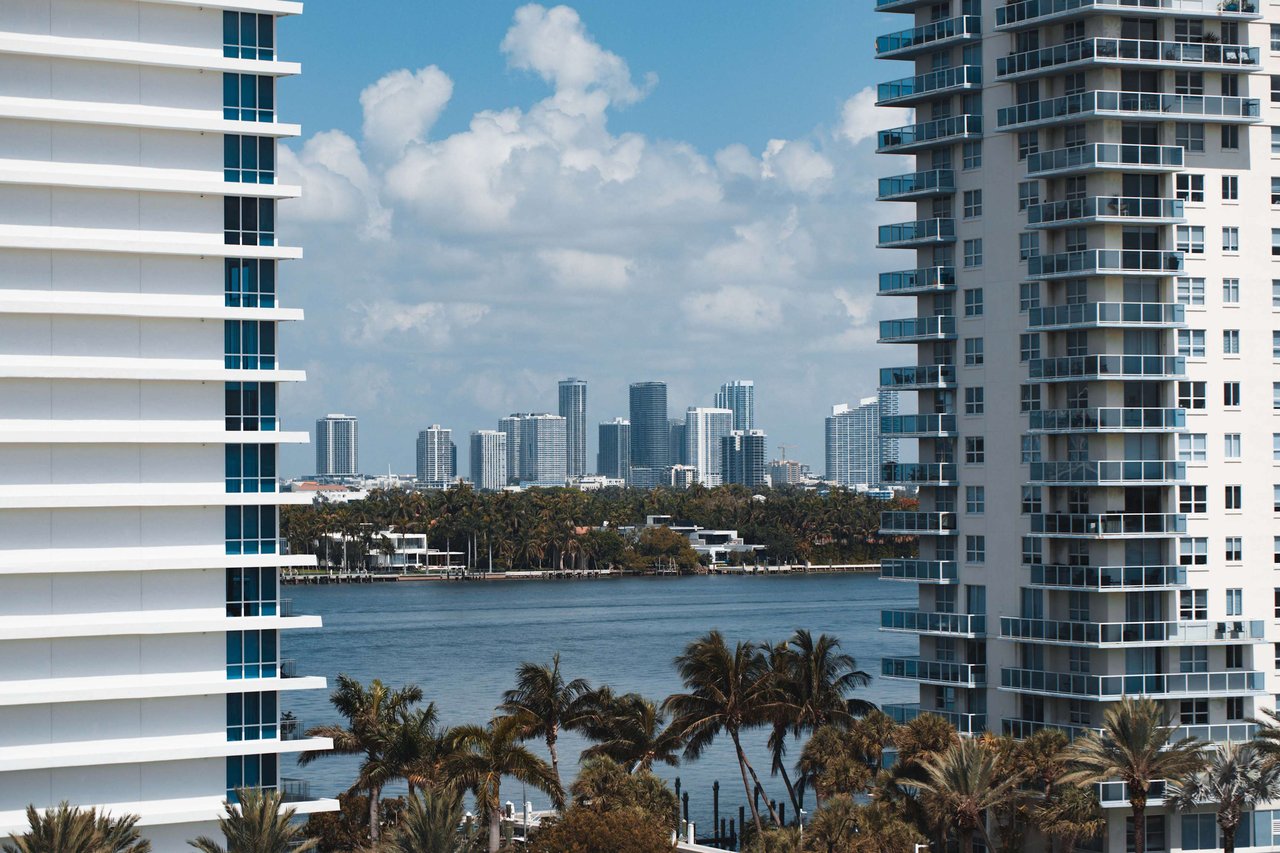
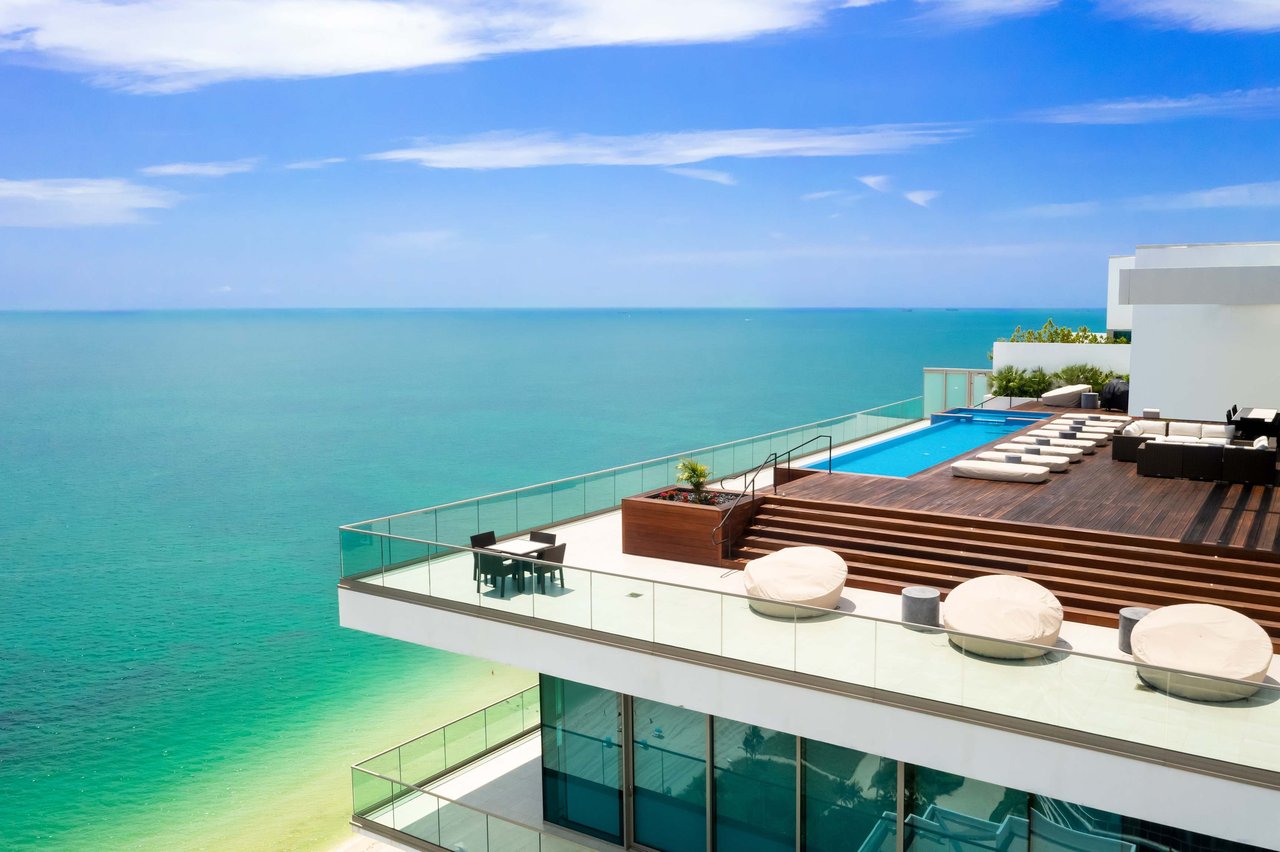
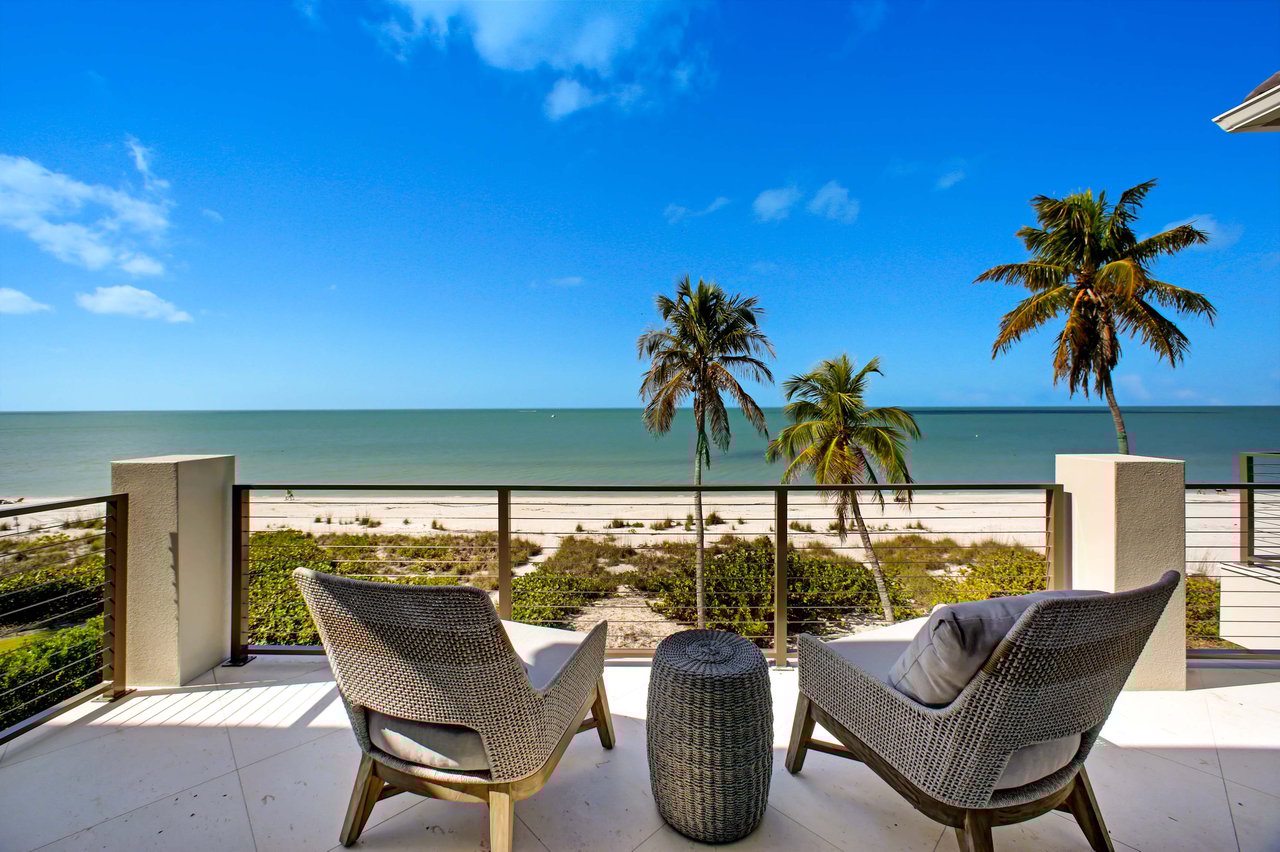
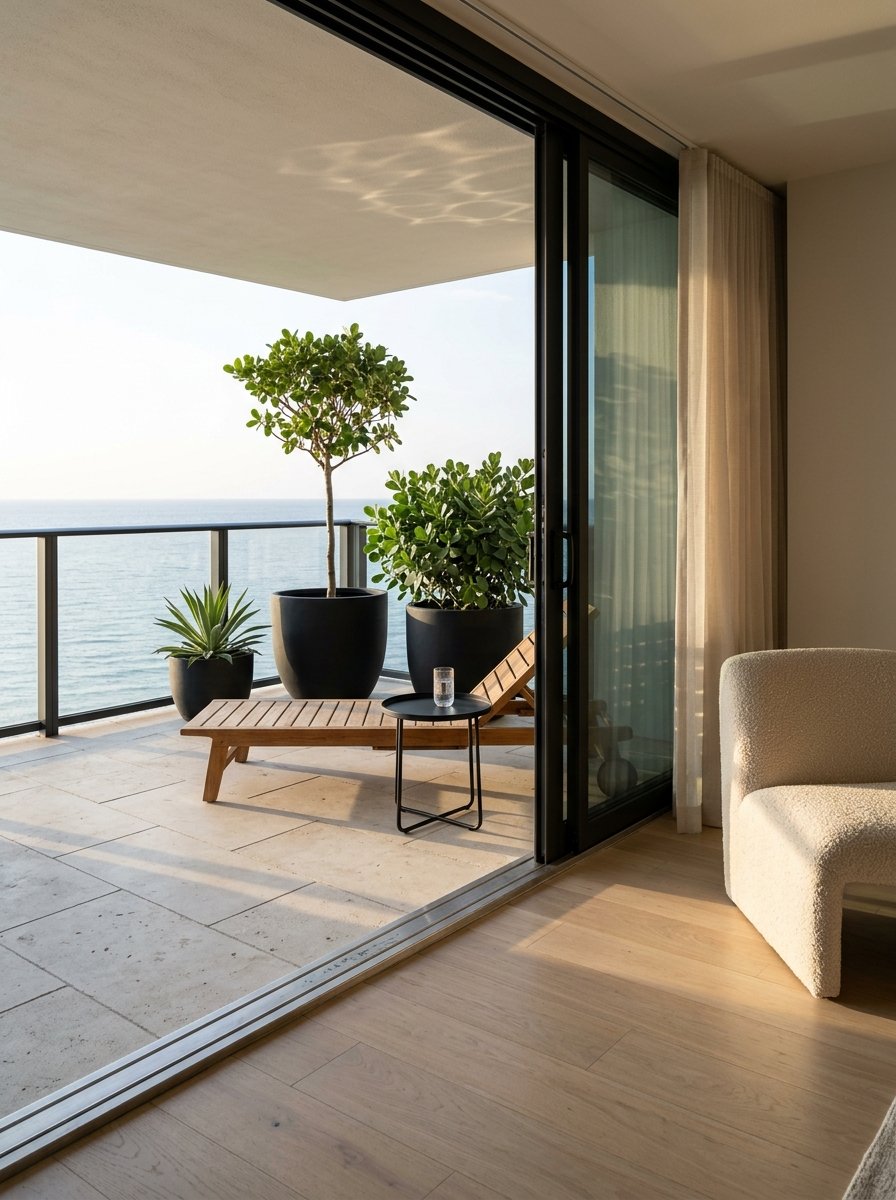
If you love the idea of waking up to ocean views and stepping straight onto the sand, South Beach condo living can feel hard to beat. But the oceanfront lifestyle here is not just about sunrise balconies and walkable mornings. It also comes with public activity, seasonal crowd shifts, building oversight, and real storm planning. If you are weighing a purchase, understanding both sides will help you decide whether this lifestyle truly fits how you want to live. Let’s dive in.
What Oceanfront Living Feels Like
In South Beach, the shoreline is a public asset, so your day-to-day experience is shaped by more than your building alone. You are living alongside a city-managed beach system with lifeguards, flag warnings, swim buoys, and a long oceanfront promenade.
That setup creates a lifestyle that feels active and connected. Instead of relying only on private amenities, you also have direct access to the beach, open-air walking routes, and one of the most recognizable coastal public spaces in Miami Beach.
Beachwalk Adds Daily Convenience
One of the biggest lifestyle perks is Miami Beach’s Beachwalk. The city describes it as a nine-mile, ADA-accessible oceanfront promenade that stays open 24 hours.
For many owners, that means your morning routine can include a beachfront walk, bike ride, or jog without needing to drive anywhere. It also supports a more car-light lifestyle, especially if you value easy outdoor access as part of your everyday schedule.
Trolley Access Supports Car-Light Living
The South Beach trolley runs seven days a week from 8 a.m. to 11 p.m. at roughly 20-minute intervals. It connects riders to restaurants, grocery stores, pharmacies, parks, Lincoln Road, and other practical daily stops.
That convenience can make oceanfront condo living feel easier than buyers expect. If you prefer to park less and walk more, South Beach offers a setup that supports that choice better than many waterfront areas.
Public Energy Is Part of the Tradeoff
The same features that make South Beach lively can also make it feel more exposed. Oceanfront living here is not secluded in the way some buyers imagine when they think of waterfront property.
Because the area is highly walkable and visitor-friendly, you should expect foot traffic, public activity, and a more social street presence. If privacy and quiet are your top priorities, that is an important reality to weigh early.
Lummus Park Shapes the Atmosphere
Lummus Park is a major part of the South Beach experience. It includes a playground, public restrooms, paved walking and biking paths, and outdoor fitness space.
The city also notes that the park hosts concerts, marathons, and other special events. In practical terms, that means the Ocean Drive and Lummus Park area often feels energetic, visible, and public-facing rather than tucked away.
Beach Rules Affect Daily Use
South Beach offers a highly managed beach environment. Miami Beach prohibits alcohol and smoking on city beaches, and the city has also put rules in place that restrict certain items and activities during peak periods.
Depending on the time of year, rules can include limits on coolers, glass containers, inflatable devices, tents, tables, and loud music. For some owners, this adds order and safety. For others, it can make the beach feel more regulated than expected.
Peak Seasons Change the Experience
South Beach is usable year-round, but it does not feel the same in every season. NOAA’s Miami Beach climate normals show average monthly mean temperatures ranging from 67.4°F in January to 83.1°F in August.
Rainfall also shifts sharply through the year. Average monthly precipitation rises from 2.33 inches in January to 8.45 inches in September, and the city notes that South Florida’s rainy season runs from May through October.
Spring Break Brings a Different Rhythm
March can feel very different from the rest of the year. City materials describe South Beach as a high-impact area during spring break, with measures that can include parking closures, restricted beach access, security checkpoints, and possible curfews.
If you own in the area, that means part of the year may feel less like relaxed beachfront living and more like a tightly managed visitor zone. Some buyers do not mind that tradeoff. Others want to be sure they understand it before buying close to the most active blocks.
Sargassum Is a Coastal Reality
Oceanfront ownership also means living with the changing shoreline itself. Miami Beach notes that heavier sargassum influxes can appear along the beach, and city crews remove seaweed daily across the 7.5-mile shoreline after sea-turtle surveys.
This matters because it reframes the beach as both an amenity and a natural coastal system. Even in a luxury setting, some parts of daily life are shaped by weather, tides, and shoreline maintenance.
Condo Ownership Means More Oversight
Beyond lifestyle, the biggest tradeoffs are often financial and operational. In Florida, residential condo and cooperative buildings that are three habitable stories or higher must complete milestone inspections by age 30 and every 10 years after that.
The law also allows local enforcement agencies to require the first inspection at 25 years when local conditions, including proximity to salt water, support it. For oceanfront buyers, that makes building condition and long-term repair planning a major part of due diligence.
Reserves and Assessments Matter
The purchase price is only part of the ownership picture. According to Florida’s Department of Business and Professional Regulation, structural integrity reserve studies are intended to help associations fund future major repairs and replacement of key structural elements.
If reserve funding falls short, associations may need special assessments or loans to meet obligations. In plain terms, the true cost of ownership may show up later through reserves, dues, or assessments, not just at closing.
Storm Readiness Is Not Optional
In Miami Beach, storm planning is part of the lifestyle. The city states that all of Miami Beach is in an evacuation zone and that there are no hurricane shelters in Miami Beach or the coastal communities.
Residents are urged to prepare early and secure balconies, loose outdoor items, and windows before evacuation. The city also notes that if a home is deemed uninhabitable by the Building Official, occupants must leave until repairs are completed.
Flood Insurance May Be Part of Financing
For buyers using financing, flood risk can affect lending requirements. FEMA and National Flood Insurance Program guidance says flood insurance is required for government-backed mortgages in high-risk flood areas, and lenders may still require it in some lower-risk zones.
That does not make oceanfront ownership a bad decision. It simply means your budget and planning should reflect the realities of the location.
Who South Beach Oceanfront Fits Best
South Beach oceanfront condo living is often the best fit if you value views, walkability, direct beach access, and a lively urban-coastal setting. It can be especially appealing if you want a home that feels connected to the energy of Miami Beach rather than removed from it.
It is usually a less natural fit if you want a quiet, low-activity environment or if you prefer ownership with fewer building-level considerations. Here, maintenance planning, reserve health, public activity, and storm readiness are part of the package.
How to Evaluate the Tradeoffs
If you are seriously considering an oceanfront condo in South Beach, focus on both the lifestyle and the building. A beautiful view matters, but so do the day-to-day realities that shape ownership.
As you compare options, pay close attention to:
- Proximity to Ocean Drive and Lummus Park
- Building age and inspection history
- Reserve funding and recent assessments
- Seasonal crowd patterns around the property
- Storm preparation expectations for owners
- Walkability and trolley access for your routine
The right condo is not just the one with the best finishes or the strongest view. It is the one that aligns with how you want to live, what level of activity you enjoy, and how prepared you are for the responsibilities that come with oceanfront ownership.
If you want a clear, local perspective on South Beach condos, CASA Collection Group can help you evaluate buildings, lifestyle fit, and the details that matter before you make a move.
FAQs
What is daily life like in a South Beach oceanfront condo?
- Daily life often includes direct beach access, use of the Beachwalk promenade, nearby trolley service, and regular exposure to public activity along the shoreline and surrounding streets.
What are the biggest tradeoffs of owning an oceanfront condo in South Beach?
- The main tradeoffs include seasonal crowds, stricter beach rules during peak times, storm evacuation planning, possible flood insurance requirements, and association costs tied to reserves, repairs, or assessments.
How does spring break affect South Beach condo owners?
- During March, city management measures can include parking closures, restricted beach access, security checkpoints, and possible curfews, which can change the feel of the neighborhood for part of the season.
What building issues should buyers review in a South Beach condo?
- You should review the building’s age, milestone inspection status, reserve funding, recent or planned assessments, and overall approach to long-term structural and electrical maintenance.
Is car-free living realistic in South Beach for condo owners?
- It can be, especially in oceanfront areas with access to the Beachwalk and the South Beach trolley, which connects many daily destinations such as grocery stores, parks, restaurants, and pharmacies.
Does owning oceanfront in South Beach require hurricane planning?
- Yes. Miami Beach is in an evacuation zone, and owners should expect to plan ahead for storms, secure outdoor items, follow evacuation guidance, and prepare for possible temporary displacement after severe weather.