By CASA Collection Group
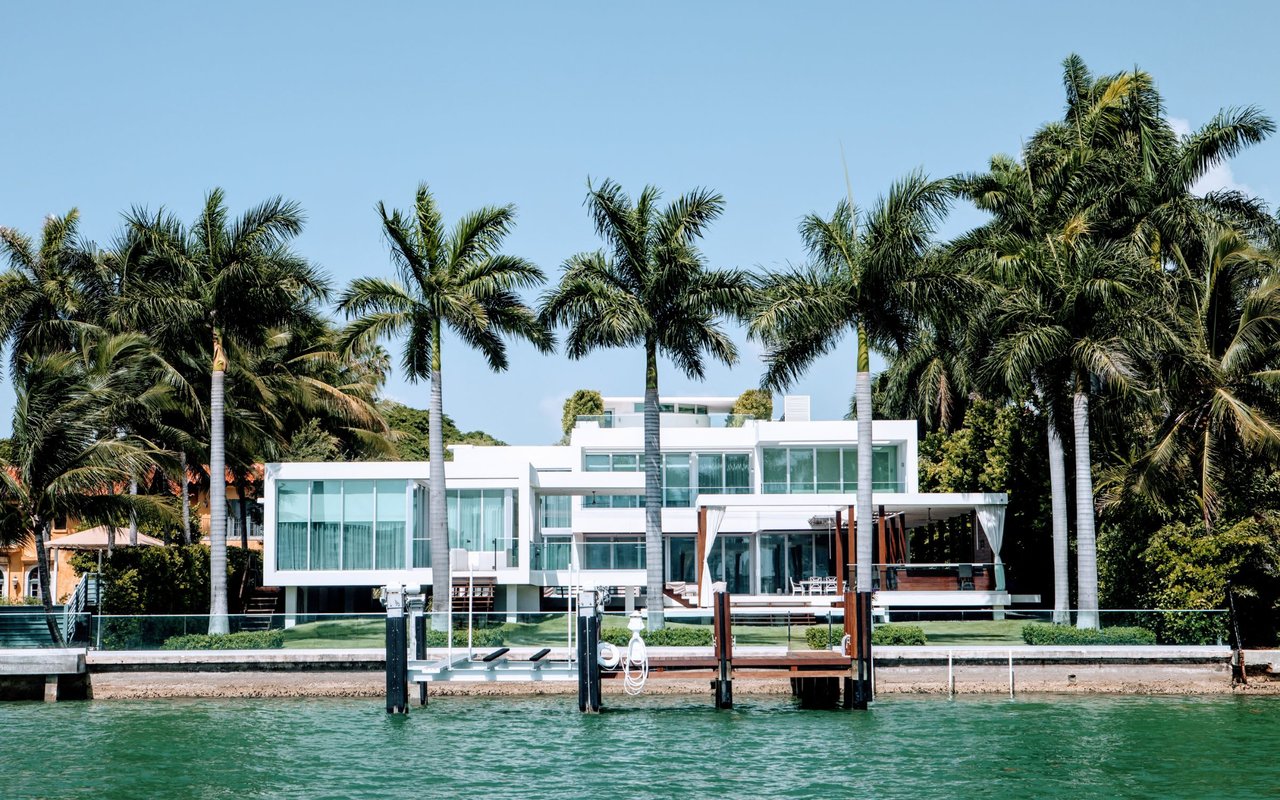
Miami Shores sits on the edge of Biscayne Bay, a village of tree-lined streets and homes with real character. It was planned in the 1920s as a Mediterranean-inspired community, and that vision still shapes the feel of the neighborhood.
We work in the village every day, and we love helping clients understand what makes it special. Here is what we share with people who are just getting started.
Key Takeaways
- Planned village: Miami Shores was developed in the 1920s and incorporated as a village in 1932.
- Architectural variety: Mediterranean, midcentury, and Miami Modern homes all appear on village streets.
- Bayfront setting: The village borders Biscayne Bay, so flood zones and elevation deserve a close look.
- Local rules: Renovation and construction are regulated, so confirm requirements before you plan changes.
A Village With a Planned Past
The Shoreland Company began developing Miami Shores in 1924 and promoted it as America’s Mediterranean. A hurricane in 1926 halted construction, and a new company took over later in the decade before the village incorporated in 1932.
What That History Means Today
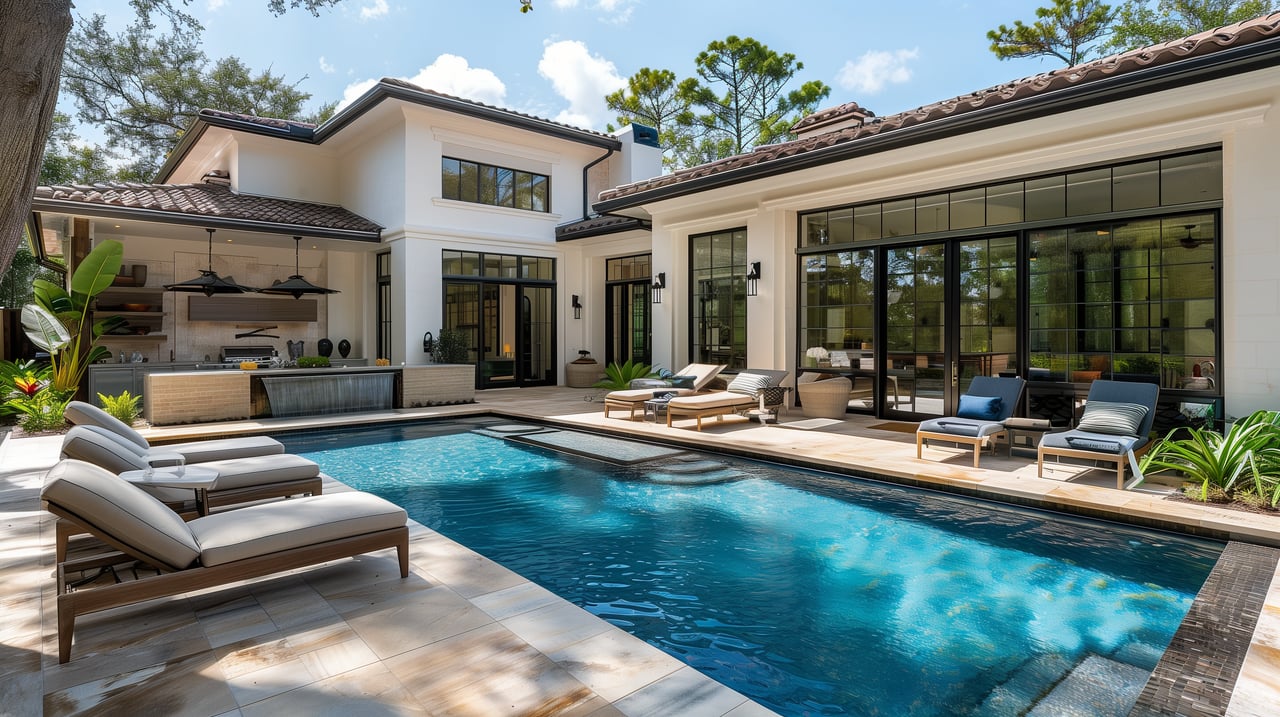
Many homes reflect the Mediterranean-inspired vision of the early developers. Other streets show the midcentury growth that followed.
- Historic charm: Several early homes are listed on the National Register of Historic Places.
- Village identity: The community has its own government and village services.
- Established streets: Mature trees and consistent lot patterns give the area a settled feel.
Spend time walking the neighborhood before you narrow your search. Notice how the streets change from one section to the next. We are always happy to share the stories behind favorite blocks.
Architecture You Will See
The village offers a rich mix of styles. Two-story Italian-influenced homes and Spanish Mediterranean examples sit near one-story midcentury houses.
Mediterranean, Midcentury, and MiMo
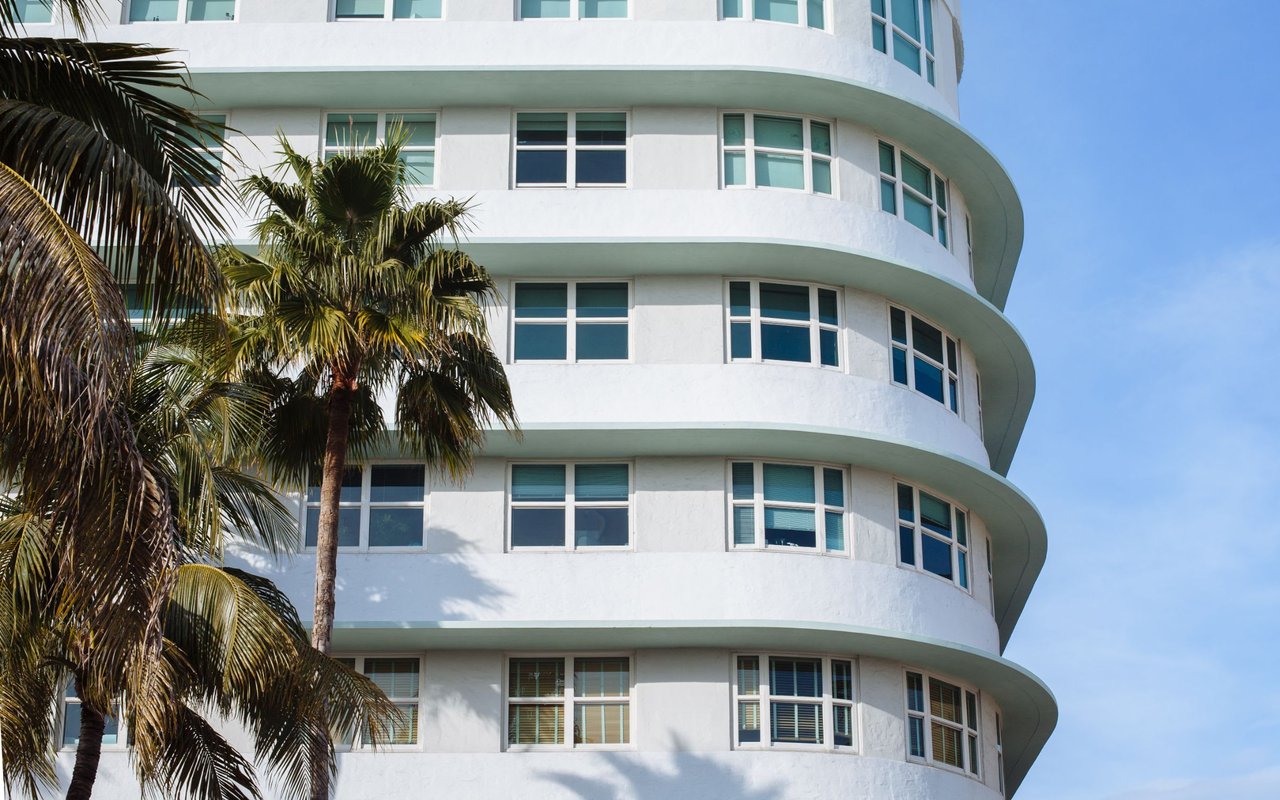
Miami Modern, often called MiMo, is well represented, and hundreds of examples appear around the village. Each style comes with its own maintenance needs and renovation considerations.
- Mediterranean: Tile roofs, stucco walls, and arched details define the look.
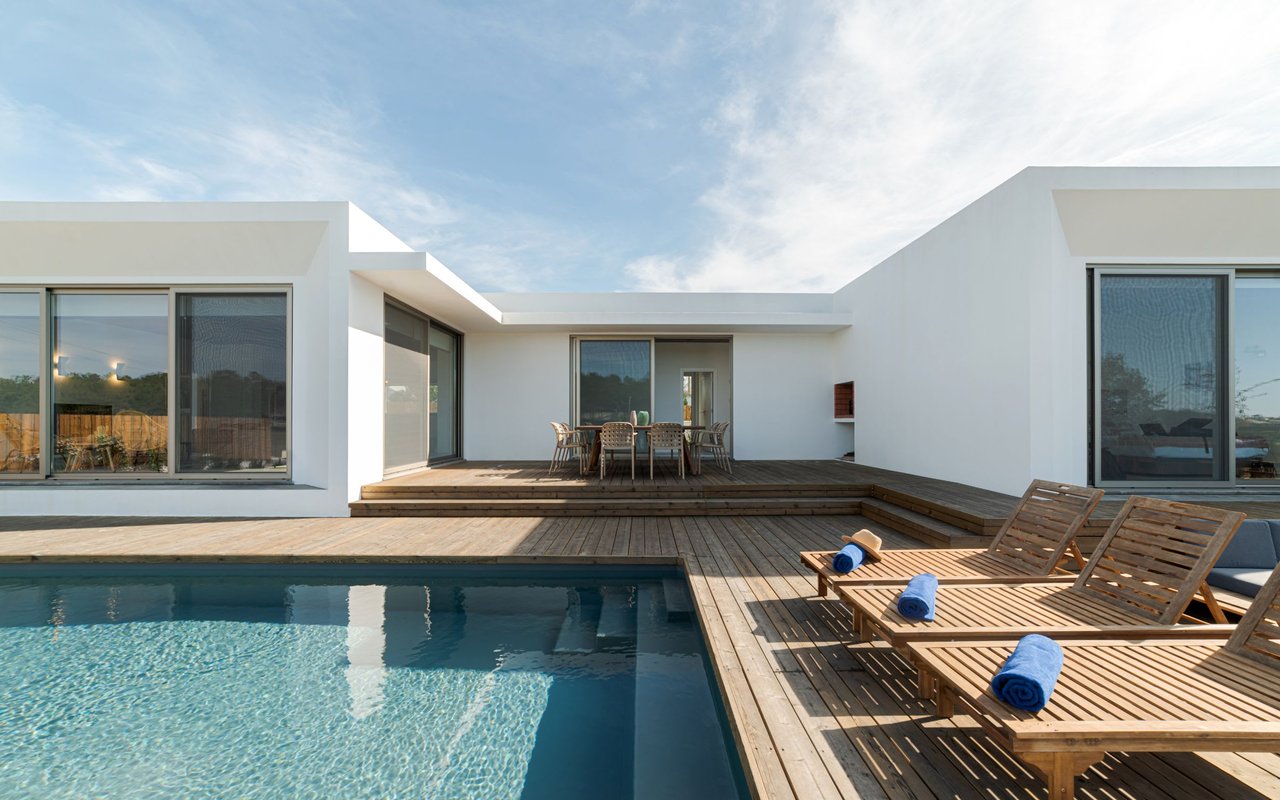
- Midcentury: One-level layouts and clean lines suit easy indoor and outdoor living.
- Miami Modern: Bold geometry and period details attract design lovers.
Older homes can hold surprises, so a thorough inspection matters. Ask about the age of the roof, windows, plumbing, and electrical systems. We can connect you with trusted local inspectors.
Location, Parks, and Everyday Life
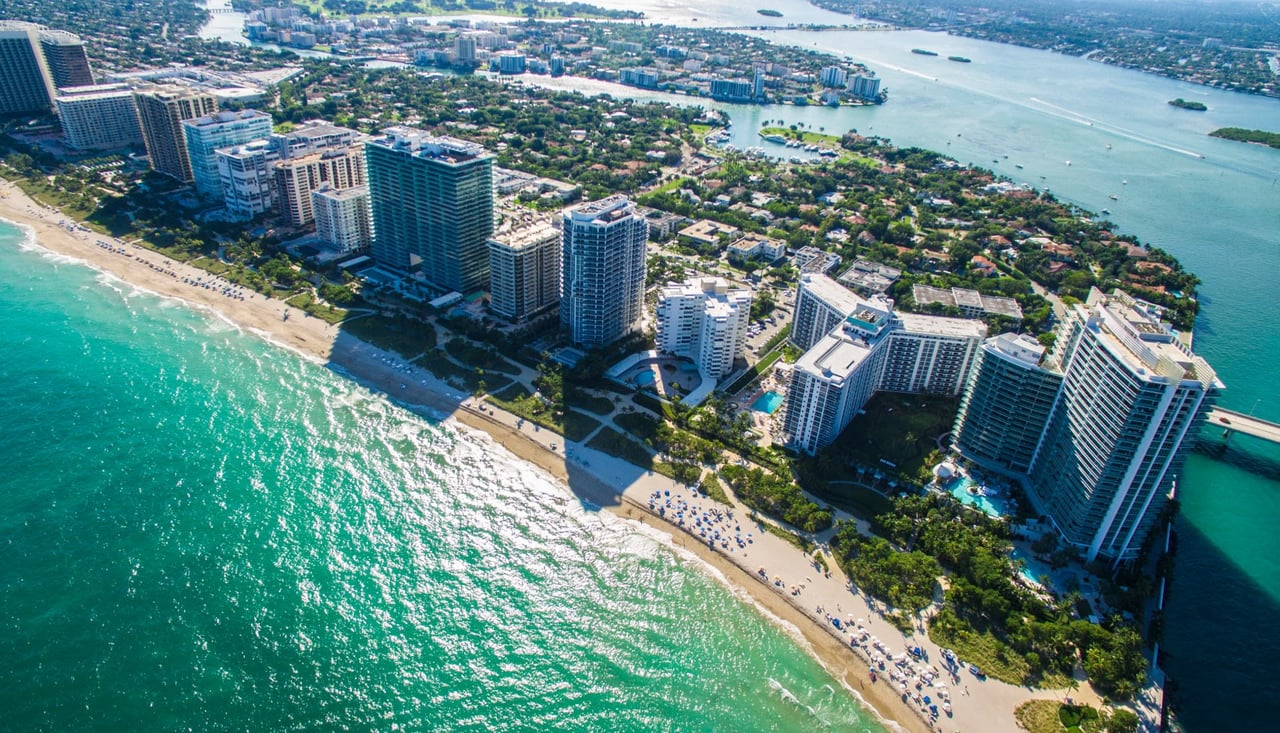
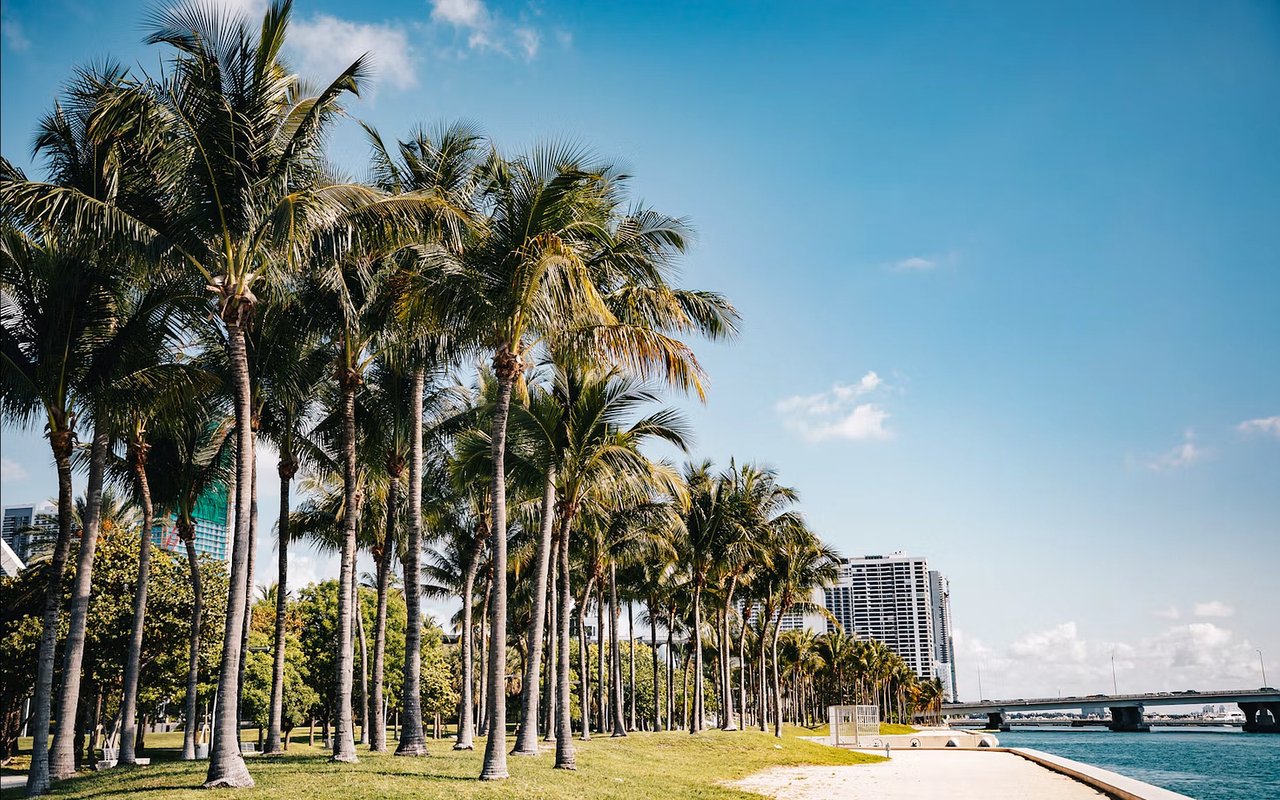
Miami Shores lies in northeastern Miami-Dade County, bordered by Biscayne Bay on the east. Barry University has its main campus in the village, and a local library serves residents.
Around the Village
Downtown Miami Shores runs along NE 2nd Avenue, with restaurants, shops, and a village farmers market nearby. Parks and green spaces dot the neighborhood.
- Village center: Restaurants and shops sit along NE 2nd Avenue.
- Parks: Optimist Park hosts community events and a farmers market.
- Bay access: The village borders the water, though many areas sit inland.
Visit at different times of day to experience the village rhythm. Walk or bike where you can, since many errands are close together. We find that clients fall in love with the community on a slow weekend visit.
Flood Zones, Insurance, and Rules
The village notes that heavy rain from June through October poses the biggest flood threat, and flooding can occur almost anywhere in its flat terrain. Flood zones vary across the village, with higher risk zones along the bay.
Questions to Ask Early
Standard homeowners policies generally do not cover flood damage, so flood insurance is worth discussing. Ask for an elevation certificate and find out which flood zone applies to the home.
- Flood zone: Confirm the zone and ask about past flooding.
- Insurance: Get quotes for homeowners, windstorm, and flood coverage.
- Renovation rules: The village regulates construction, so check requirements before you plan changes.
Talk with your insurance agent and your attorney early in the process. Rules and rates change, so confirm current details. We can point you toward local professionals who know the area well.
How to Start Your Search
A clear plan makes the search smoother. Think about the style, the location, and the level of renovation you can handle.
A Simple Roadmap
Start by touring several homes in different sections of the village. Compare how each one feels, and keep notes on what you like.
- Priorities: List your must-haves and your nice-to-haves.
- Budget: Include insurance, maintenance, and renovation costs in your plan.
- Team: Work with an agent who knows the village well.
Take your time and visit your favorites more than once. A second look often reveals new details. We are glad to guide you through every step.
FAQs
What types of Miami Shores homes for sale are available?
The village offers mostly single-family homes in Mediterranean, midcentury, and Miami Modern styles, plus some apartments and condominiums. Styles and conditions vary from street to street. We can help you find the right fit.
Is Miami Shores in a flood zone?
Flood zones vary across the village, with higher risk zones along Biscayne Bay. Ask for the flood zone and an elevation certificate on any home you consider.
Can I renovate a home in Miami Shores?
Yes, but the village regulates construction, and permits are required. Check requirements with the village before you plan changes.
Contact Us at CASA Collection Group