By CASA Collection Group
A kitchen remodel here involves more than picking cabinet colors, since building codes, historic district rules, and salt air all shape what actually works long-term. Homes built decades ago often carry layouts that feel closed off compared to what buyers expect today. We walk clients through these local realities before a single wall comes down, since a plan that ignores them tends to cost more later.
Here's what to consider before starting a kitchen renovation Miami Beach FL homeowners can actually enjoy for years.
Key Takeaways
- HVHZ building codes: Apply to structural and window work touching a kitchen's exterior walls.
- Historic district approval: Adds a review step for homes within a designated architectural district.
- Humidity-resistant materials: Hold up better than standard finishes in this climate.
- Open floor plans: Remain the most requested layout change among local renovation clients.
Work Within HVHZ Building Codes From the Start
Miami Beach sits within a High-Velocity Hurricane Zone, which means any exterior wall or window work touching a kitchen must meet Florida Building Code standards for wind-borne debris protection. A Miami-Dade Notice of Acceptance must exist on file for any impact-rated window or door installed during the project.
Code Requirements Worth Planning For
- A current Notice of Acceptance: Documents that a specific window or door product passed required wind and impact testing.
- Impact-rated openings: Cover any kitchen window, door, or skylight touching an exterior wall.
- Inspection sign-off: Confirms all installed products match their approved specifications before a permit closes.
A contractor unfamiliar with these standards can delay a project significantly once inspection reveals a mismatch. Any project touching exterior openings should build this review into the schedule from day one.
Navigate Historic District Approval If Your Home Qualifies
Homes within the Art Deco Historic District or another designated historic zone need a Certificate of Appropriateness before any exterior-facing kitchen work begins. Miami Beach's Historic Preservation Board reviews these applications against the Secretary of the Interior's Standards for Treatment of Historic Properties.
Steps Worth Taking Early in the Process
- A Certificate of Appropriateness application: Covers any exterior change visible from a public right-of-way.
- Historically appropriate window replacement: Balances period-correct appearance with current impact standards.
- Coordination across departments: Involves the Building Department, Planning Department, and Preservation Board together.
A homeowner should confirm historic status well before finalizing a design, since approval can add real time to a schedule. Kitchen renovation Miami Beach FL plans involving a historic property benefit from an early conversation with the preservation staff.
Choose Materials That Hold Up to Humidity and Salt Air
Salt air and high humidity wear down standard cabinet finishes and hardware faster here than in most inland markets, making material selection a bigger decision than it might seem elsewhere. Marine-grade hardware, sealed stone countertops, and moisture-resistant cabinet boxes all handle this climate noticeably better than budget alternatives.
Materials Worth the Upgrade
- Marine-grade cabinet hardware: Resists corrosion far longer than standard finishes near the coast.
- Sealed natural stone countertops: Stand up to humidity better than unsealed or porous surfaces.
- Moisture-resistant cabinet boxes: Reduce warping and swelling over a kitchen's lifetime.
A slightly higher upfront material cost usually saves real money on repairs within just a few years. A kitchen finished with the right materials keeps its appearance long after a standard build starts to show wear.
Open the Floor Plan Without Losing Character
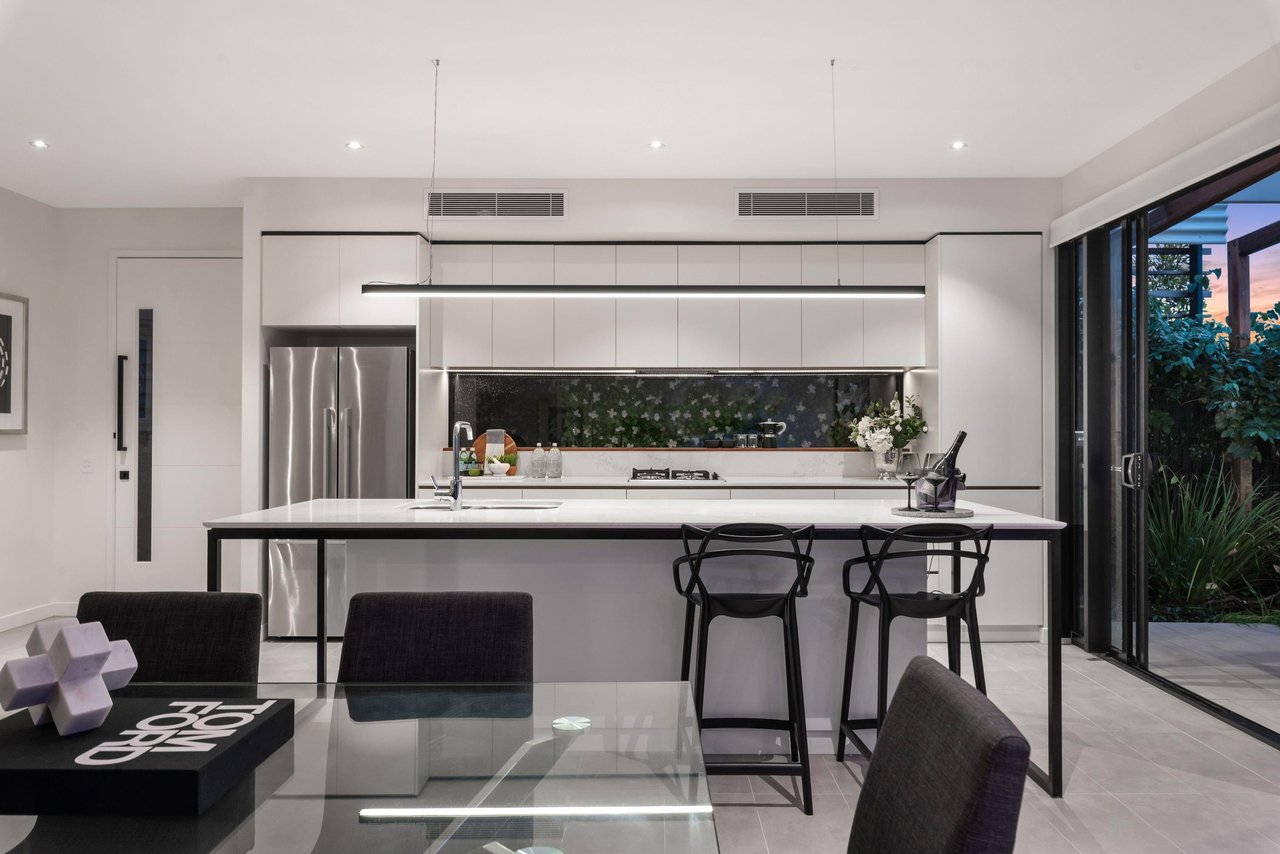
Older Miami Beach homes frequently include a closed-off galley kitchen tucked away from the main living space, a layout most buyers today want replaced with something more connected. A non-structural wall between a kitchen and dining area, once removed, often transforms how a home functions without touching any load-bearing element.
Layout Changes Worth Considering
- Removing a non-structural wall: Connects a closed kitchen to an adjacent living or dining space.
- Adding a peninsula or island: Creates additional counter space while keeping sightlines open.
- Repositioning appliances: Improves workflow without expanding a kitchen's overall footprint.
A structural engineer should confirm which walls can safely come down before any demolition starts. Local homeowners plan around this exact question more than almost any other design decision.
FAQs
Do I Need Impact Windows for a Kitchen Renovation Miami Beach FL Contractors Complete?
Any exterior window or door touching a kitchen wall must meet current HVHZ impact standards with a valid Notice of Acceptance on file. A licensed local contractor can confirm exact product requirements before ordering materials.
How Long Does Historic District Approval Typically Take?
Approval timelines vary depending on the scope of exterior work and the Historic Preservation Board's current review schedule. A project involving only interior changes usually avoids this review step entirely, since it applies mainly to exterior-facing modifications.
Are Open Floor Plans Always Possible in Older Homes?
An open layout depends on which walls carry structural load, something only a licensed engineer can confirm for a specific home. Many older homes can still open up significantly even when one or two walls must stay in place.
Reach Out to CASA Collective Group
A kitchen renovation done right here accounts for building codes, historic rules, and a climate that punishes shortcuts, and we help clients plan around all three from the start. We are
CASA Collection Group, and we work with contractors who already know these requirements well.
Reach out to us today and let's talk about how your current layout and goals point you toward the right home.