Wondering whether Downtown Miami deserves a place in your investment strategy? It is a fair question, especially in a market where glossy towers, bay views, rental potential, and rising inventory can all pull you in different directions. If you are considering a condo here, the smart move is to look past the headline and understand how Downtown really works by submarket, building, and use case. Let’s dive in.
Downtown Miami Is Not One Market
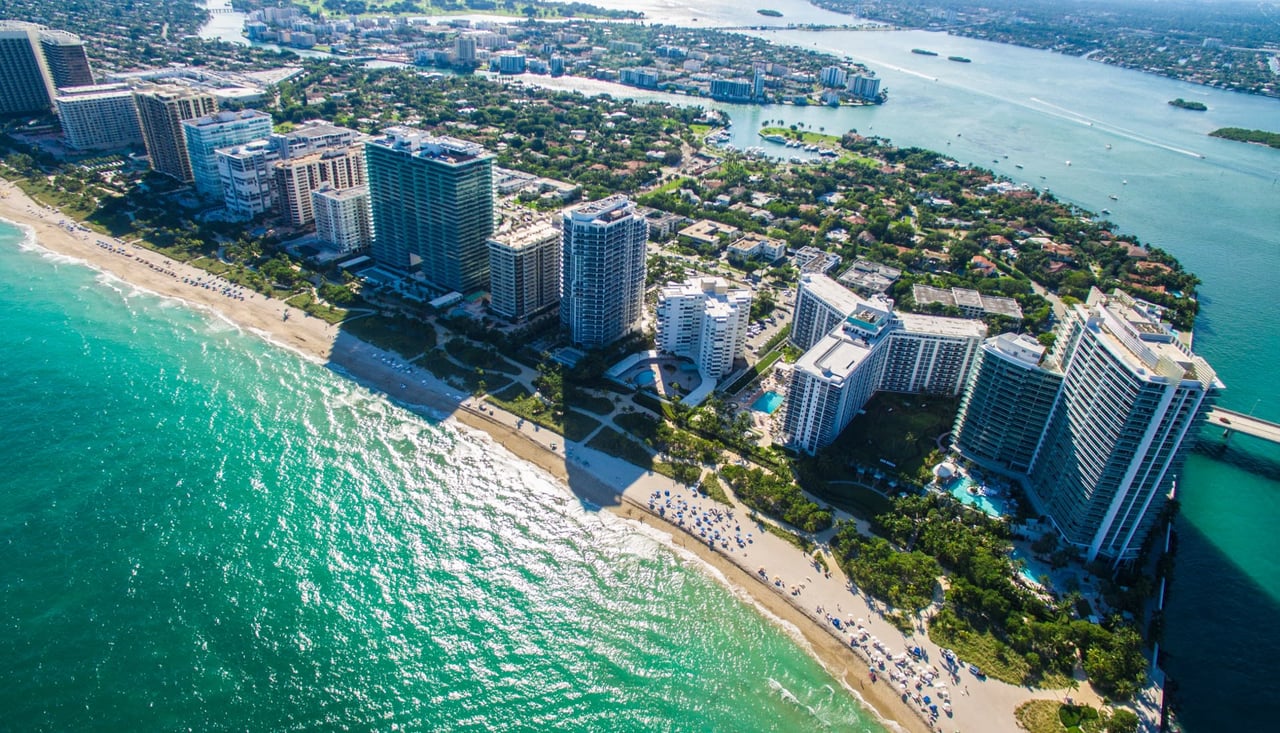
A smart condo investment starts with the right frame of reference. Downtown Miami is better understood as Greater Downtown Miami, which includes several distinct urban districts rather than one uniform condo market.
According to the Miami Downtown Development Authority, Greater Downtown has more than 101,000 residents, 155,000 jobs, more than 200 residential buildings, over 8,100 hotel rooms, and 30-plus construction projects. The same data shows median household income at $119,000 and residential population growth of nearly 68% since 2012. That scale matters because it supports year-round housing demand, employment access, and long-term relevance.
Why Demand Stays Strong
Downtown continues to attract buyers and renters because it offers something many Miami locations cannot match in one place: urban convenience, transit access, and cultural density. For many investors, that combination helps support both end-user appeal and rental demand.
The public realm is part of that story. Miami DDA planning efforts focus on connecting the CBD, Brickell, the Arts & Entertainment District, and the waterfront through Baywalk and Riverwalk improvements, wider sidewalks, pedestrian and bike corridors, and transit within short walking distance.
Transit is a real advantage here. Miami-Dade says the Metromover is free, runs seven days a week, and serves 21 stations across Downtown, Omni, and Brickell. Nearby destinations include Bayfront Park, the Kaseya Center, the Adrienne Arsht Center, Pérez Art Museum Miami, and the Frost Museum of Science.
Condo Inventory Is Large and Growing
If you are evaluating Downtown as an investment, supply should be part of your analysis from day one. Greater Downtown already has a substantial condo base, and more units are on the way.
The DDA's 2025 residential analysis reports more than 39,000 condo units in Greater Downtown, with roughly 10,000 under construction. That would increase inventory by about 27%. This does not mean you should avoid the market, but it does mean your unit selection, price discipline, and building quality matter more than ever.
The same report found that the average condo price per unit in Greater Downtown was 97.4% higher in 2025 than in 2019. Average rent reached $4,450 per unit, up 65.7% since 2019. Those numbers show strong growth, but they also raise the bar for what counts as a smart buy today.
The Best Answer Depends on the Submarket
When buyers ask whether Downtown Miami is a smart condo investment, the real answer is usually tied to which part of Downtown they mean. Each submarket has its own pricing, pace, and buyer profile.
Brickell: Scale and Demand
Brickell holds the largest condo cluster in Greater Downtown, with 19,021 existing units and 48.3% of total condo inventory. As of Q2 2025, the average price was $939,000.
The DDA also notes that Brickell remains a high-demand market, with 27% of 2024 volume in the luxury segment. For investors, Brickell often appeals when you want a globally recognized address, strong amenity competition, and broad buyer awareness.
Central Business District: Core Downtown Exposure
The Central Business District had 8,892 existing units, 2,728 under construction, and 989 proposed as of the DDA's 2025 analysis. Average price was $844,000 in Q2 2025.
This area also posted average days on market of 156 in 2024. That suggests a slower absorption pace at current pricing, which can create opportunity for selective buyers but also requires sharper underwriting.
Arts & Entertainment District: Culture and Growth
The Arts & Entertainment District offers a different profile. It is less office-driven than Brickell or the CBD and more connected to cultural destinations and transit-rich urban living.
The DDA reports an average price of $927,000 as of Q2 2025, along with 1,252 units under construction and 994 proposed. Average days on market reached 192 in 2024, which points to a market where building selection and entry price matter a great deal.
Edgewater: Bay-View Premium
Edgewater had 7,904 existing units, 678 under construction, and 237 proposed. Its average price reached $1 million as of Q2 2025.
That pricing reflects what many buyers already understand intuitively: waterfront and bay-view product often trades in a premium tier. For investors focused on lifestyle-driven demand and view scarcity, Edgewater can play a very different role than an inland Downtown tower.
Views Matter More Than Many Buyers Think
In Miami-Dade, view lines are not just cosmetic. They can be a meaningful value driver.
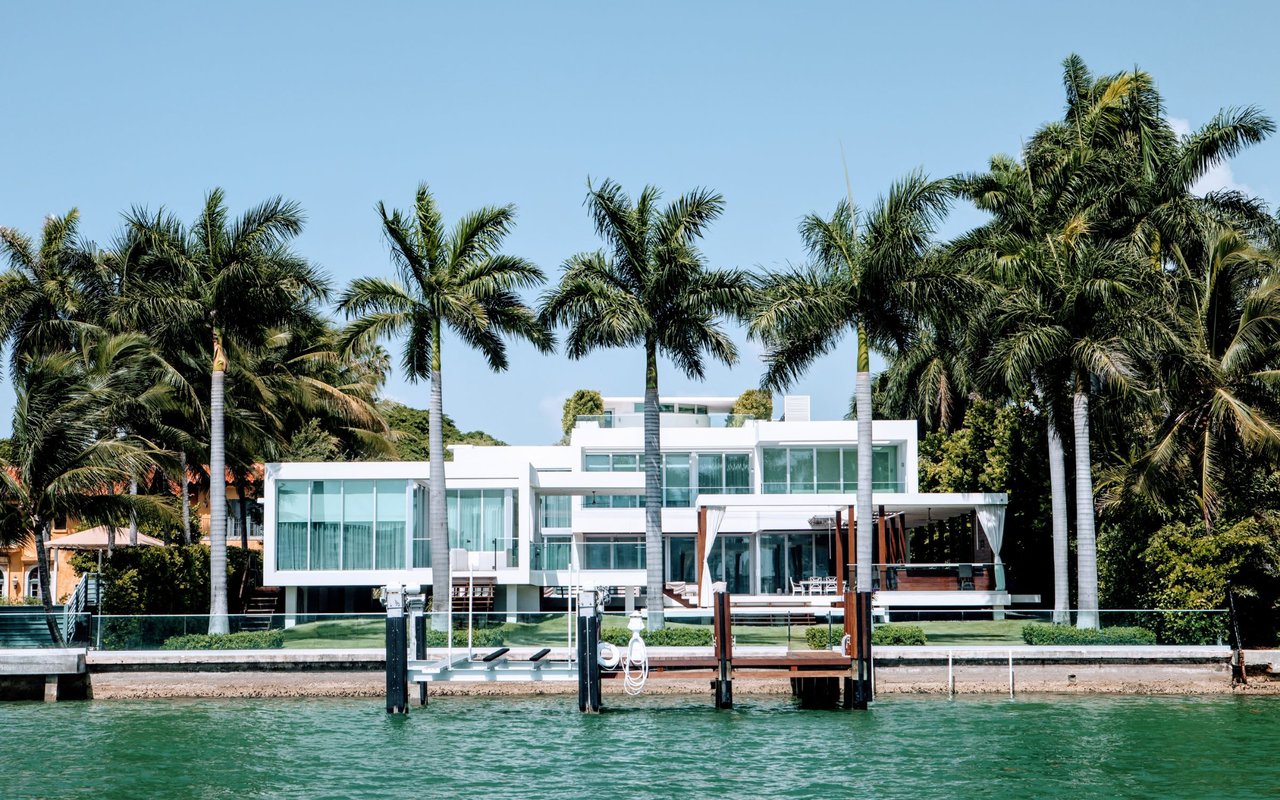
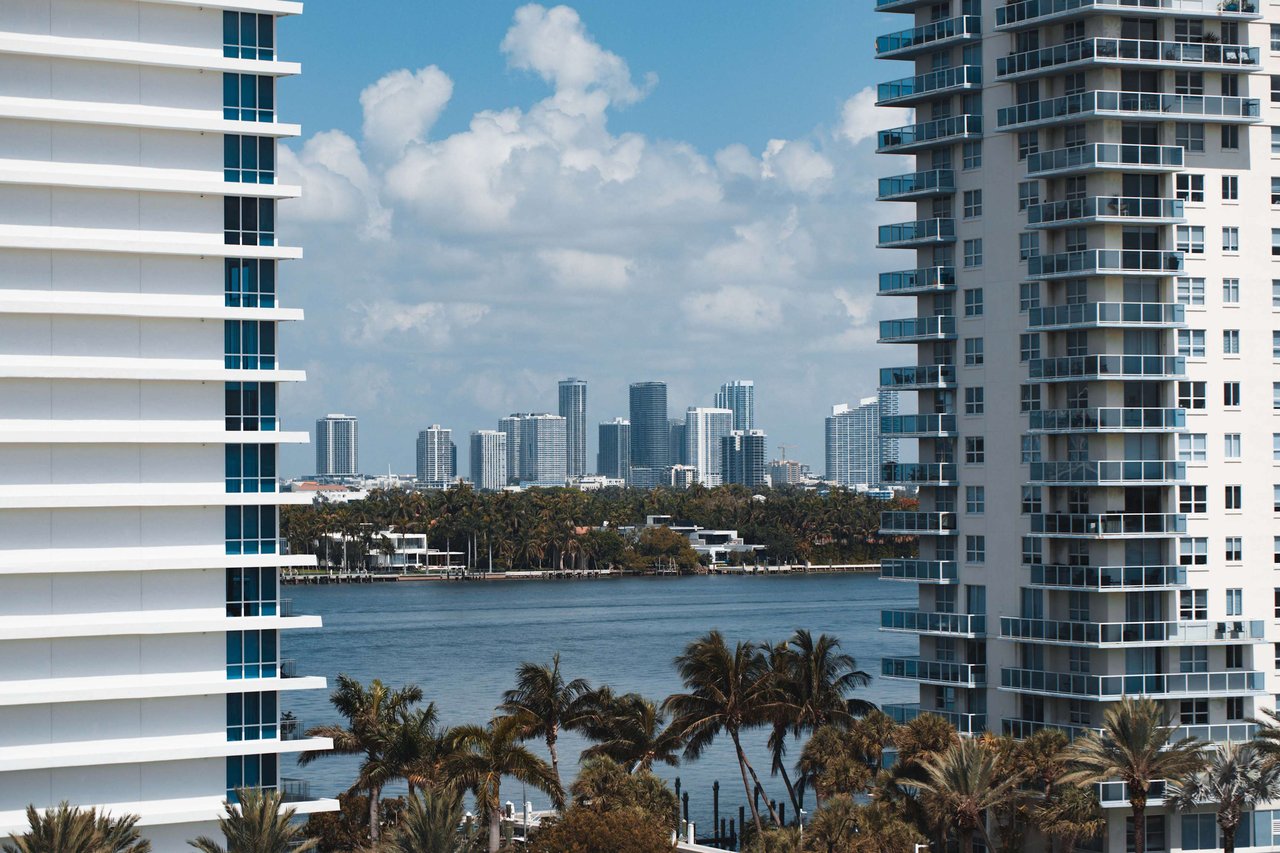
A Miami-Dade County and South Florida Water Management District study estimated Biscayne Bay's contribution to residential property values at $7.9 billion and found meaningful premiums for properties on or near the bay. In practical terms, bay-facing and high-floor water-view units often sit in a scarcity-driven pricing category, while inland skyline-view units tend to compete more on layout, finishes, amenities, and overall building quality.
That does not mean every water-view condo is a better investment. It means you should be clear about what is truly scarce in a given building and what can be replicated a few blocks away.
Older Buildings Can Still Make Sense
Many buyers assume newer automatically means safer, stronger, or easier to resell. In Downtown Miami, that is not always true.
Miami REALTORS reported that in June 2025, Miami-Dade condos in older buildings of 30 years or more sold in an average of 62 days, compared with 79 days for newer buildings. That suggests well-priced legacy towers can remain liquid.
Still, this is where discipline matters. In an older building, you should review reserve funding, inspection history, and the possibility of future assessments before deciding whether the value is real or only looks attractive on the surface.
Rental Strategy Requires Careful Verification
Downtown can be appealing if you want some mix of personal use and rental income. But this is not a market where you should assume every condo works as a short-term rental.
The DDA's 2025 residential analysis found average rent at $4,450 per unit in Greater Downtown. Its short-term rental data showed an average daily rate of $331, average stays of 14 to 15 nights, booking lead times of 30 to 40 days, and about $3,500 in average revenue per listing.
Those numbers may sound promising, but local rules are strict. The City of Miami defines transient use as renting a unit more than three times per year for periods of less than 30 days. The city also states that if more than 25% of a building's units are transient, the building must comply with R-1 standards.
Before operations begin, the city requires a COA or HOA-certified evaluation form, a DBPR lodging license, a Certificate of Occupancy, a Certificate of Use, and a Business Tax Receipt. Miami-Dade County separately defines a short-term vacation rental in condo, cooperative, or apartment buildings as less than 30 days and requires state licensing and tax registration in unincorporated areas.
For most buyers, a 30-plus-day rental strategy or personal-use plan is easier to underwrite than a nightly rental model. The key is to verify the declaration, association rules, and municipal approvals for the specific building before you rely on any rental-income assumption.
The Biggest Risks to Watch
Downtown Miami can be compelling, but it is not a blind-buy market. If you want to invest well, pay close attention to regulation, financing, and supply.
Condo Reserves and Inspections
Florida's post-Surfside condo rules are central to any condo purchase decision. Under current statutes, associations that must obtain a structural integrity reserve study generally cannot vote to provide no reserves or less than required reserves for covered items in budgets adopted on or after December 31, 2024.
Milestone inspections are also a major factor. Phase one is a visual examination by a licensed architect or engineer, and phase two is required if substantial deterioration is identified. If phase two confirms substantial deterioration, repairs must be scheduled or started within the statutory timeline.
These rules affect monthly costs, special assessment risk, financing, and future resale. A lower purchase price does not always mean a better investment if the building has deferred costs waiting in the background.
Financing Conditions and Buyer Leverage
Miami REALTORS reported that elevated mortgage rates, rising condo fees, and potential assessments have weighed on condo sales. In June 2025, Miami existing condo inventory stood at 14.1 months, which the association characterized as a buyer's market.
The same data showed that 49.3% of existing condo sales were cash. For financed buyers, that means building approval, reserves, and lender comfort can shape your options. For cash buyers, it can create leverage, but only if you are still selective.
New Supply Pressure
The roughly 10,000 units under construction across Greater Downtown create both opportunity and competition. In some areas, slower absorption is already visible.
The DDA reported average days on market of 156 in the CBD and 192 in the Arts & Entertainment District during 2024. In practical terms, that means not every tower will perform the same way, even if two listings look similar online.
So, Is Downtown Miami a Smart Condo Investment?
Yes, it can be, but usually for the right buyer with the right building and the right plan. Downtown works best when you value walkability, transit access, cultural anchors, skyline or bay views, and a globally recognizable urban address.
It is especially worth considering if you are comfortable underwriting HOA dues, reserve requirements, possible assessments, and building-specific rental rules. It is less compelling if your plan depends on broad assumptions, especially around short-term rentals or easy resale in an oversupplied segment.
In other words, Downtown Miami is a selective opportunity, not an automatic one. Smart investing here comes down to precision: submarket choice, building governance, view quality, rental flexibility, and your time horizon.
If you want help comparing Downtown towers, pressure-testing rental assumptions, or evaluating how a condo fits your broader Miami investment goals, CASA Collection Group can help you move with clarity and confidence.
FAQs
Is Downtown Miami a good place to buy an investment condo?
- Downtown Miami can be a smart condo investment if you choose carefully by submarket, building quality, reserve health, rental rules, and price point rather than treating the area as one single market.
What makes Greater Downtown Miami attractive to condo investors?
- Greater Downtown offers a large resident and job base, free Metromover service, cultural attractions, waterfront access, and continued development, all of which can support buyer and renter demand.
Are short-term rentals allowed in Downtown Miami condos?
- Some may be, but you should never assume that. City rules are strict, and you need to verify the building declaration, HOA rules, and required city and state approvals before relying on a short-term rental strategy.
Are older Downtown Miami condo buildings riskier investments?
- Not always. Older buildings can still be liquid and appealing when they are well-priced, but you should review reserves, inspection history, and potential assessments very carefully.
Which Downtown Miami submarkets are most important for condo buyers to compare?
- Brickell, the Central Business District, the Arts & Entertainment District, and Edgewater are key submarkets to compare because each has different inventory levels, pricing, pace of sales, and lifestyle appeal.
Why do bay views matter in Downtown Miami condo pricing?
- Bay-facing and high-floor water-view units often command a premium because views tied to Biscayne Bay are relatively scarce and have been linked to meaningful property value benefits in Miami-Dade.
How do Florida condo reserve laws affect Downtown Miami buyers?
- Reserve and milestone inspection rules can affect condo fees, special assessment risk, financing, and resale, so they are a major part of evaluating any Downtown Miami condo purchase.