By CASA Collection Group
Miami Beach real estate investment is genuinely compelling — a finite coastline, a global buyer pool, year-round lifestyle demand, Florida's favorable tax structure, and a luxury market that consistently attracts high-net-worth buyers from across the Americas and Europe. But investing here successfully requires understanding three things that aren't obvious from the outside. We work with domestic and international investors throughout the Beach, and these are the conversations we have before any purchase decision is made.
Key Takeaways
- Short-term rental regulations in Miami Beach are among the strictest in South Florida — understanding zoning before purchasing is essential for investment buyers.
- The Miami Beach market is not uniform: trophy waterfront enclaves, South of Fifth condos, and mid-Beach properties each behave differently and suit different investment strategies.
- Condo association financial health — reserve funds, pending assessments, and insurance costs — has become an increasingly critical factor in investment due diligence.
- Long-term holding with a quality-focused purchase strategy outperforms speculative short-term approaches in this market.
1. Short-Term Rental Regulations Are the Critical First Filter
Miami Beach enforces some of the strictest short-term rental regulations in Florida, and investors who don't understand them before purchasing face serious limitations on their intended use. The city prohibits short-term rentals — defined as stays of less than six months and one day — in single-family homes and most multifamily buildings, depending on the specific zoning district.
This is not a minor administrative detail. It fundamentally changes the investment math for buyers who intend to use platforms like Airbnb or VRBO to generate income. The areas where short-term rentals are permitted are specific and limited — primarily certain commercial districts and buildings that hold specific licenses. Confirming rental permissions for the exact address and building before making an offer is the first thing we do with any investment buyer.
For investors whose strategy is long-term rental income rather than short-term, Miami Beach offers consistent demand from professionals, seasonal residents, and corporate relocators — particularly in South of Fifth, the Venetian Islands, and Sunset Harbor. Long-term rental demand is strong and not subject to the same regulatory risk.
Key Questions to Answer Before Any Miami Beach Investment Purchase
- What is the specific zoning for this address, and does it permit short-term rentals?
- What does the building's governing documents say about rental restrictions?
- Is there a rental history for this unit, and was it operating legally?
- What is the realistic long-term rental demand and achievable rent for this property?
2. Not All Miami Beach Real Estate Behaves the Same Way
Miami Beach is frequently discussed as a single market — it isn't. Trophy waterfront homes on North Bay Road, Palm Island, and the Venetian Islands occupy a fundamentally different investment category than South of Fifth luxury condos, which differ again from mid-Beach and North Beach inventory. Understanding which tier you're investing in shapes everything from your expected holding period to your likely buyer profile at resale.
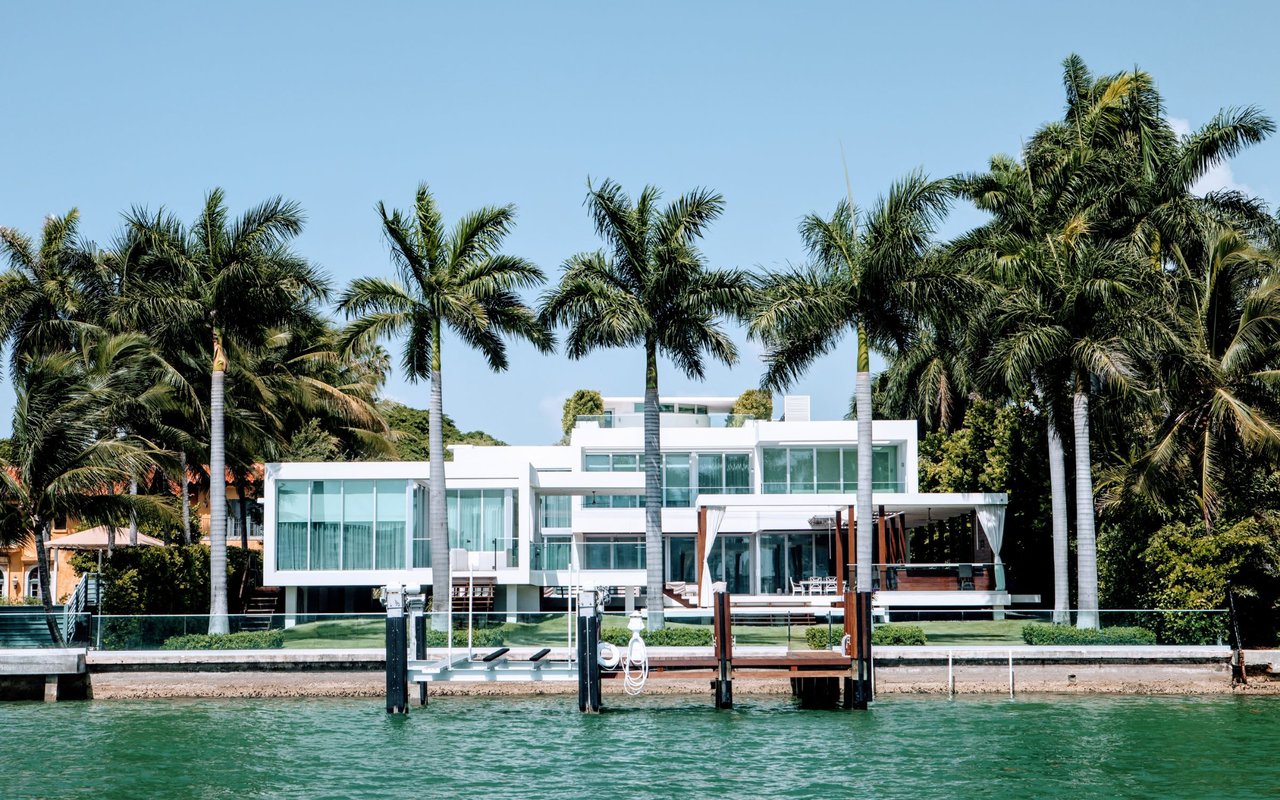
The trophy waterfront tier — bayfront and Intracoastal homes with protected views and gated island privacy — has demonstrated strong price resilience and consistent demand from cash-heavy end-users and international buyers. Inventory here is structurally limited, and properties with strong view orientation and turnkey condition continue to clear at premium prices.
South of Fifth condos in quality buildings with healthy financials represent one of the most active and liquid segments of the Miami Beach market. Buyers in this tier are consolidating into branded towers and high-design buildings with strong amenity packages. Older product with rising HOA fees or dated finishes competes at a disadvantage against newer inventory.
Miami Beach Investment Tiers and What They Suit
- Trophy waterfront (North Bay Road, Palm/Star/Hibiscus, Venetian Islands) — long-term hold; appreciation-focused; cash-dominant buyer pool
- South of Fifth luxury condos — active and liquid; quality building selection critical; strong rental demand
- Mid-Beach and North Beach — lower entry; longer appreciation timeline; emerging demand from younger buyers and value-oriented investors
- Sunset Harbor and Venetian causeway corridor — lifestyle-driven; walkable; strong long-term rental demand from professionals
3. Condo Association Financial Health Is Now a Top-Tier Due Diligence Item
Florida's new condominium inspection and reserve funding requirements — implemented following the Surfside tragedy — have changed the investment calculus for Miami Beach condos meaningfully. Buildings that deferred maintenance and underfunded reserves are now required to address those deficiencies, and the cost is passed through to unit owners via increased HOA fees and special assessments.
For investors, this means that a unit's purchase price and current HOA fee are not sufficient information to evaluate the investment. The building's reserve study, the current funding level relative to the required reserve, pending or anticipated capital projects, and the building's insurance costs all feed directly into the true carrying cost of ownership and the likely trajectory of monthly fees over your holding period.
We review condo financials as a standard part of due diligence on every condo investment we facilitate. A building with healthy reserves, a solid operating history, and no pending litigation is a meaningfully different investment than one with underfunded reserves and deferred capital projects — even if the purchase prices are similar.
Condo Financial Due Diligence Checklist for Miami Beach Investors
- Current reserve fund balance and percentage funded relative to the reserve study
- Pending or anticipated special assessments — ask directly and in writing
- HOA fee history and any scheduled increases
- Building insurance costs and coverage — a significant and rising line item in South Florida
- Pending litigation involving the association
Frequently Asked Questions
Is Miami Beach real estate a good long-term investment?
For the right property and the right strategy, yes — consistently. The structural scarcity of waterfront land, the global buyer pool, Florida's tax advantages, and the lifestyle demand that drives Miami Beach's market create conditions for long-term value preservation and appreciation. The key is buying quality over convenience and understanding the specific tier you're investing in.
How does Florida's lack of state income tax affect the investment calculation?
For high-income investors relocating from high-tax states, establishing Florida domicile provides meaningful tax savings that directly improve the return on a Miami Beach property. We regularly work with buyers for whom the tax advantage is a primary driver of the decision — and it's a real and substantial one.
How do we evaluate whether a specific building is a good investment?
Building quality, financial health, amenity level, and the trajectory of recent sales in that specific building are the primary variables. We provide building-level analysis for every condo purchase we facilitate — not just unit-level comparables — because the building matters as much as the unit in Miami Beach's condo market.
Reach Out to CASA Collection Group Today