If you are looking at Indian Creek, you are not stepping into a typical luxury home purchase. You are entering one of the most private and tightly held residential markets in Miami-Dade, where access, timing, and discretion shape the deal as much as price. Understanding how transactions actually work here can help you move with more confidence, avoid preventable friction, and prepare for the realities behind the headlines. Let’s dive in.
Why Indian Creek works differently
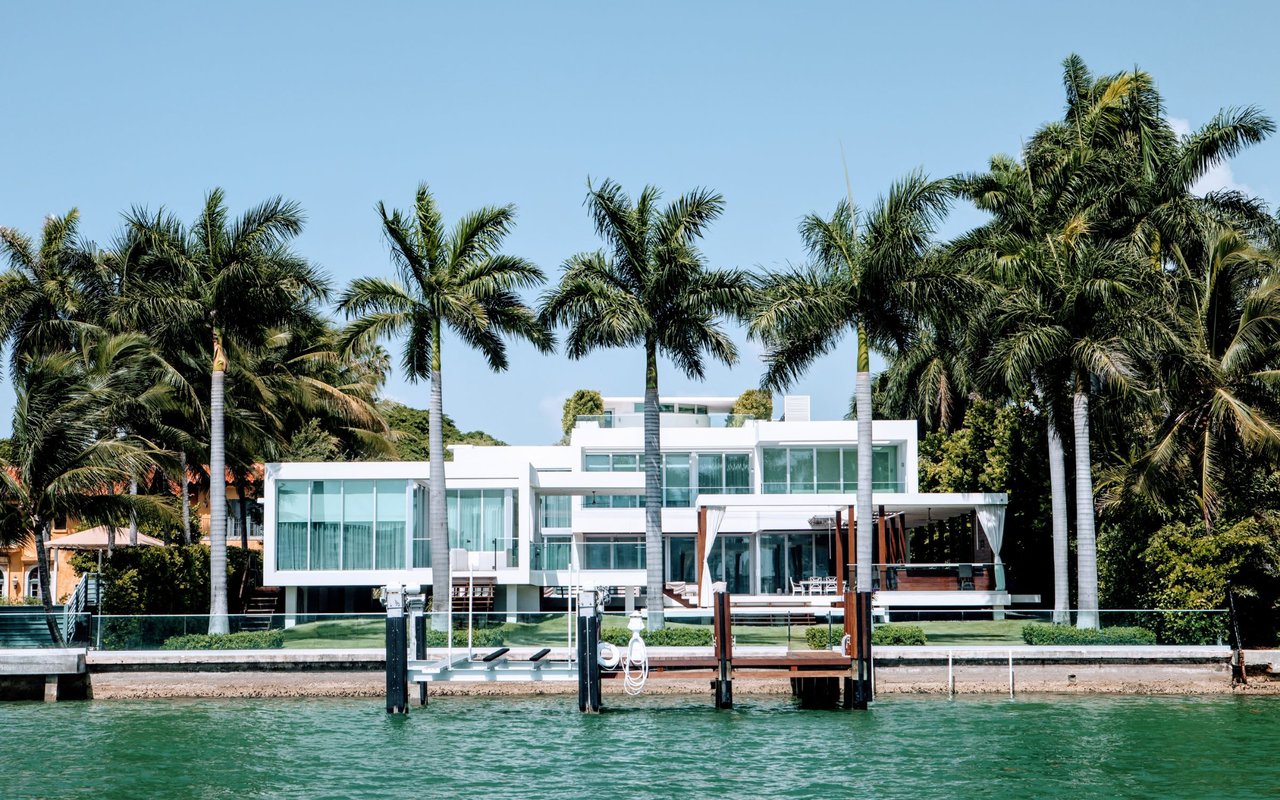
Indian Creek Village is a tiny private municipality on a man-made barrier island in Biscayne Bay. According to the village, it includes 41 platted waterfront home sites, 36 property owners, and 29 estate homes, with the Indian Creek Country Club taking up the rest of the island.
That scale matters. Miami-Dade County’s 2025 preliminary assessment roll lists just 46 real estate parcels in the village, including 29 single-family parcels and 11 vacant lots, with a combined just value of $2.22 billion. In simple terms, supply is extremely limited, and that changes how opportunities come to market and how buyers gain access.
The island is also physically constrained. Access runs through the Surfside Bridge, which the village says it owns and maintains, and that bridge connects to a 1.6-mile private two-lane roadway. This is not a standard neighborhood where showings are scheduled casually and traffic flows freely.
Access is part of the transaction
On Indian Creek, showing a property is not just a calendar event. Access, arrival timing, guest clearance, and privacy expectations are part of the process from the start.
The village maintains its own public safety department and states that its perimeter security project includes equipment designed to identify water-borne activity and alert public safety officials. That means privacy here is supported by real infrastructure, not just reputation.
For buyers, this usually means you need a serious, organized approach before you ever see the home. For sellers, it means representation is often less about broad exposure and more about carefully controlling who enters the process and when.
Many deals are relationship-led
Indian Creek has a documented history of off-market activity. Public reporting has described the 2023 sale of 11 Indian Creek Island Road and the 2024 Bakker estate sale as off-market transactions.
That does not mean every property trades quietly, but it does mean you should not expect this market to behave like a typical list, tour, offer, and close pipeline. In a small, access-controlled setting with few owners and few available homes, opportunities are often relationship-led and timing-driven.
If you are buying, this can mean your search depends on preparation and access rather than waiting for a public listing feed. If you are selling, it can mean your strategy may focus more on qualified introductions, buyer screening, and confidentiality than on mass-market promotion.
Financial vetting happens early
The luxury and ultra-luxury price points in Miami-Dade are high, and Indian Creek sits at the sharp end of that spectrum. Miami Realtors reported that the county’s single-family luxury threshold rose to $4.1 million and the ultra-luxury threshold rose to $13.6 million in the first quarter of 2026.
This is also a cash-heavy market. Miami Realtors reported that 48% of Miami-Dade million-dollar single-family sales were all-cash during January through May 2024.
Because of that, sellers often want clarity on financial strength early in the process. Florida Realtors notes that sellers may request proof of funds or a prequalification letter as part of a counteroffer, and a deposit is not required for a contract to be binding. In practice, that makes buyer vetting a central part of the transaction, especially in a market where privacy and time are both valuable.
The contract is only one stage
In Florida, a signed contract is not the same thing as a completed closing. Florida Realtors states that a transaction is not closed simply because everyone has signed. Closing occurs when the required documents are delivered and all funds have been collected by the closing or escrow agent.
That distinction matters in an ultra-luxury transaction. A high-value deal may involve more moving parts, tighter coordination, and stronger attention to document timing, escrow handling, and final funding.
The standard Florida residential contract also contemplates details such as escrow-agent information, deposit deadlines, title evidence, and financing contingencies. It also states that the purchase price is paid in U.S. currency at closing by wire transfer or other collected funds.
Escrow, title, and recordation still matter
Indian Creek is private, but it is not invisible. The village provides public-records request access, and Miami-Dade County’s Clerk of the Court is the official recorder of deeds, mortgages, liens, and other recordable instruments.
That means even when a home is marketed discreetly, the legal and public record trail still exists. A clean transaction is not just about getting to the finish line. It is also about confirming the record is accurate before and after closing.
Title review is especially important in a market where values are so high and ownership structures can be more complex. Buyers also typically shop for title insurance and other closing services, and careful review of all parties and documents is part of prudent risk management.
Wire security deserves extra attention
High-end transactions can attract fraud attempts, especially near closing. The Consumer Financial Protection Bureau warns that mortgage-closing scams can target buyers by impersonating agents or settlement providers and sending false wire instructions.
In practical terms, you should treat wire instructions as a security issue, not a routine email attachment. Verifying instructions directly with the closing or settlement party through a trusted method can help reduce risk.
On a transaction with this much value, small verification habits matter. Strong process protects both speed and peace of mind.
Property diligence goes beyond finishes
On Indian Creek, due diligence is not just about architecture, views, or dockage. The village’s comprehensive plan states that it enforces Land Development Regulations and the Florida Building Code, and village staff periodically review homes for compliance.
That makes permit history, renovations, and code compliance important parts of the transaction. On a trophy property, a beautiful result is only part of the story. You also want clarity on whether prior work was properly handled and how the property aligns with current village requirements.
Miami-Dade also offers official deed-fraud resources, which adds another reason to examine records carefully. In a market where privacy is prized, record cleanliness still matters.
Why timing is so sensitive
Because inventory is limited and many opportunities may be quietly circulated, timing can shape leverage on both sides. A buyer who is financially organized and ready for controlled access can move faster when the right property surfaces.
A seller who wants discretion may prioritize certainty and smooth execution over broad visibility. In this setting, timing is not just about market conditions. It is also about coordinating access, preserving privacy, and aligning the expectations of a very small and selective buyer pool.
This is where strong representation becomes operational, not just promotional. The job is to keep access, vetting, diligence, and closing steps moving in sync.
Indian Creek versus other islands
Indian Creek is often grouped with other elite island markets, but its structure is distinct. Compared with Bal Harbour, it is more physically closed and more purely residential in character.
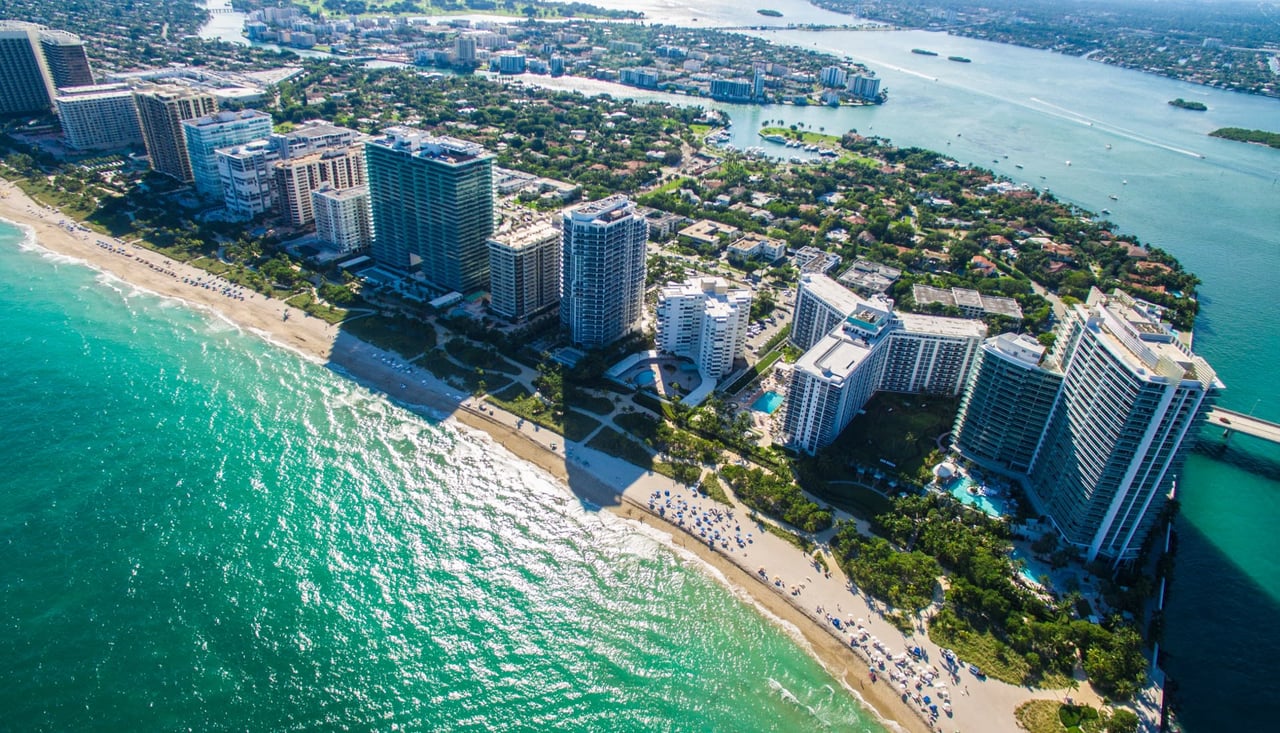
Bal Harbour’s official materials describe a one-square-mile village with road access, luxury shopping, hotels, and beach amenities. Indian Creek, by contrast, is a tiny private municipality centered around estate homes, one bridge, a private roadway, and the country club land use pattern.
Compared with Fisher Island, Indian Creek is bridged rather than ferry-served. But both communities rely on access control as part of their market structure. Those differences affect the transaction process, especially around showing logistics, guest clearance, and privacy management.
What buyers should expect
If you are trying to buy on Indian Creek, expect a more curated process than in most luxury neighborhoods. You may need to be ready before a formal opportunity is widely visible.
A practical buyer approach usually includes:
- Clear proof of funds or financing readiness
- Flexible scheduling for controlled access
- Patience with discreet communication and timing
- Careful review of title, permits, and property records
- Strong wire-security habits before closing
The goal is not just to win the property. It is to show that you can complete the transaction smoothly in a market where discretion and certainty carry real weight.
What sellers should expect
If you are selling on Indian Creek, expect privacy and buyer quality to play a larger role than volume. In many cases, serious screening and controlled access can be more valuable than broad traffic.
A practical seller strategy often focuses on:
- Defining confidentiality expectations early
- Preparing records for title and diligence review
- Organizing permit and renovation documentation
- Vetting financial capacity before deep engagement
- Coordinating showing logistics carefully
In a market this small, execution can shape outcomes just as much as exposure. Serious buyers notice when the process is clean, organized, and well managed.
For clients navigating high-touch Miami-Dade transactions, CASA Collection Group brings direct guidance, disciplined execution, and a luxury service mindset from first conversation through closing.
FAQs
How is an Indian Creek home transaction different from a typical Miami luxury sale?
- Indian Creek transactions are shaped by very limited inventory, controlled access, documented off-market activity, early financial vetting, and careful coordination around privacy, diligence, and closing logistics.
Are Indian Creek properties often sold off-market?
- Public reporting shows that some notable Indian Creek sales have been off-market, which supports the idea that this area often operates through relationship-led and confidential deal flow rather than broad public exposure alone.
What should buyers prepare before pursuing an Indian Creek property?
- Buyers should be ready with proof of funds or financing strength, flexible scheduling for access, a plan for title and permit review, and strong attention to secure wire procedures before closing.
Do Indian Creek real estate deals still become public record?
- Yes. Even in a private enclave, deeds, mortgages, liens, and other recordable instruments are recorded through the Miami-Dade County Clerk, so a legal public record trail still exists.
Why is permit and code review important for Indian Creek homes?
- The village states that it enforces Land Development Regulations and the Florida Building Code, so renovation history, permit status, and compliance can be important parts of due diligence on high-value properties.