By Marco Tiné
Pricing is the biggest decision you’ll make when you sell, and in Miami Beach it carries extra weight. One strong first impression online can shape every offer that follows, so I want you to start with a number you can defend. Let me show you how I approach it, from the block you live on to the buyers you hope to reach.
Key Takeaways
- Recent comparable sales set your starting range.
- Views, water access, and condition shift value block by block.
- Condo buyers weigh association finances before they weigh finishes.
- Pricing right in week one beats cutting later.
Start With Comparable Sales in Your Miami Beach Neighborhood
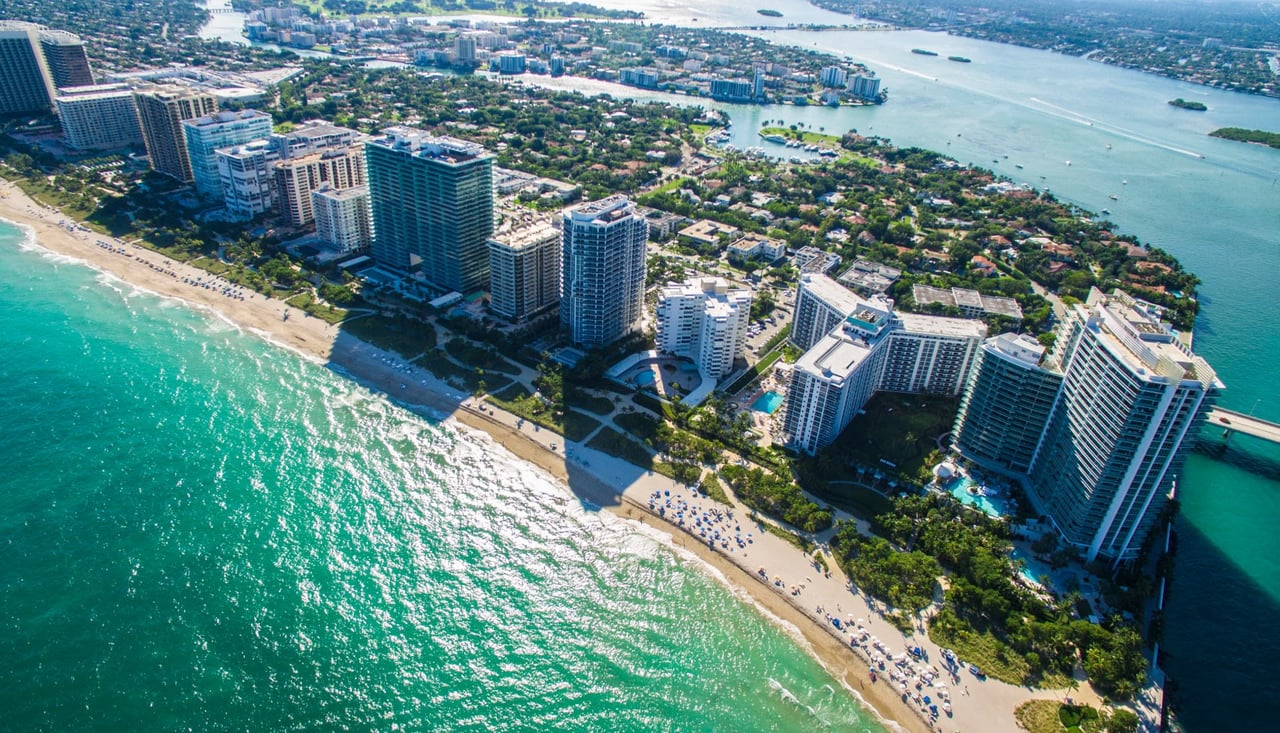
Every pricing strategy begins with recent sales of similar homes nearby. In Miami Beach, “nearby” can mean a few blocks, since South of Fifth, La Gorce, Sunset Islands, and Normandy Isles each trade on their own terms. I look at closed sales first, then active and pending listings. Closed sales show what buyers paid, while active listings show your competition.
What to Compare Side by Side
- Square footage, lot size, and bedroom and bathroom count.
- Distance to the ocean, Biscayne Bay, or a canal.
- Age, renovation level, and quality of finishes.
- Price per square foot, used as a guide rather than a rule.
Make sure you compare homes sold within roughly the last six months. Older sales can mislead you in a market that moves with the seasons.
Account for What Makes Your Property Unique
Luxury buyers pay for features that comps can’t always capture. A direct ocean view along Collins Avenue, a corner lot, or a private dock can each change what a buyer is willing to pay.
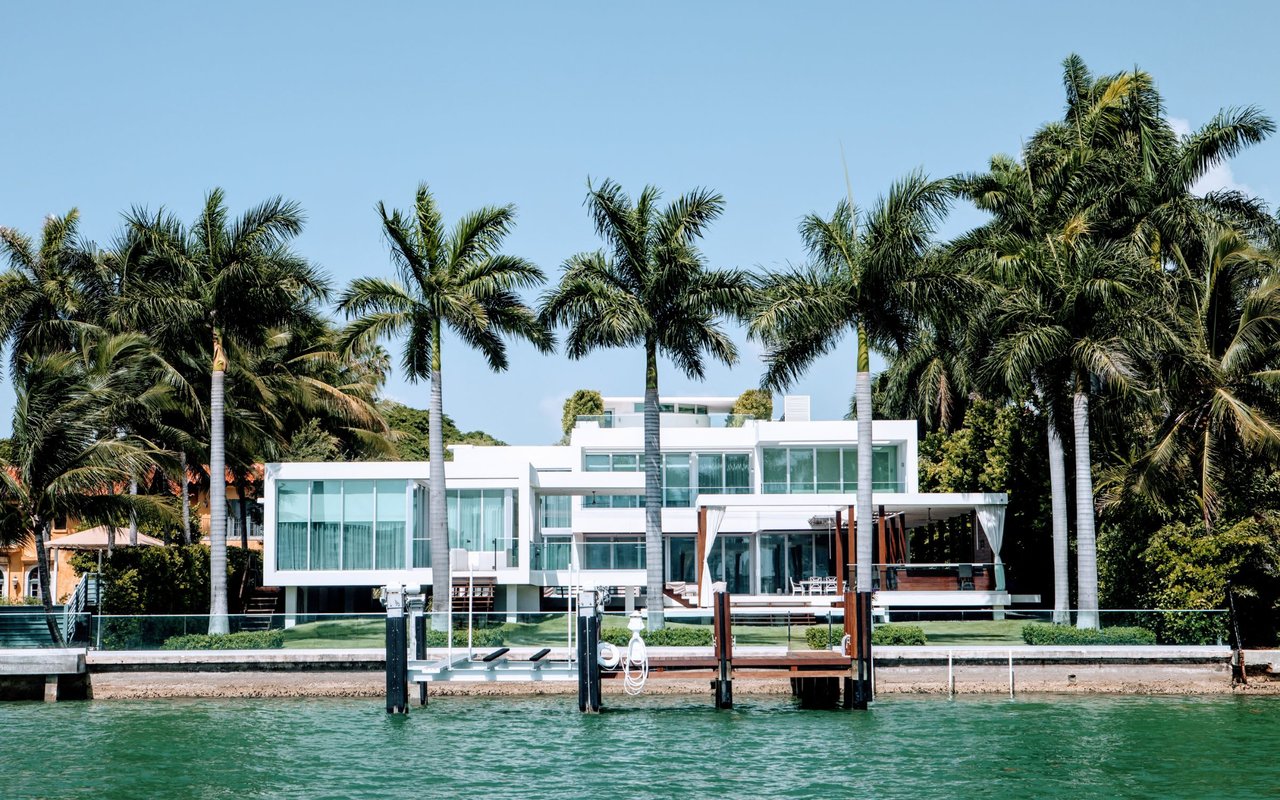
On the islands, waterfront details matter even more. Buyers look closely at the seawall, dock length, and boat lift before they look at the kitchen.
Features That Often Move the Price
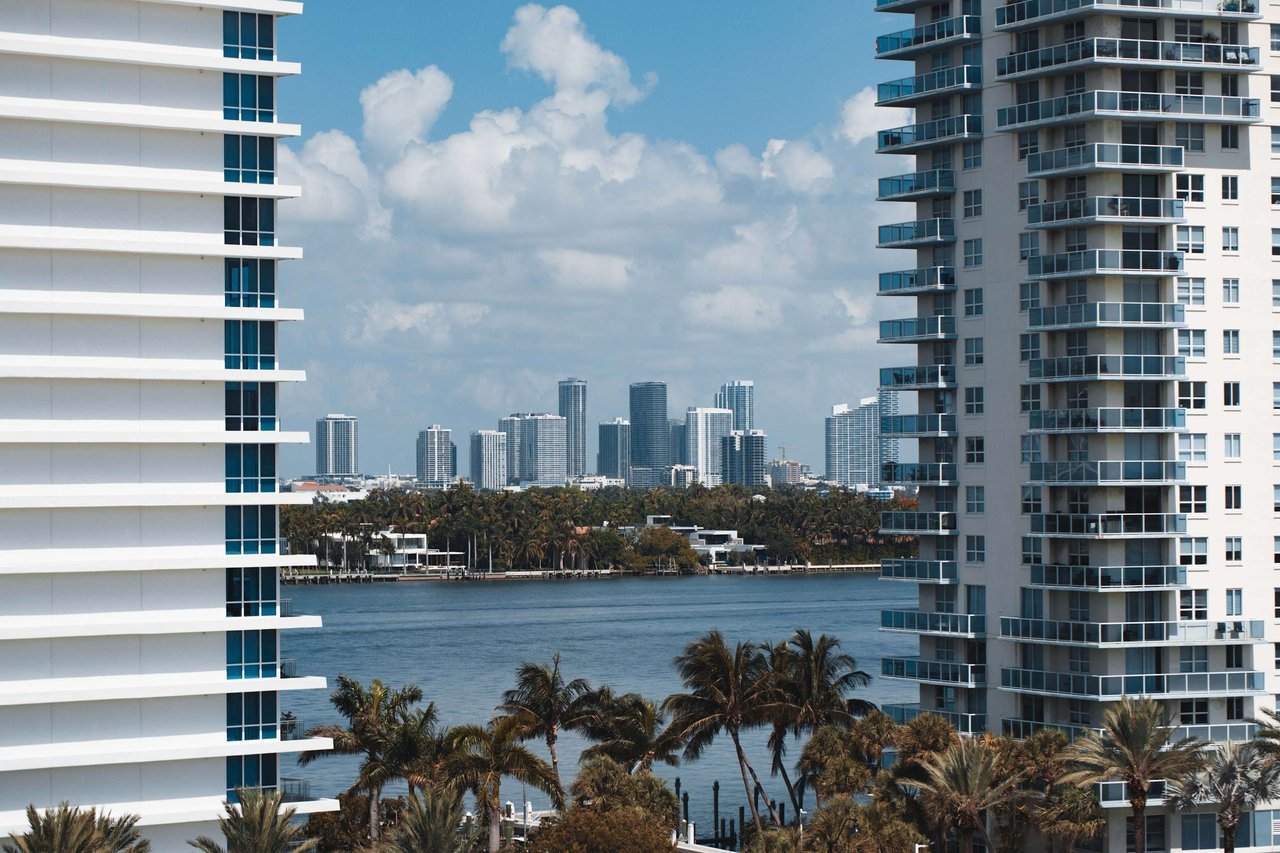
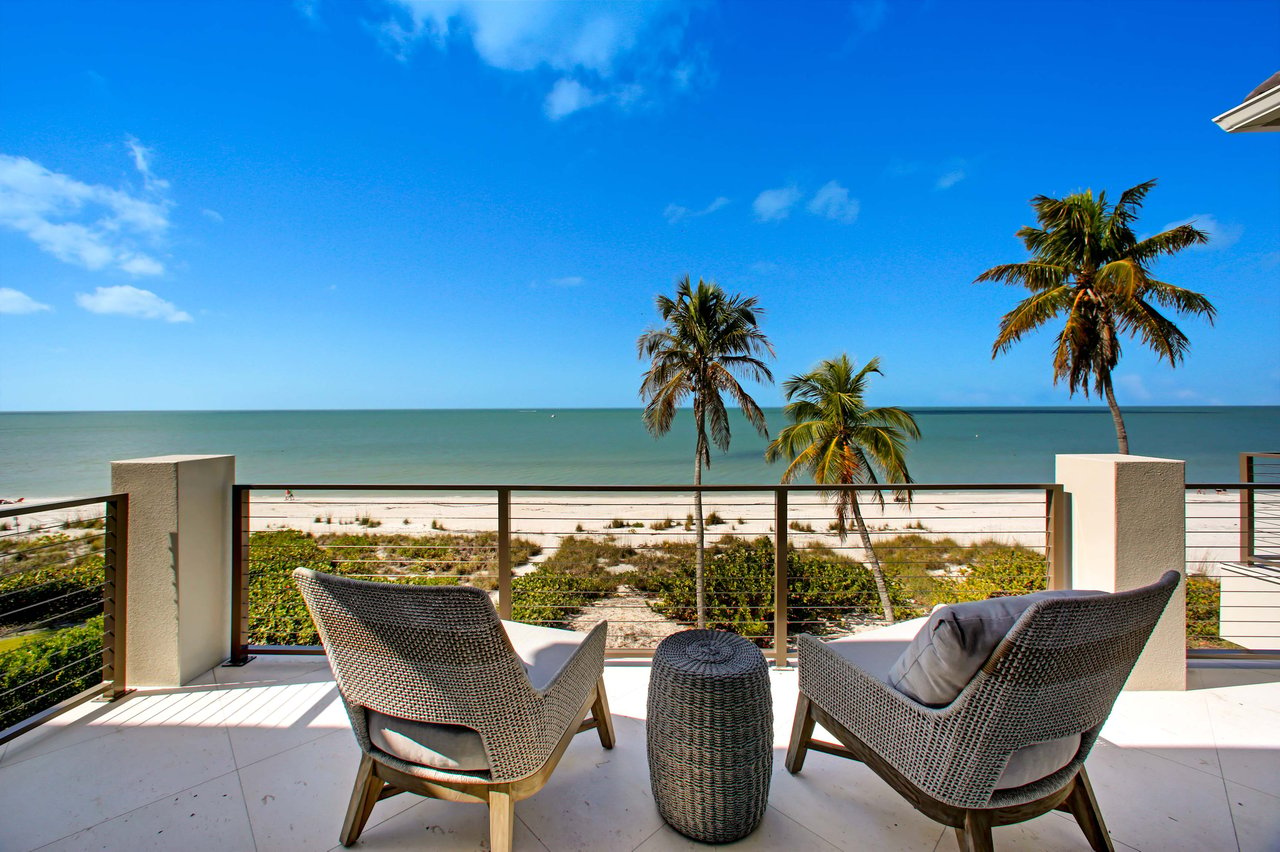
- Ocean, bay, or skyline views and the direction they face.
- Deepwater dockage, seawall condition, and bridge clearance for yachts.
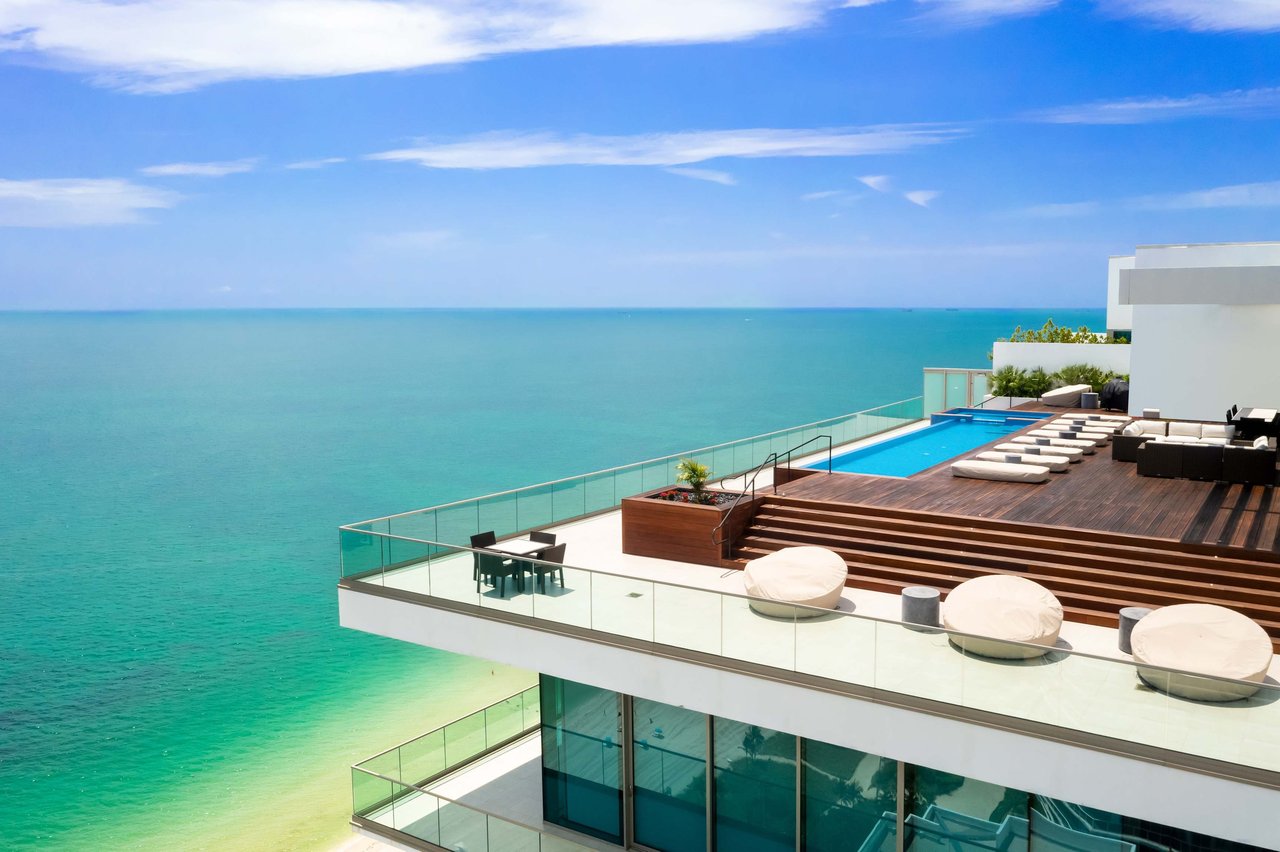
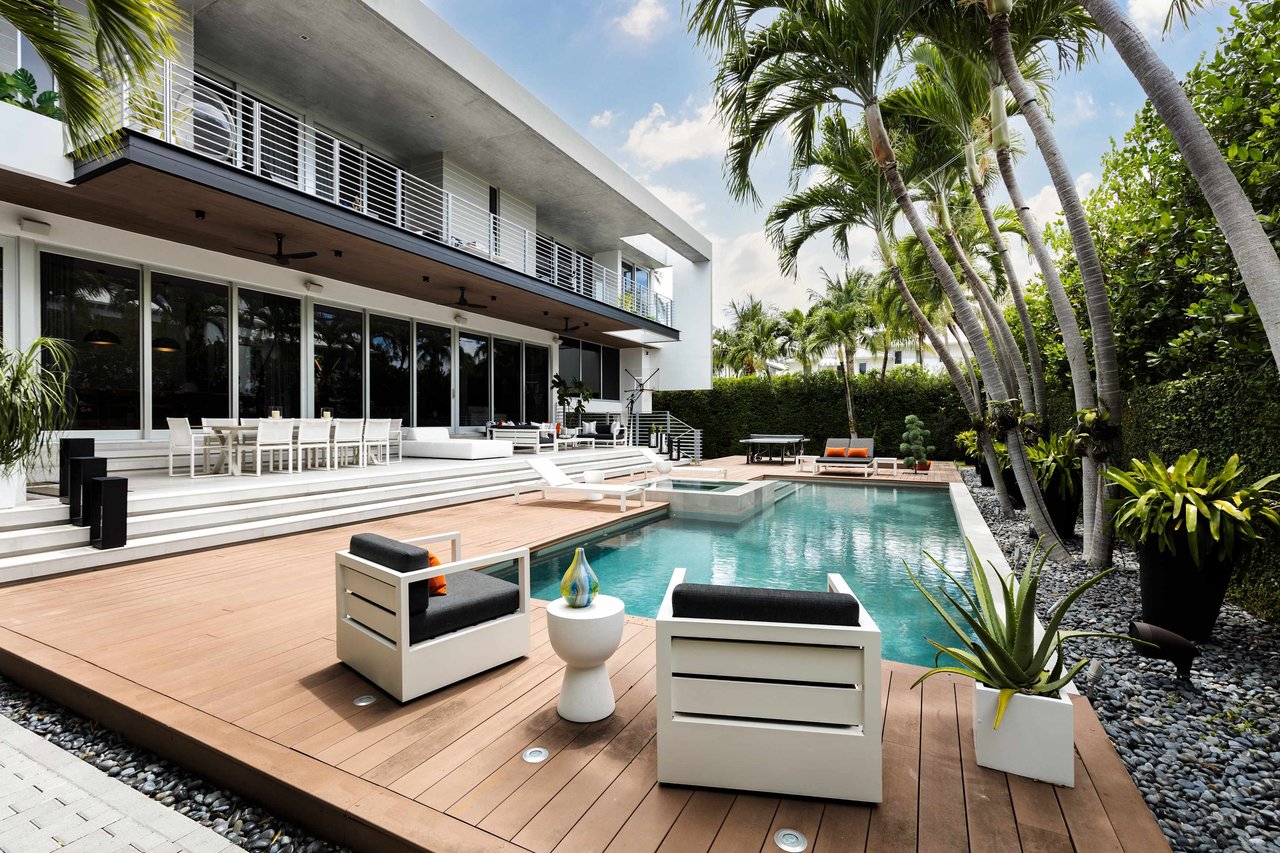
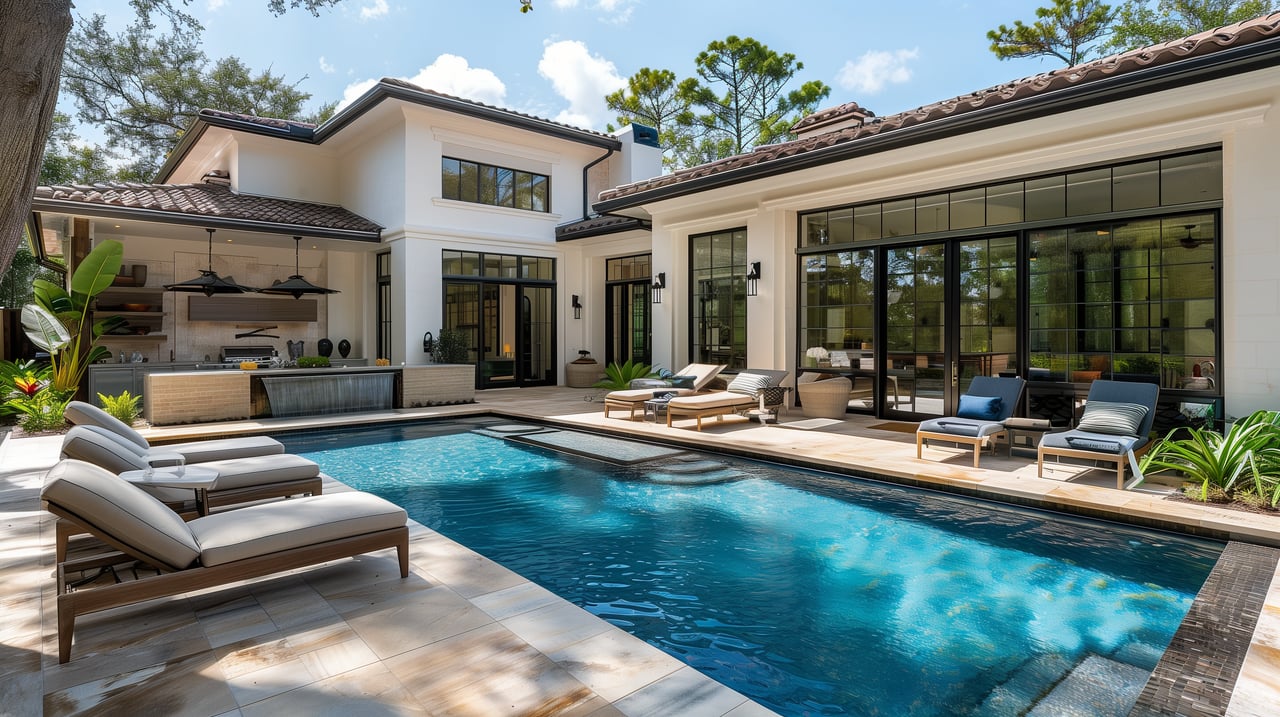
- Outdoor living space, including pools, terraces, and summer kitchens.
- Walking distance to Lincoln Road, South Pointe Park, or the Miami Beach Golf Club.
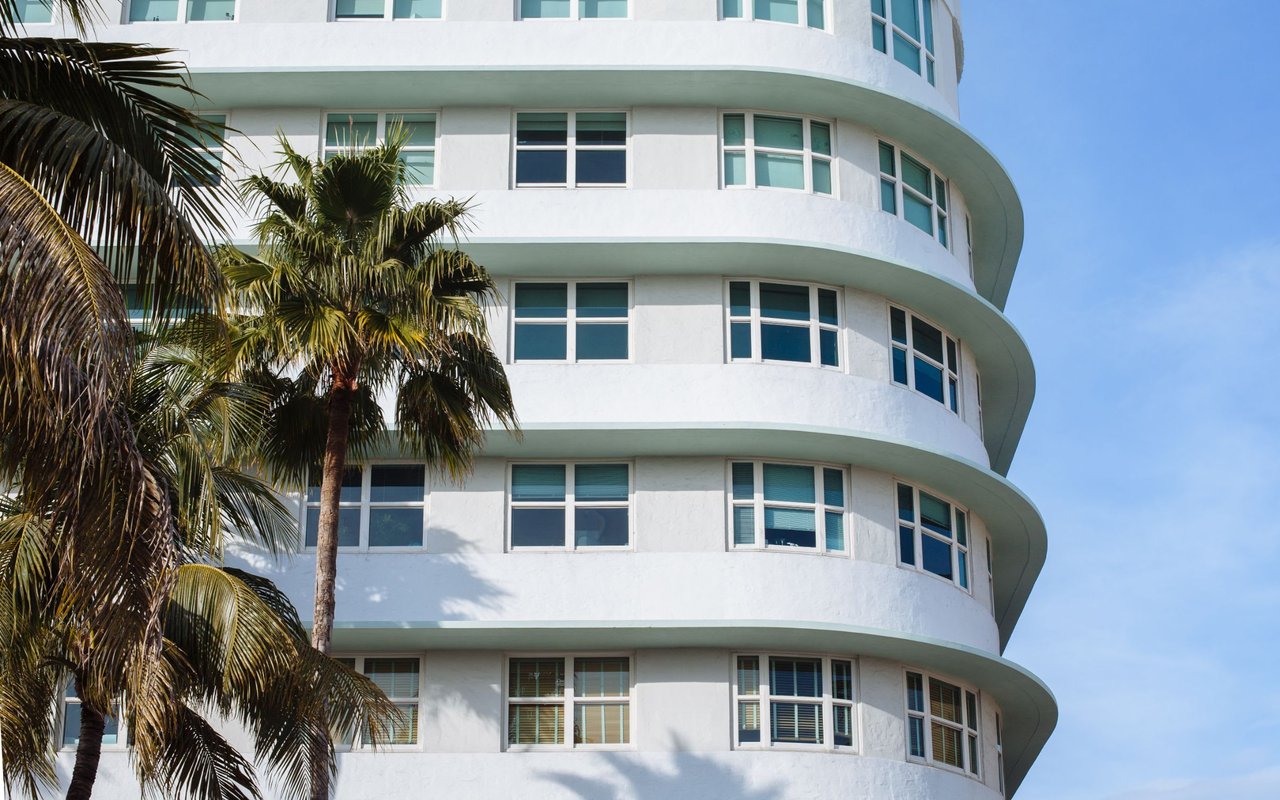
If your home sits in the Art Deco Historic District, buyers will ask about renovation rules. Have those details ready, since clear answers build confidence.
Understand How Condos and Single-Family Homes Price Differently
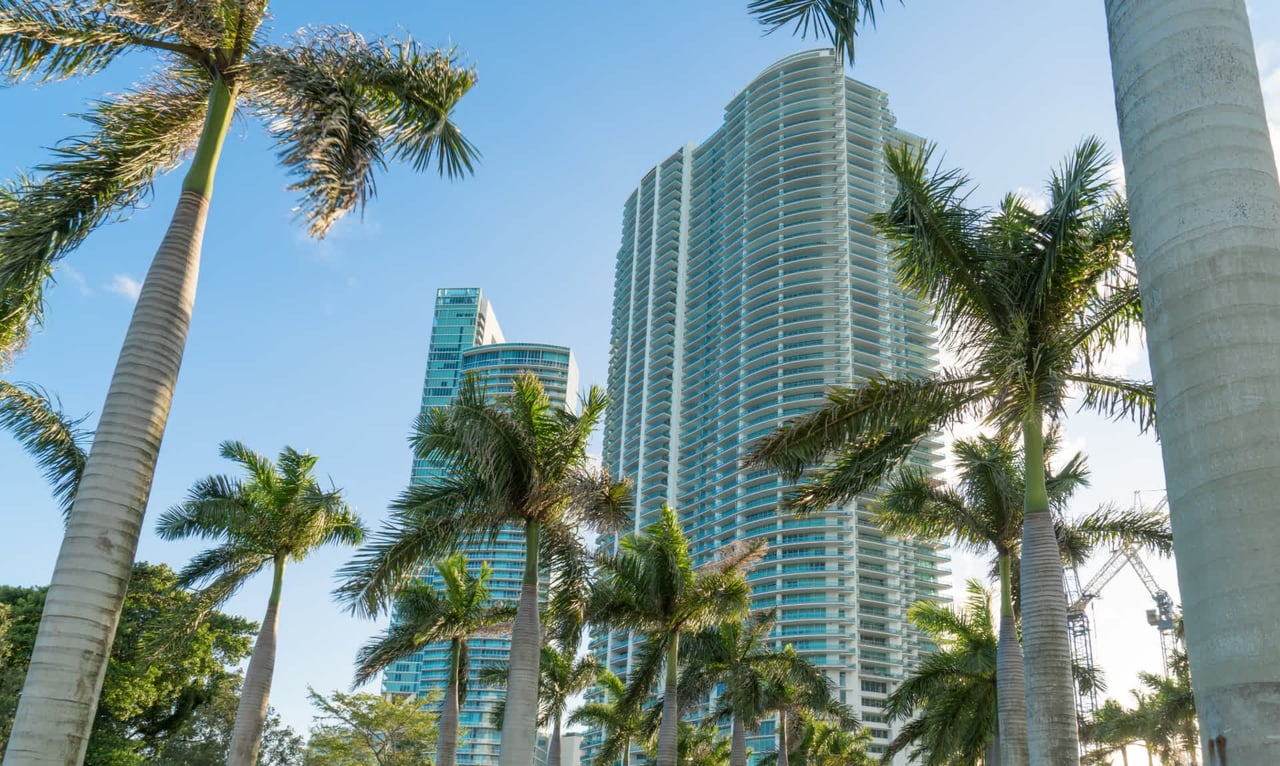
Condominium pricing in Miami Beach depends heavily on the building. Two units with the same floor plan can price very differently based on view, floor level, and building reputation.
Buyers also study association financials closely. They review monthly fees, budgets, reserves, and any planned assessments before they make an offer.
What Condo Buyers Review First
- Monthly association fees and what they cover.
- Reserve funding and any upcoming special assessments.
- Building amenities like pools, spas, and private beach service.
- Rental and pet policies that affect how they can use the unit.
For a single-family home or estate, the focus shifts to land, privacy, and condition. Lot size and frontage often drive value as much as the house itself.
Use Timing and Seasonality to Your Advantage
Miami Beach has a clear rhythm. Winter brings seasonal residents and visitors, and events like Art Basel Miami Beach in December put the city in the spotlight.
Many buyers tour during these months, so it helps to be live on the market before they arrive. Preparing in the fall gives you time to price carefully and present your home well.
Timing Moves Worth Considering
- Complete repairs and staging before photography, not after.
- List before the winter season builds momentum.
- Plan showings around your property’s best light, like golden hour on the water.
I use a pre-listing review to confirm the price against current activity. Make sure your number reflects the market you’re listing into, not the one from last year.
Avoid the Most Common Pricing Mistakes
The most common mistake is pricing too high and planning to adjust later. The first two weeks on market draw the most attention, and an overpriced listing can lose that window.
Another mistake is ignoring how buyers search. Many online searches use round price ranges, so a price just under a major threshold can place your home in front of more buyers.
Pricing Pitfalls to Sidestep
- Basing your price on what you paid or what you need to net.
- Counting renovation costs dollar for dollar without checking buyer demand.
- Skipping a review of condition items like roofs, windows, and seawalls.
- Waiting too long to adjust when showing feedback points to a gap.
Top-performing listings usually start with a price that matches the market. Strong early activity often leads to better terms as well as a better number.
Frequently Asked Questions
How do I know what my Miami Beach home is worth?
I start with recent comparable sales in your specific neighborhood, then adjust for views, condition, and unique features. A tailored market review gives you a realistic range you can rely on.
Should I price above market to leave room to negotiate?
I don’t recommend it, because overpriced homes can miss the strongest buyer interest in the first weeks. A well-supported price tends to attract serious offers sooner.
When is the best time to list a home in Miami Beach?
Fall preparation followed by a winter launch lets you reach seasonal buyers when activity picks up. I can help you build a timeline that fits your goals.
Contact Me Today
Pricing your Miami Beach home to sell takes local knowledge, current data, and a clear strategy. Reach out to me, Marco Tiné, at Casa Collection Group, and I’ll help you build a pricing plan that fits your property and your timeline.
Whether you own a condo near South Pointe Park or an estate on Star Island, I’ll make sure you step into the market with confidence. Contact me today, and let’s set the right number from day one.