If you picture Miami waterfront living as a wall of towers or a nonstop resort strip, Coconut Grove will likely surprise you. Here, life along the bay feels more layered, more residential, and more connected to parks, marinas, and tree-lined streets. If you are exploring a move, a purchase, or a sale in the Grove, understanding that mix can help you make a smarter decision. Let’s dive in.
What Makes Coconut Grove Waterfront Living Distinct
Coconut Grove’s waterfront is shaped by Biscayne Bay, but it is not defined by a single type of property or lifestyle. City of Miami planning materials describe the Coconut Grove Waterfront Area, often known as Dinner Key, as the coastal core running from Peacock Park to Kennedy Park, including the islands and anchorages.
That matters because the area is planned as more than a scenic edge. The city’s long-term vision emphasizes public open space, waterfront promenades, and stronger pedestrian connections, which helps explain why the Grove’s bayfront feels active and accessible rather than closed off.
The broader character of the neighborhood also plays a big role. City planning documents tied to Coconut Grove’s Neighborhood Conservation Districts highlight the area’s historic legacy, architectural variety, cultural diversity, natural aesthetic, walkable character, and access to water.
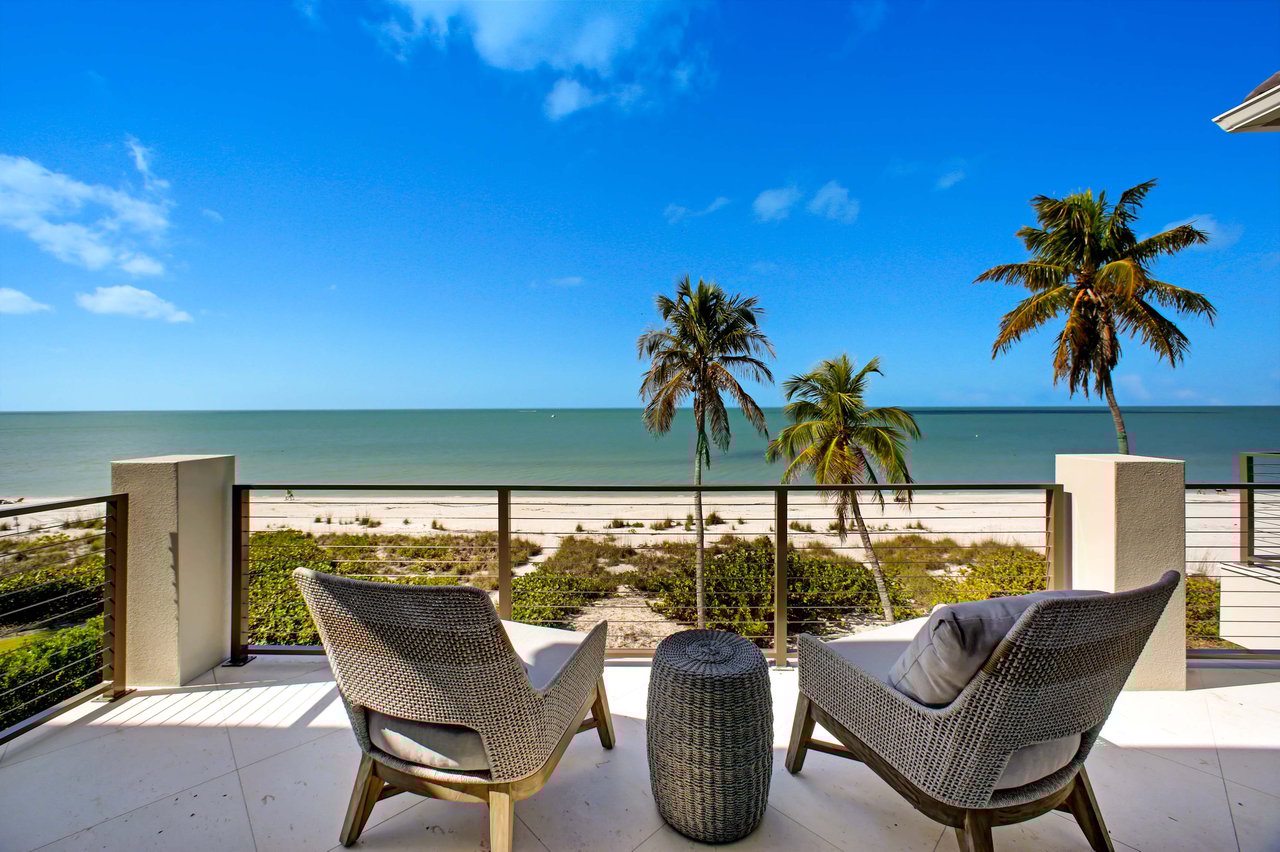
In practical terms, Coconut Grove waterfront living feels more like a bayfront village than a beachfront corridor. You get marinas, parks, mooring fields, and preserved residential pockets, all tied together by a lower-scale, canopy-rich environment.
Waterfront Homes in Coconut Grove
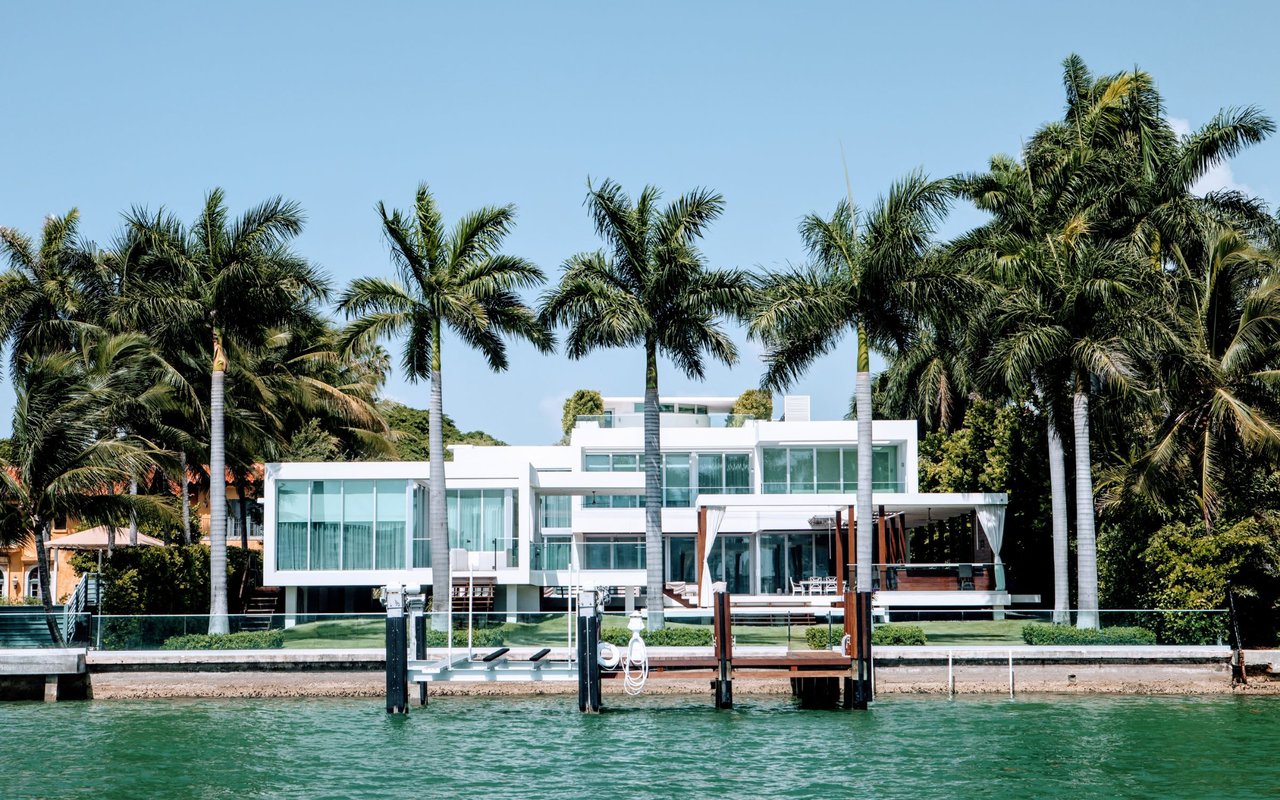
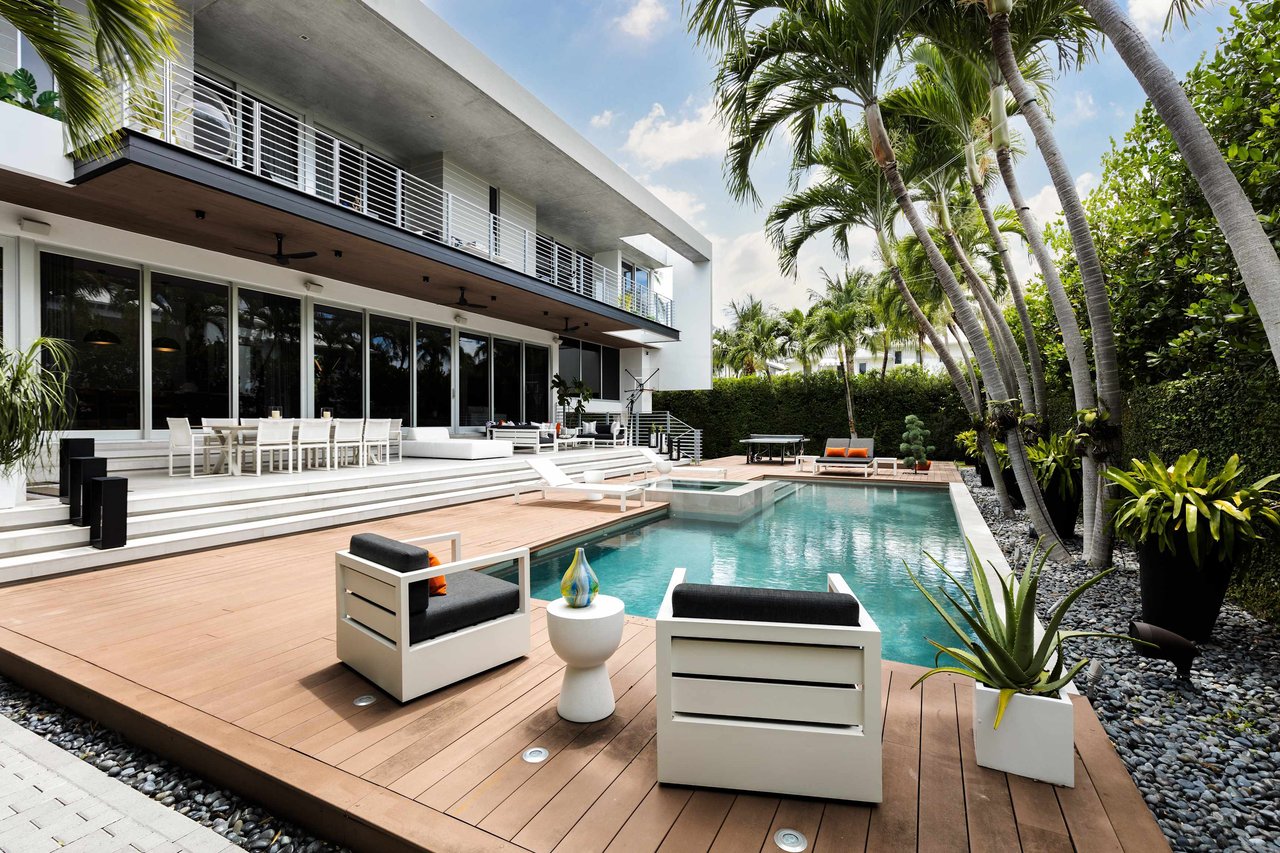
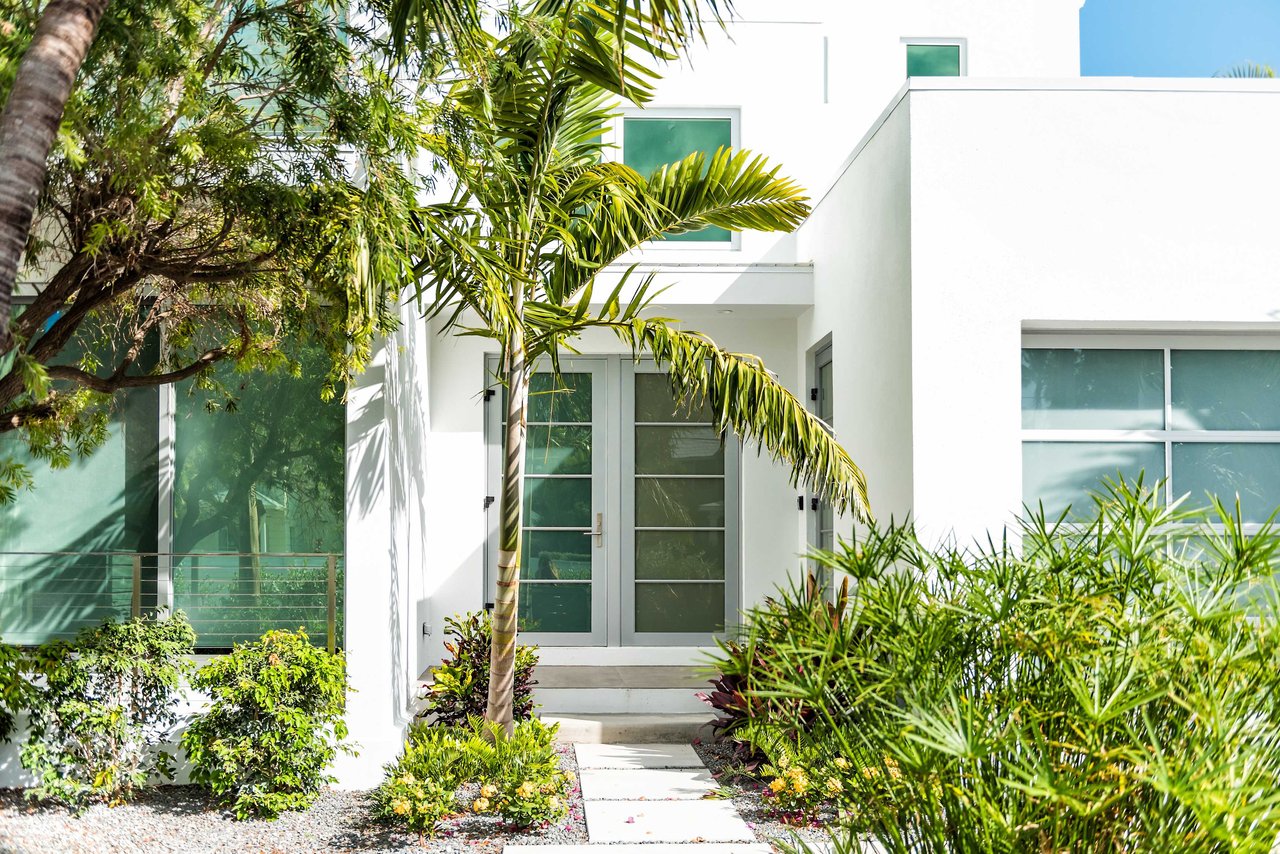
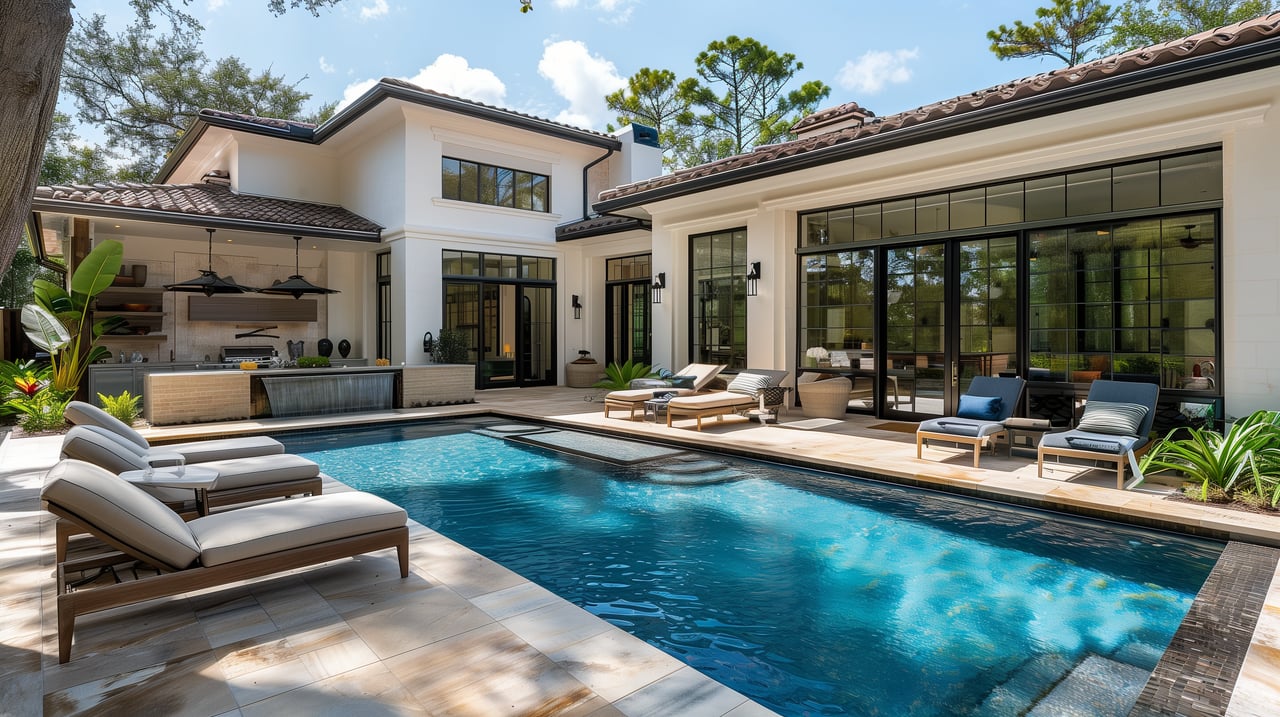
One of the most appealing parts of Coconut Grove is its variety. The waterfront housing mix is not uniform, which gives buyers and sellers several very different product categories within the same neighborhood.
City of Miami HOA records include condominium communities such as The Cloisters on the Bay, Grove Towers Condo, Yacht Harbour Condo, Grove Isle Association, and Two Park Grove Condominium. Those communities sit alongside homeowners associations and estate-style enclaves such as Bay Heights and De Garmo Estates.
That range suggests you can find everything from bay-adjacent condos and townhomes to estate-oriented residential settings. For buyers, it means your search can be shaped by how you want to live, whether that is lock-and-leave convenience, full-time waterfront living, or more privacy and lot size.
For sellers, this variety also means positioning matters. A condo near the marina, a townhome close to the village center, and an estate in a preserved residential pocket will each attract a different audience and require a different presentation strategy.
Historic Homes Add Character
Coconut Grove’s waterfront story is not only about newer luxury inventory. Historic properties are part of the neighborhood’s identity, which gives the area a sense of continuity that many waterfront districts do not have.
The Barnacle Historic State Park sits directly on Biscayne Bay and includes a home built in 1891. Florida State Parks identifies it as the oldest house in Miami-Dade County still standing in its original location.
Nearby, the Marjory Stoneman Douglas House adds to that historic context. Together, these landmarks reinforce the Grove’s established, low-rise feel and help explain why waterfront living here often feels more residential and grounded than flashy.
Northern Coconut Grove Offers Another Angle
Not every waterfront experience in the Grove looks the same. Northern Coconut Grove offers a slightly different expression of bayfront living, shaped by open space and natural surroundings.
Alice Wainwright Park is officially described by the City of Miami as a 28-acre waterfront park and nature preserve. With tropical hammock landscape, picnic areas, and wide Biscayne Bay views, it adds another layer to the lifestyle appeal of the neighborhood.
Marinas and Boating Access
For many buyers, boating is a major reason to focus on Coconut Grove. If that is part of your lifestyle, Dinner Key Marina is one of the neighborhood’s defining features.
According to the City of Miami, Dinner Key Marina has 587 wet slips and 250 moorings. It accommodates boats from 30 to 135 feet length overall and serves transient, seasonal, long-term, and liveaboard customers.
The marina also offers practical amenities that matter in day-to-day use, including parking, laundry, restrooms, a dinghy dock, shuttle service, and pump-out service. The city also notes that it is within walking distance of groceries, dining, shopping, City Hall, and CocoWalk.
That combination is a big part of Coconut Grove’s appeal. You are not just near the water. You are near an operating marina that connects boating life with the neighborhood’s everyday rhythm.
Public Waterfront Access Matters Here
Coconut Grove is not only for boat owners or direct waterfront homeowners. The public waterfront system is a meaningful part of the neighborhood experience.
The City of Miami’s master plan references the Coconut Grove Sailing Club site, inner and outer mooring fields, Seminole Dock with a public boat ramp, Peacock Park, and Kennedy Park. The plan is designed to connect these elements through promenades, open spaces, and improved shoreline access.
That creates a more inclusive waterfront environment. Even if you do not keep a boat, you can still enjoy the shoreline as part of daily life.
Parks Along the Bay
The Grove’s waterfront lifestyle is just as much about parks as it is about private real estate. Several public parks create easy ways to spend time near the bay without needing a membership, marina slip, or direct frontage.
Peacock Park includes waterfront access, picnic tables, a playground, bike racks, open areas, and dog-friendly leash rules. It works well as both a neighborhood gathering place and a scenic bayfront stop.
David T. Kennedy Park offers waterfront access, bicycle paths, a dog park, picnic tables, a playground, and outdoor gym equipment. Regatta Park adds a boat ramp, picnic tables, waterfront open space, and another reason residents circulate through the bayfront regularly.
These parks shape how the waterfront feels on an ordinary day. Instead of a private edge, the bay becomes part of your routine, whether that means walking the dog, meeting friends, exercising, or simply taking in the view.
Walkability and Village Life
A major reason Coconut Grove stands apart from other waterfront neighborhoods is that the water connects naturally to the village center. You are not choosing between being near the bay and being near daily conveniences.
The neighborhood’s walking and biking identity is reinforced by the Commodore Trail. Coconut Grove BID materials describe it as a historic route along the coastal ridge and hammock forests between the Rickenbacker Causeway and Cocoplum Circle.
That trail helps explain why the Grove feels unusually walkable and bike-friendly for a waterfront district. It also supports the daily lifestyle many buyers want, where parks, marinas, restaurants, errands, and green space all feel connected.
Where Daily Life Happens
Day-to-day living around the waterfront centers on several key nodes. City and BID sources point to Peacock Park, Kennedy Park, Regatta Park, CocoWalk, Regatta Harbour, and the Grove Metrorail Station as places where residents gather, move through errands, dine, and access the bay.
The Coconut Grove BID also plays an active role in the commercial core by supporting cleanliness, security, streetscape beautification, parking access, special events, and projects tied to waterfront access and tree-canopy replacement. That helps the village center feel curated and pedestrian-oriented.
For buyers, this means the lifestyle is not just scenic. It is functional. For sellers, it means location value is often tied to how easily a property connects to both the waterfront and the village core.
Getting Around Coconut Grove
Mobility is another important part of the local story. In May 2026, the Coconut Grove BID launched an all-electric on-demand shuttle linking places such as Peacock Park, CocoWalk, Regatta Harbour, and the Grove Metrorail Station.
The City of Miami trolley also serves Coconut Grove Monday through Saturday, with listed stops including the Coconut Grove Metrorail Station, Douglas Road Metrorail Station, Bayside Park, Armbrister Park, Douglas Park, and Grove Central.
These transportation options support the neighborhood’s connected feel. They also add convenience for residents who want flexibility between driving, walking, biking, and public transit.
Why Preservation Shapes Value
In Coconut Grove, waterfront appeal is tied to more than views and dock access. Preservation priorities and neighborhood overlays are a major part of what gives the area its identity.
City planning materials tied to the Neighborhood Conservation Districts show long-running community attention to tree preservation, lot coverage, density, housing affordability, and maintaining the neighborhood’s established character. That means the Grove’s value proposition includes not just location, but form and feel.
For buyers, this can make the neighborhood especially appealing if you want a waterfront setting with mature canopy, architectural variety, and a lower-scale environment. For sellers, it is a reminder that the character of the area is one of the strongest parts of the story when bringing a property to market.
What Buyers and Sellers Should Keep in Mind
If you are buying in Coconut Grove, start by narrowing the lifestyle you want most. Your priorities may center on boating access, walkability, condo convenience, estate-style privacy, or proximity to parks and the village core.
If you are selling, focus on the version of waterfront living your property delivers best. In the Grove, that could mean marina access, architectural character, bay views, lock-and-leave ease, or a close connection to the park-and-trail network.
Because the neighborhood blends luxury real estate with a very specific local identity, precision matters. The right strategy starts with understanding how your property fits into the Grove’s mix of waterfront, village, and preservation-driven appeal.
If you are considering a move, purchase, sale, rental, or need ongoing oversight for a second home in Coconut Grove, CASA Collection Group can help you navigate the market with a direct, high-touch approach tailored to your goals.
FAQs
What defines the Coconut Grove waterfront area?
- The City of Miami identifies the Coconut Grove Waterfront Area, commonly known as Dinner Key, as the coastal core running from Peacock Park to Kennedy Park, including islands and anchorages.
What types of waterfront properties are found in Coconut Grove?
- The area includes bay-adjacent condos, townhomes, and estate-style residential enclaves, with examples in city HOA records such as Grove Isle, Yacht Harbour Condo, Two Park Grove, Bay Heights, and De Garmo Estates.
What boating options are available in Coconut Grove?
- Dinner Key Marina is the main boating hub, with 587 wet slips, 250 moorings, and capacity for boats from 30 to 135 feet, along with services for transient, seasonal, long-term, and liveaboard customers.
What public parks support Coconut Grove waterfront living?
- Key public parks include Peacock Park, David T. Kennedy Park, Regatta Park, and Alice Wainwright Park, all of which add waterfront access, open space, and outdoor recreation.
What makes Coconut Grove different from other Miami waterfront neighborhoods?
- Coconut Grove stands out for its mix of marina life, bayfront parks, walkability, village-style amenities, preserved residential pockets, and long-running emphasis on tree canopy and neighborhood character.