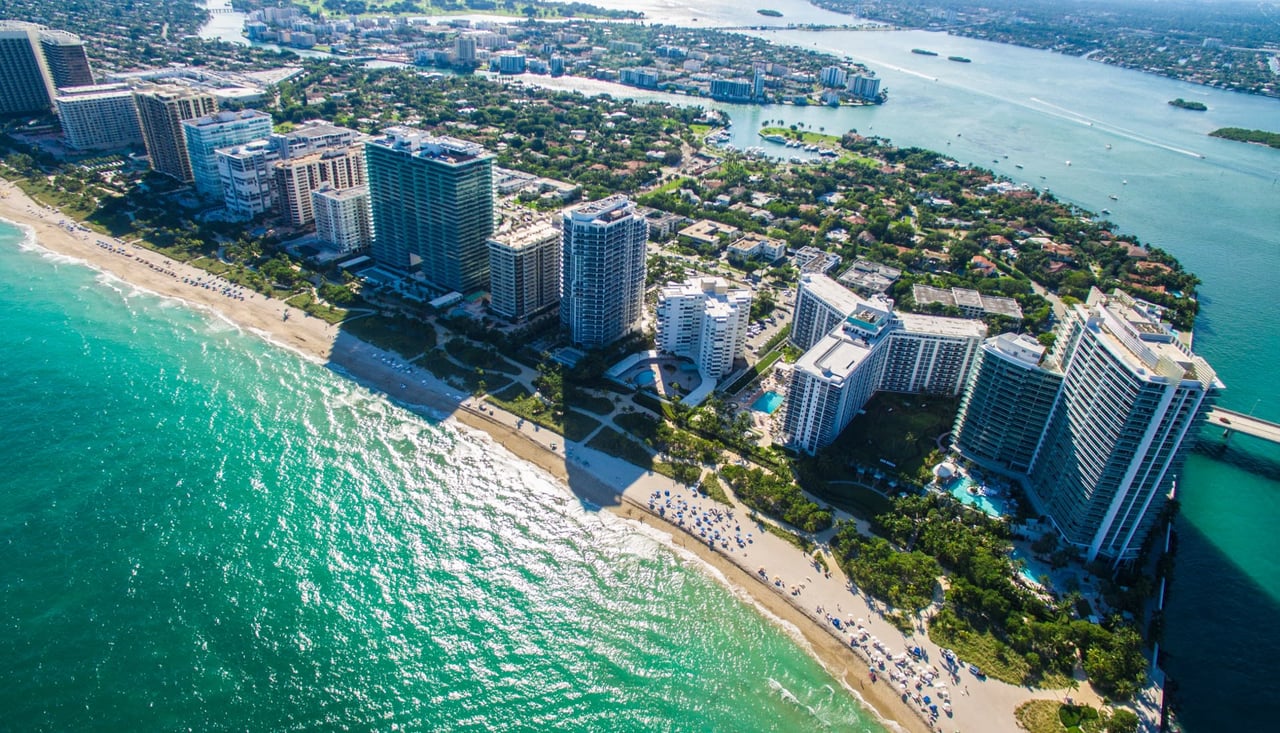
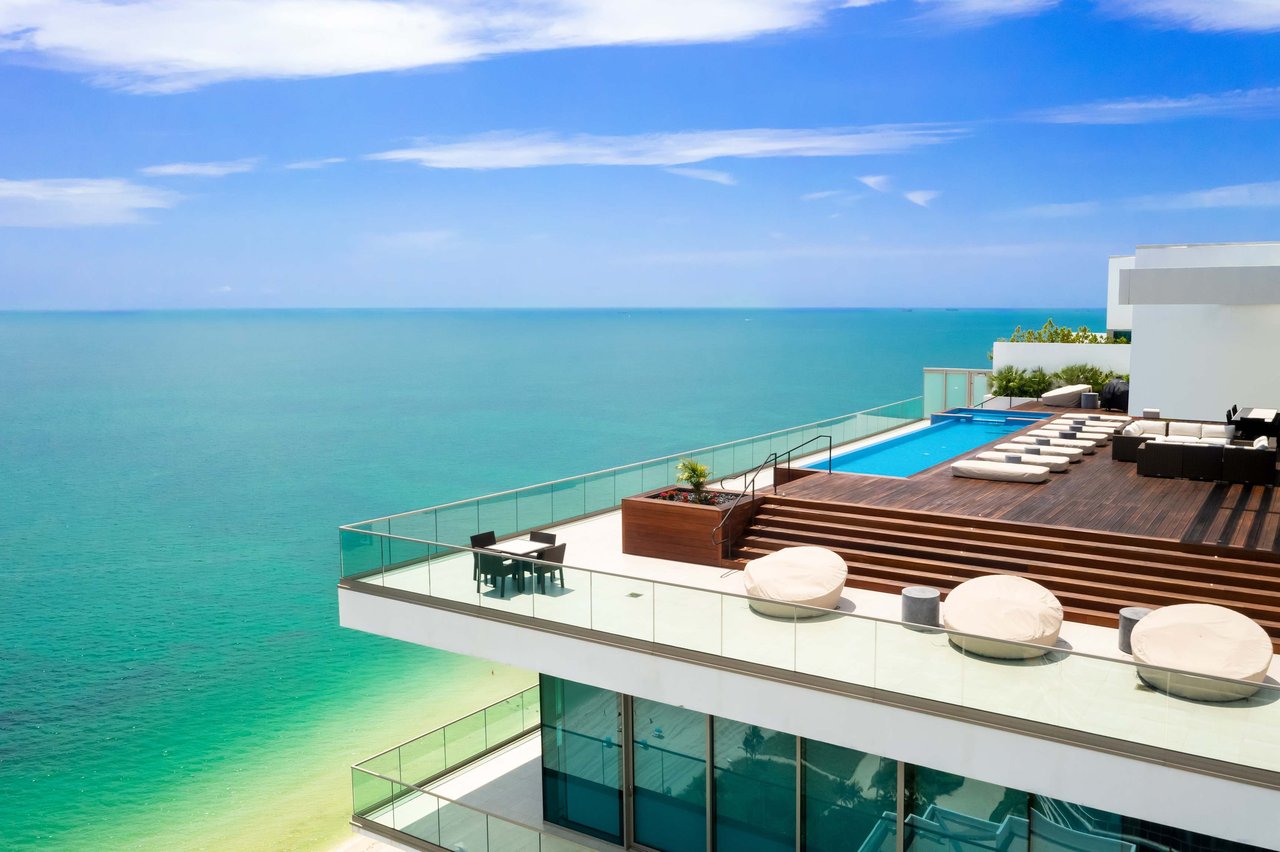
Ask a Downtown Miami resident what's new in the neighborhood and most will point toward the water. Bayfront Park. The fountain show. Maybe the Skyviews wheel across from Bayside Marketplace. That's the version of Downtown that shows up in tourism guides and drone footage, and it's real. It's also not where the actual weekday is happening.
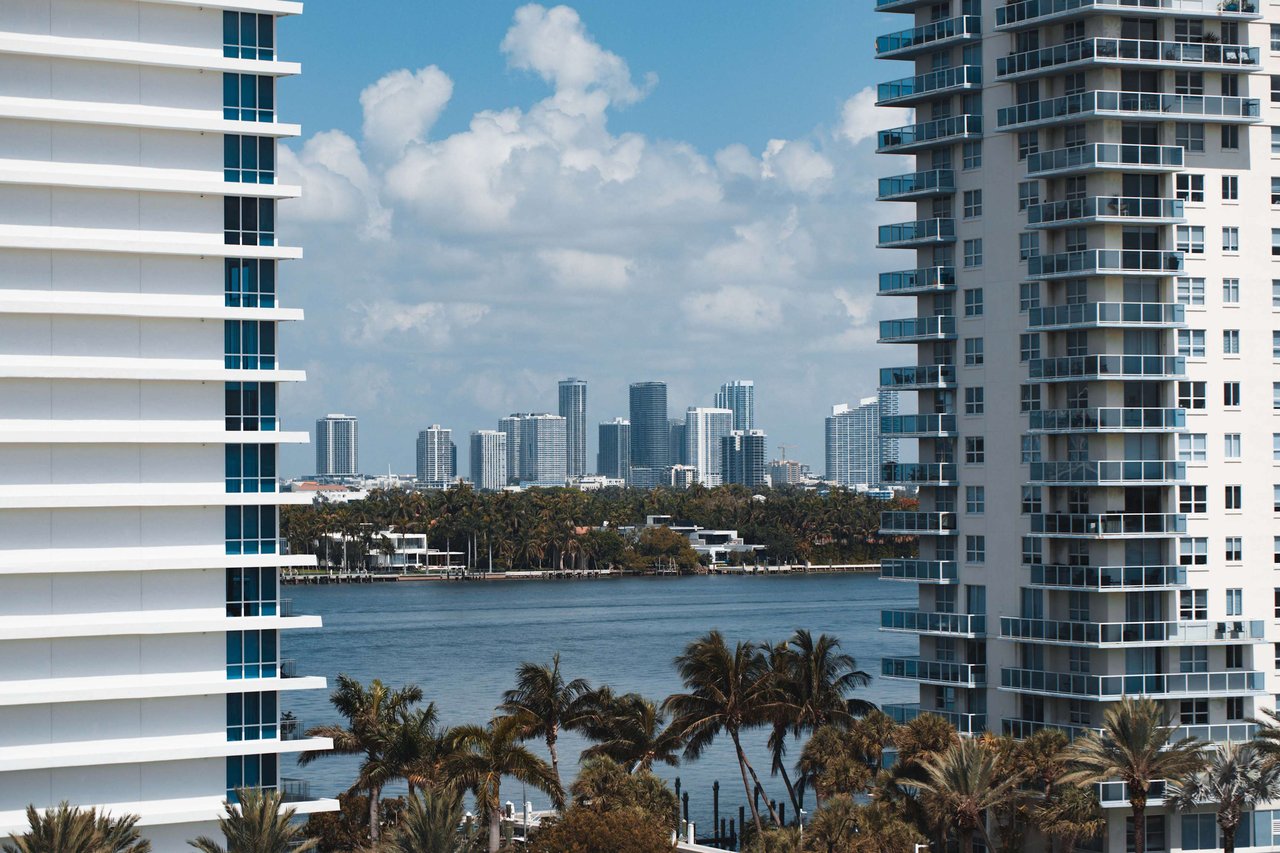
Three streets inland, along South Miami Avenue and the stretch of the Miami River that runs behind the residential towers, a different kind of opening has been landing all year. Smaller footprints. Family-run kitchens. Counters built into the ground floor of buildings people already live in. None of it will show up on a highlight reel of Downtown Miami, and that's exactly the point. It's not built for visitors. It's built for the person who lives on the twentieth floor and needs a coffee before a 9 a.m. call.
The Bay Side Runs On A Calendar
Bayfront Park earns its reputation honestly. The 32-acre park started as Royal Palm Park in 1896, and pieces of it, like the waterfall installed in 1926, have been there long enough to count as civic infrastructure rather than amenity. Isamu Noguchi designed several of its landmarks, including the Challenger Memorial and the Light Tower, and the park still hosts the kind of programming that draws a crowd rather than a habit: Ultra Music Festival every March, a Fourth of July fireworks display over the bay, and choreographed fountain shows set to music and light.
But look closer at what actually recurs. Bayfront Park Management Trust runs free yoga sessions on Mondays and Thursdays, donation-based at fifteen dollars suggested, which is a nice offering but a scheduled one. You show up because it's Monday, not because you were already walking that direction. Everything else on the calendar, from the fireworks to Ultra to the seasonal light shows, is an event you plan around, not a place you drop into twice a week. Bayfront Park is where Downtown Miami goes for an occasion. It was never built to be where Downtown Miami goes for dinner.
What's Actually Opening For A Tuesday Night
The businesses answering that question have been opening quietly, one at a time, inside the residential core along South Miami Avenue and the river.
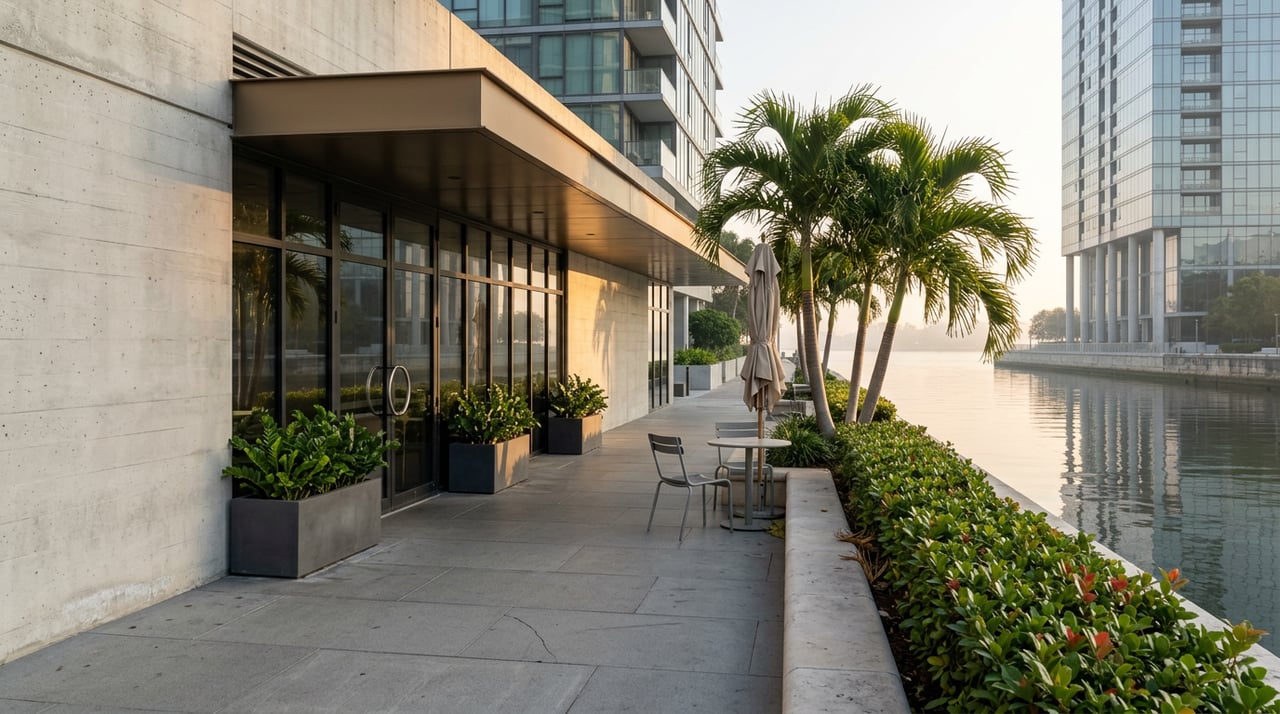
- Chapola Cafe, at 350 S Miami Ave, is a small, family-run coffee counter built into the Wind Tower residential building, inside what's known locally as the Riverfront community, steps from the Miami River just across the Brickell Bridge. Coffee, matcha, pastries. The kind of place you learn about because you live in the building, not because it turned up on a citywide list.
- Elia on the River sits directly on the Miami River and was added to a spring 2026 roundup of the city's best waterfront tables, cited specifically for its sunset views over the water rather than the skyline.
- Blu, the Miami outpost of New Jersey's Blu on the Hudson, is opening a 6,500-square-foot restaurant at River Landing Shops & Residences this fall, with riverfront patio seating, a private mezzanine, and a rooftop bar. It's the kind of scale that signals a group betting on the river corridor as a long-term address, not a pop-up test.
- Giotto Maestro Della Pizza, a family pizzeria that spent a decade building a following on Miami Beach's West Avenue, opened a larger second location in Downtown this July. The original seats 35. The new room seats 55, with the same Neapolitan-style pies, the same lasagna, and the same tiramisu made daily by Silvia Moretti, the family matriarch who has run the kitchen since 2019.
None of these four is trying to be a destination. Chapola doesn't have a marketing budget beyond word of mouth in one building. Giotto's owner told the Miami Herald the goal of the new space was to feel intentionally slower than the neighborhood outside it, not louder. That's a different value proposition than anything happening at Bayside.
The Two Corridors, Side By Side
|
Bay / Boulevard side |
River / South Miami Ave side |
| Signature draw |
Bayfront Park, Skyviews wheel, Bayside Marketplace |
Chapola, Elia on the River, Blu, Giotto |
| Best known for |
Fireworks, Ultra Music Festival, fountain shows |
Coffee counters, family-run kitchens, riverfront patios |
| Visit pattern |
Planned around a date on the calendar |
Built into a daily or weekly routine |
| Scale |
Large public venues, tourist-facing retail |
Small footprints, tucked into residential towers |
The contrast isn't that one side is better. It's that they serve completely different functions, and conflating them is how a resident ends up thinking the neighborhood's food scene stalled out just because nothing new opened at Bayside this year. Nothing needed to. The activity moved a few blocks west.
The One Big Debut Still Faces The Water
There's an exception worth naming, because it complicates the story in a useful way. Cactus Club Cafe, the Vancouver-based restaurant group, announced plans late last year to open its first Florida and U.S. location on the ground floor of the Citigroup Center, with Biscayne Bay views built into the design. It's the single highest-profile restaurant debut on Downtown's radar this year, and it's sitting squarely on the bay side, not the river.
That's not a contradiction of the pattern so much as a confirmation of it. A first-in-market chain debut needs visibility and foot traffic from people who don't already live nearby, which is exactly what the bay side of Downtown provides. The river side doesn't need that kind of exposure. Chapola isn't trying to be discovered by a tourist walking off a cruise ship. It's trying to be the place someone in the Riverfront community swings by before work. Both models make sense. They're just not competing for the same customer.
Why This Matters If You Already Live Here
If your mental map of Downtown Miami still runs primarily along Biscayne Boulevard and Bayside, it's worth redrawing it this fall. The river corridor, from South Miami Avenue down through River Landing, has quietly become the place where a genuine weekday routine is forming: a coffee counter you can walk to from your lobby, a pizzeria with a bigger dining room and the same family running the kitchen, a new riverfront restaurant with a rooftop bar landing before winter.
None of this shows up if you're only checking Bayfront Park's event calendar for what's new. It shows up if you start paying attention to the ground floors of the towers you pass on your way to the water instead of the water itself.
For residents who've been in a Downtown unit for a year or two, that shift is also a reasonable proxy for where the neighborhood's retail energy is actually concentrating, which tends to matter down the road even if you're not thinking about a sale today. A corridor that's attracting family-run, long-term operators rather than one-and-done concepts is usually a corridor with staying power.
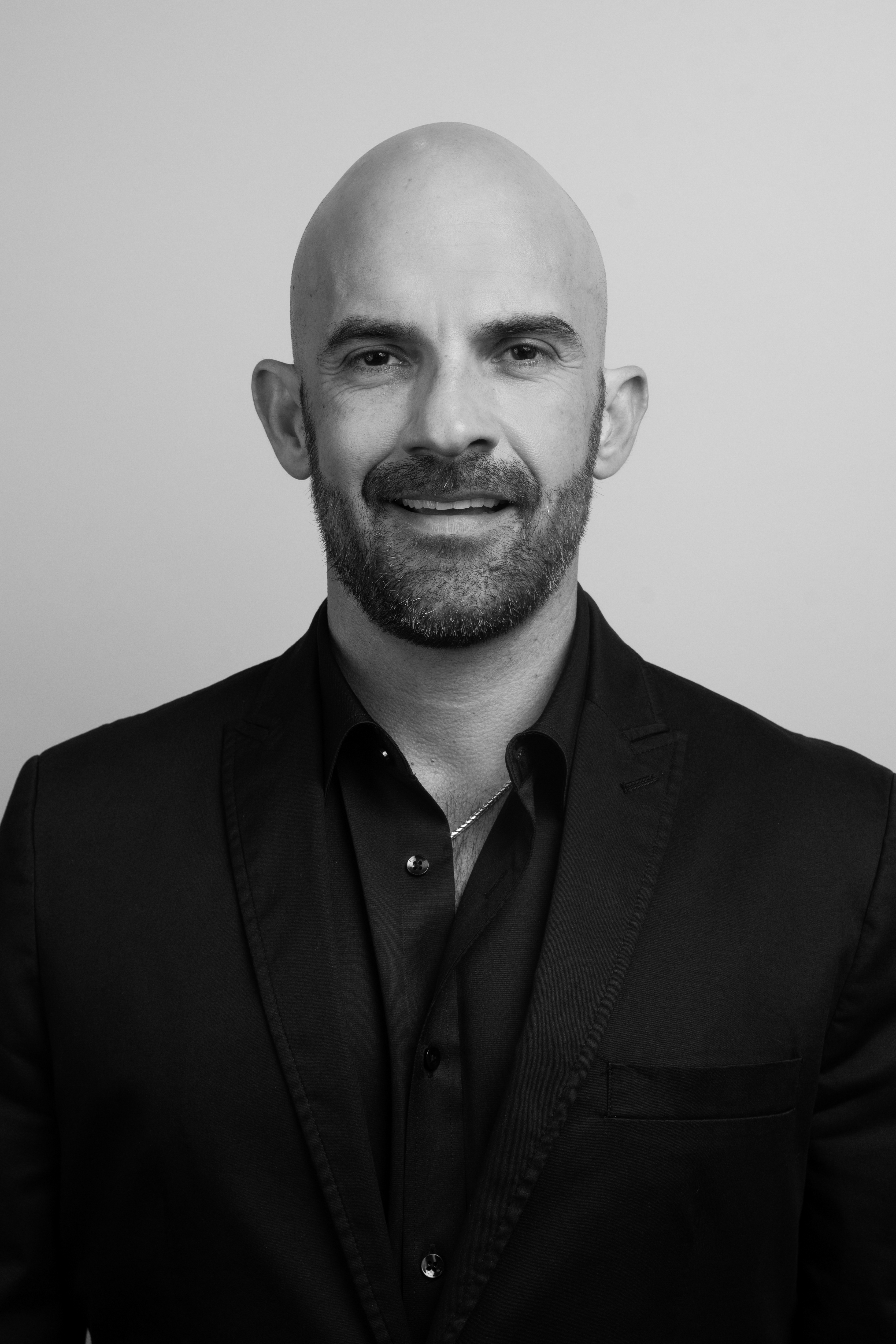
If you're weighing what any of this means for a property you own Downtown, or you're curious how the river corridor's growth compares to what's happening in Brickell, Edgewater, or Coconut Grove right now, Marco Tiné and CASA Collection Group can walk through it with you. Schedule a free consultation and we'll talk through what's actually changing on your block, not just what's on the tourism map.